What Homeopathy Actually Involves
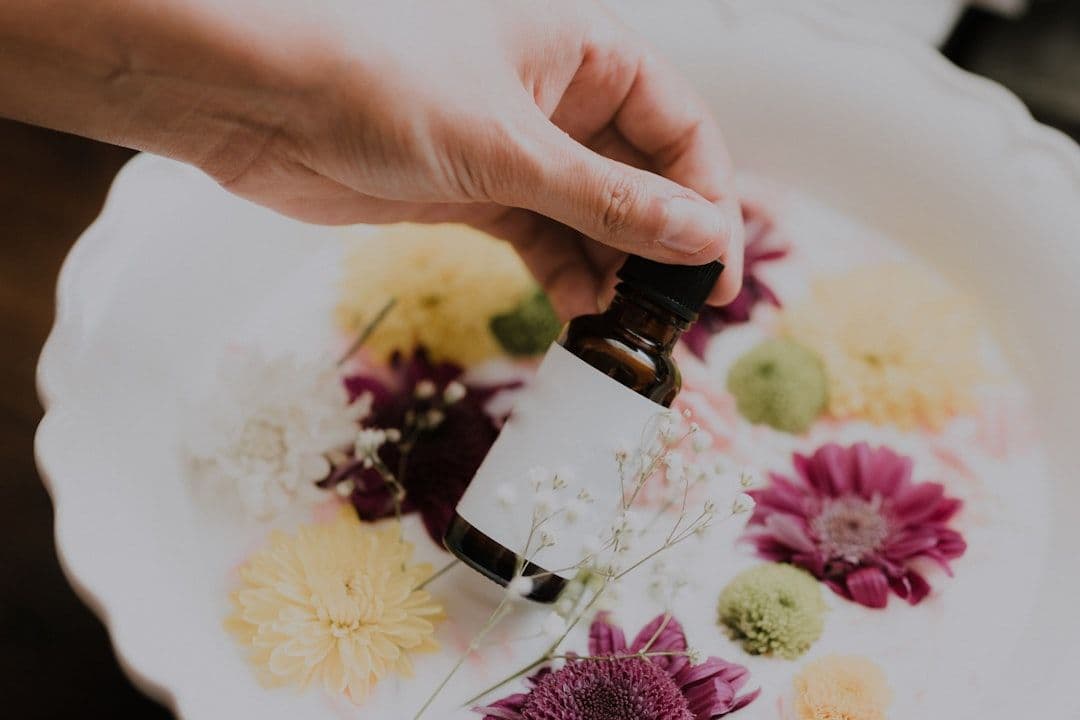
Watch a homeopath prepare a remedy and you'll witness something that defies conventional logic. They take a substance—perhaps bee venom for a patient with burning, stinging pain—and dilute it repeatedly. One part to ninety-nine parts water, shaken vigorously. Then one part of that to ninety-nine parts water again. This process, called succussion, continues until the final preparation contains no measurable trace of the original material.
Yet homeopaths report that these ultra-diluted preparations, administered as small white pillules or liquid drops, produce clinical effects in their patients. The more diluted the remedy, they maintain, the more potent its healing influence. To a biochemist, this appears impossible. To a homeopath, it represents the essence of how gentle medicine can stimulate the body's own healing response.
Homeopathy operates on fundamentally different principles from conventional medicine. Rather than opposing symptoms directly, it seeks to match them. A substance that produces particular symptoms in a healthy person is used, in highly diluted form, to treat similar symptoms in someone who is unwell.
Origins in 18th Century Medical Revolution
German physician Samuel Hahnemann developed homeopathy in 1796, during an era when medical treatments often caused more harm than healing. Bloodletting, purging, and toxic doses of mercury represented standard care. Hahnemann, horrified by these brutal practices, sought a gentler approach.
His breakthrough came while translating a medical text about cinchona bark, used to treat malaria. Intrigued by the author's explanation for why cinchona worked, Hahnemann decided to test it on himself. Taking repeated doses of cinchona while healthy, he developed symptoms remarkably similar to malaria. This led him to formulate the principle of 'similia similibus curentur'—let like cure like.
Homeopathy spread rapidly across Europe and America during the 19th century, establishing hospitals and medical schools. The 1918 flu pandemic brought particular attention when some homeopathic hospitals reported lower mortality rates. However, the rise of scientific medicine and pharmaceutical breakthroughs gradually reduced its mainstream acceptance, though it remained popular in countries like India and Germany.
The Framework of Like Curing Like
Homeopathy rests on three core principles that form its unique medical philosophy. The law of similars suggests that substances causing symptoms in healthy people can treat similar symptoms in the sick. The minimum dose principle holds that the smallest possible amount of medicine produces the greatest healing response. The third principle, individualisation, means that remedies are selected based on each person's complete symptom picture rather than disease diagnosis alone.
Homeopaths explain their system through the concept of 'dynamisation'—the idea that repeated dilution and succussion doesn't weaken remedies but enhances their healing potential by releasing the substance's essential energy pattern. They propose that water retains a memory of dissolved substances even after dilution removes all molecular traces.
From a biomedical perspective, no known mechanism can explain how such extreme dilutions could produce therapeutic effects. The dilutions used in homeopathy often exceed Avogadro's number, meaning the likelihood of even a single molecule of the original substance remaining approaches zero. Critics argue that any reported benefits reflect placebo effects, spontaneous recovery, or the therapeutic value of extended consultations with caring practitioners.
Who Seeks Homeopathic Care
People typically turn to homeopathy for several distinct reasons. Those with chronic conditions like eczema, asthma, or recurrent infections often seek alternatives when conventional treatments provide incomplete relief or unwanted side effects. Parents frequently choose homeopathy for childhood ailments, drawn to its gentle reputation and natural origins.
Homeopathy also attracts individuals experiencing emotional difficulties—anxiety, depression following life changes, or sleep disturbances. The detailed consultation process, where practitioners explore physical symptoms alongside emotional patterns and personality traits, appeals to those feeling unheard by time-pressed conventional consultations.
Some people use homeopathy preventatively, taking constitutional remedies selected to match their overall health pattern and temperament. Others seek acute remedies for specific situations: arnica before dental work, ignatia for grief, or nux vomica after overindulgence.
What to Expect During Treatment
A first homeopathic consultation typically lasts 90 minutes—significantly longer than most medical appointments. Your practitioner will ask detailed questions about your current symptoms, but also your medical history, family patterns, food preferences, sleep habits, and emotional responses to stress.
Expect unusual questions: Do you prefer hot or cold weather? How do you handle criticism? What time of day do you feel worst? These details help the practitioner build your constitutional picture—the unique pattern of how symptoms manifest in your particular body and mind.
After this detailed case-taking, the practitioner selects a remedy, usually given as small white pillules to dissolve under your tongue. You might take these once daily, several times daily, or just once depending on your condition and the remedy strength. Follow-up appointments, typically 4-6 weeks later, last about 30 minutes and focus on how you've responded.
Some people report feeling different within hours or days, while others notice changes over several weeks. Practitioners may adjust remedies based on your response, sometimes prescribing different potencies or switching to new remedies as your symptoms evolve.
The Evidence Landscape
The research picture for homeopathy presents significant challenges. Most systematic reviews and meta-analyses conclude that homeopathic remedies perform no better than placebo when subjected to rigorous clinical trials. The British Medical Journal and major medical bodies maintain that any apparent benefits likely reflect bias, poor study design, or natural recovery processes.
However, some studies do suggest potential benefits for specific conditions. Research on homeopathic treatment for allergic rhinitis has shown some promising results, though study quality varies considerably. Smaller trials have suggested benefits for conditions like fibromyalgia and childhood diarrhea, but these findings require replication in larger, well-designed studies.
What creates complexity is the gap between research findings and clinical reports. Many practitioners describe positive outcomes in their patients, particularly for chronic conditions where conventional options are limited. Patient surveys consistently show high satisfaction rates with homeopathic care, though this could reflect the therapeutic value of extended consultations rather than specific remedy effects.
The individualized nature of homeopathic prescribing also creates research challenges. Traditional clinical trials test single remedies against specific conditions, while homeopaths typically prescribe different remedies for different patients with the same diagnosis, making standardized trials difficult to design.
Finding a Qualified Practitioner
In the UK, look for practitioners registered with professional bodies like the Society of Homeopaths or the Faculty of Homeopathy. The latter organization trains medical professionals—doctors, nurses, pharmacists—in homeopathic medicine, while the former represents professional homeopaths from diverse backgrounds.
Expect to pay $50-80 for initial consultations and $35-60 for follow-ups in most areas, with London practitioners typically charging more. Some practitioners offer sliding scales or reduced rates for students and those experiencing financial hardship. Treatment courses vary considerably—some people have just a few appointments while others maintain long-term relationships with their practitioners.
Consider what type of practitioner suits your needs. Medical doctors who practice homeopathy can integrate it with conventional care and prescribe orthodox medications when needed. Non-medical homeopaths often spend more time on lifestyle and emotional factors but cannot prescribe conventional medicines or order medical investigations.
Many practitioners now offer online consultations, which can work well for follow-up appointments though most prefer to meet new patients face-to-face for the detailed initial assessment that homeopathic prescribing requires.