Preparing for Your Consultation
Book your appointment at a time when you can remain unhurried afterwards. Many practitioners prefer morning sessions, as they align with Islamic traditions around seeking healing after dawn prayers.
Come wearing modest, comfortable clothing that allows for pulse-taking and, if required, cupping therapy. Bring a comprehensive list of any medications, supplements, or treatments you're currently using. Your practitioner will need to understand how these might interact with prescribed herbs.
Avoid heavy meals for two hours before your session, but don't arrive hungry. Some practitioners may ask you to perform ritual purification (wudu) before beginning, so arrive with enough time for this if requested. If you're not Muslim, your practitioner will explain any spiritual elements and adapt the session accordingly.
The Consultation Process
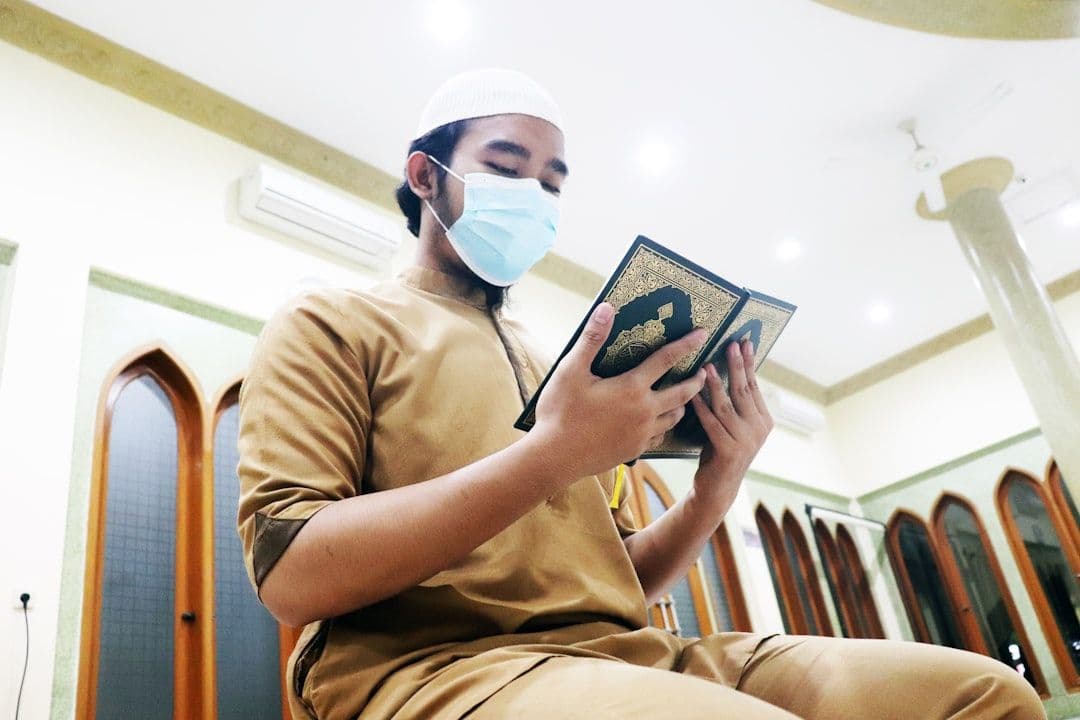
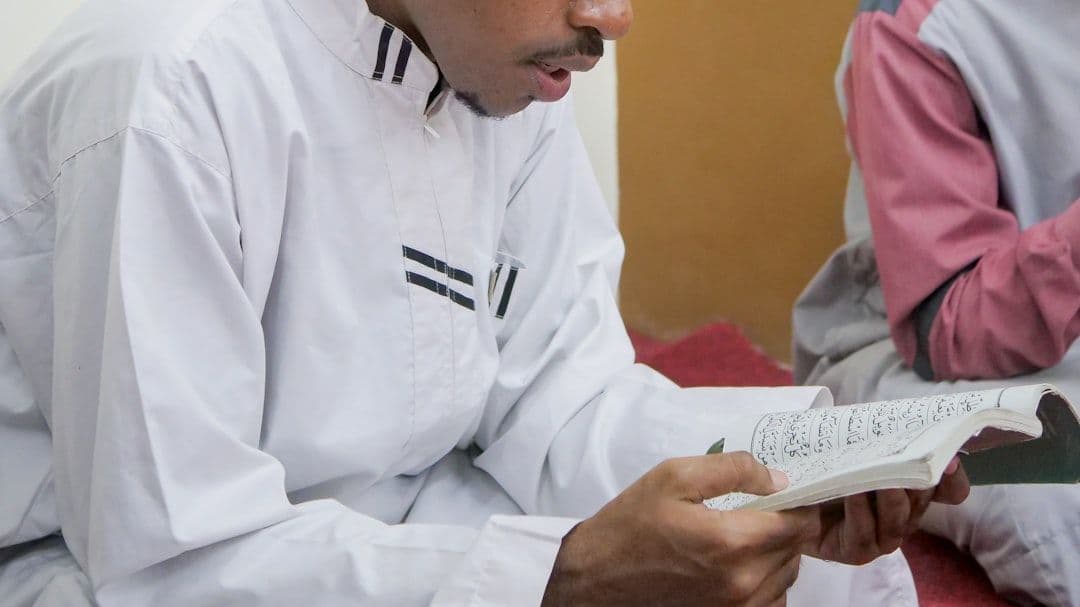
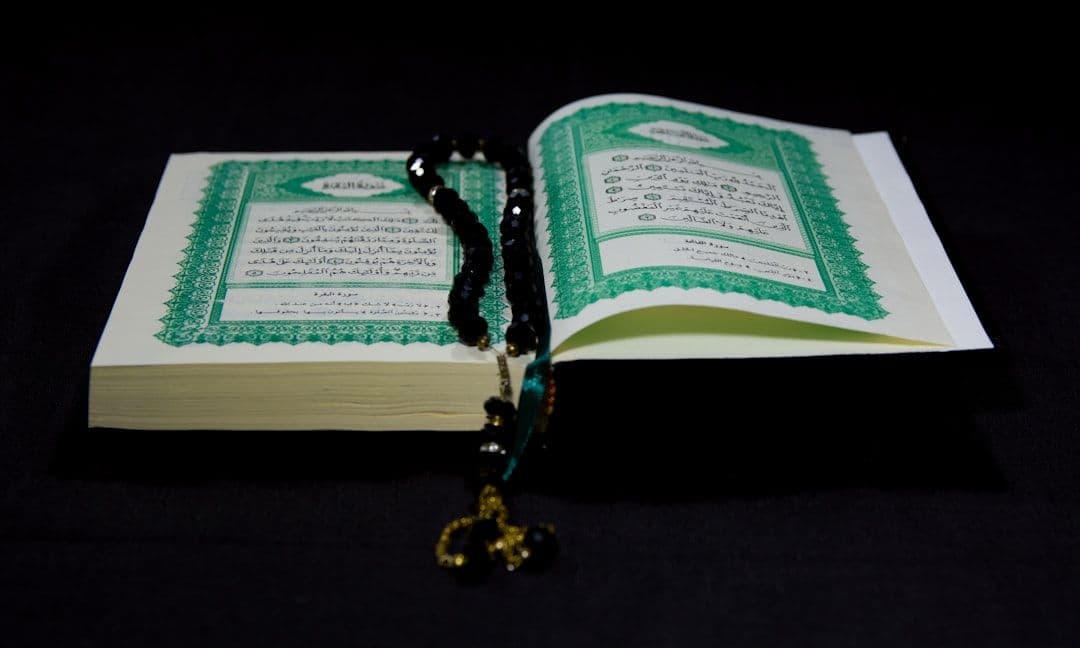
Your session will typically begin with the practitioner offering a brief prayer or reciting verses from the Quran. This spiritual opening acknowledges healing as coming from Allah and sets the intention for your consultation.
The assessment phase usually lasts 30-45 minutes. Your practitioner will take a detailed history that encompasses physical symptoms, emotional state, spiritual practices, and lifestyle factors. Expect questions about your prayer routine, dietary habits, sleep patterns, and stress levels. This holistic view reflects Islamic medicine's understanding that health involves harmony between body, mind, and soul.
Physical examination follows traditional methods. Your practitioner will likely check your pulse at multiple points on your wrist, examining not just rate but also quality and rhythm. They may inspect your tongue, eyes, and skin, and palpate areas of concern. Some practitioners incorporate elements from Unani or Ayurvedic traditions that became integrated into Islamic medical practice over centuries.
The treatment phase involves discussing your customised healing plan. This typically includes specific herbal remedies — often those mentioned in the Quran or Prophetic traditions, such as black seed (habba sawda), honey, or dates. Your practitioner may also recommend cupping therapy, dietary modifications according to Islamic principles, or specific prayers and Quranic recitations for healing.
During and After the Session
Many people report feeling deeply relaxed during the consultation, particularly during the spiritual elements. The combination of focused attention, prayer, and discussion of personal concerns often creates a sense of being truly heard and cared for.
If cupping is performed during your session, you'll experience a pulling sensation on your skin as the cups create suction. This may feel unusual initially but typically becomes comfortable. Afterwards, you might notice circular marks on your skin that fade over several days.
Emotionally, sessions often bring feelings of hope and spiritual connection. The integration of faith with healing can be profoundly comforting, especially for Muslims who have felt their spiritual needs overlooked in conventional healthcare settings.
In the hours following your session, you may feel tired — this is normal as your body begins responding to new herbal medicines. Some people experience mild digestive changes as they adapt to dietary modifications. Headaches or slight emotional fluctuations can occur as part of what practitioners describe as the body rebalancing itself.
Aftercare and Ongoing Practice
Follow your prescribed herbal regimen precisely, taking remedies at the recommended times. Many Islamic herbs work best when taken with specific foods or at particular times relative to prayer schedules. Your practitioner will provide detailed instructions about preparation and dosing.
Incorporate the recommended dietary changes gradually. Islamic nutritional principles emphasise moderation, consuming only halal foods, and following the Prophet's guidance about eating habits. You might be advised to avoid certain food combinations or eat specific foods at particular times.
Maintain the spiritual practices your practitioner recommended. This might include reciting specific Quranic verses, particular prayers for healing, or adjustments to your daily worship routine. These practices support the physical treatments rather than replacing medical intervention.
Notice improvements over weeks rather than days. Islamic medicine typically works gradually, supporting your body's natural healing processes rather than providing immediate symptom relief. Keep a simple diary of your energy levels, sleep quality, and any symptom changes.
Treatment Duration and Follow-up
Most practitioners recommend an initial course of 4-6 weekly sessions to establish your baseline and adjust treatments as needed. This allows time for herbal medicines to take effect and for you to adapt to lifestyle recommendations.
Chronic conditions often require longer treatment periods — sometimes 3-6 months of regular sessions combined with consistent self-care practices. Your practitioner will adjust herbal formulations based on your progress and seasonal changes, which Islamic medicine considers important factors in health.
Maintenance sessions might continue monthly or seasonally, depending on your condition and goals. Many people find that the spiritual and lifestyle elements become integrated into their daily routine, reducing the need for frequent consultations while maintaining the benefits of this traditional healing approach.