What it is
A 1,400-year tradition blending herbs, diet, and spiritual care for whole-person wellness.
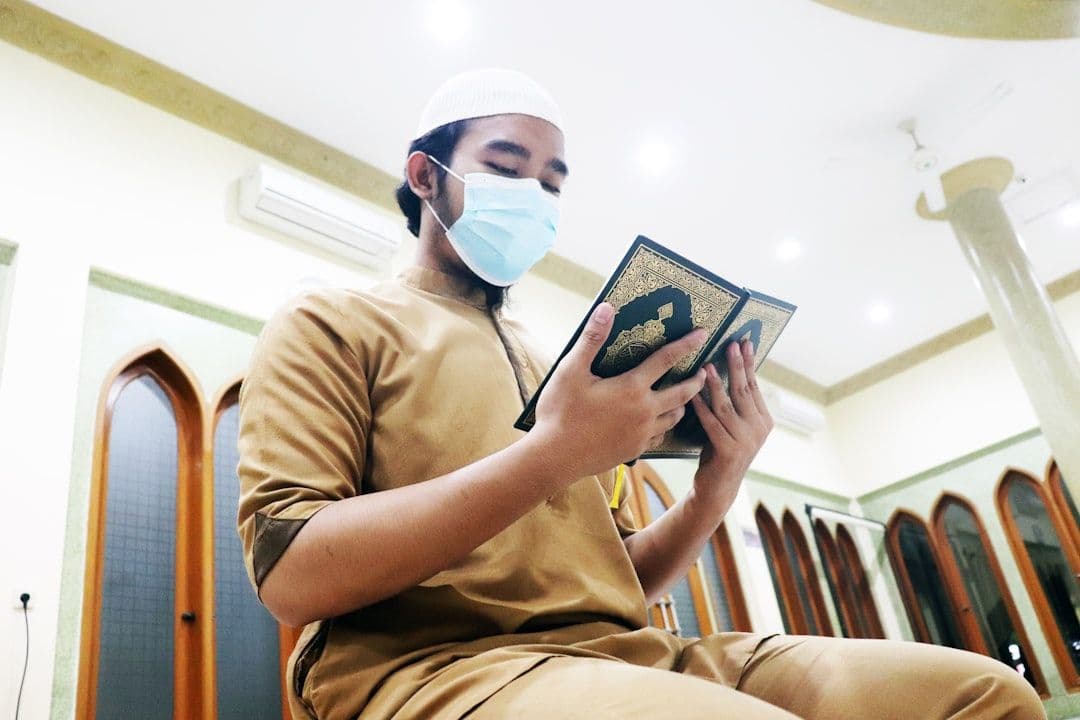
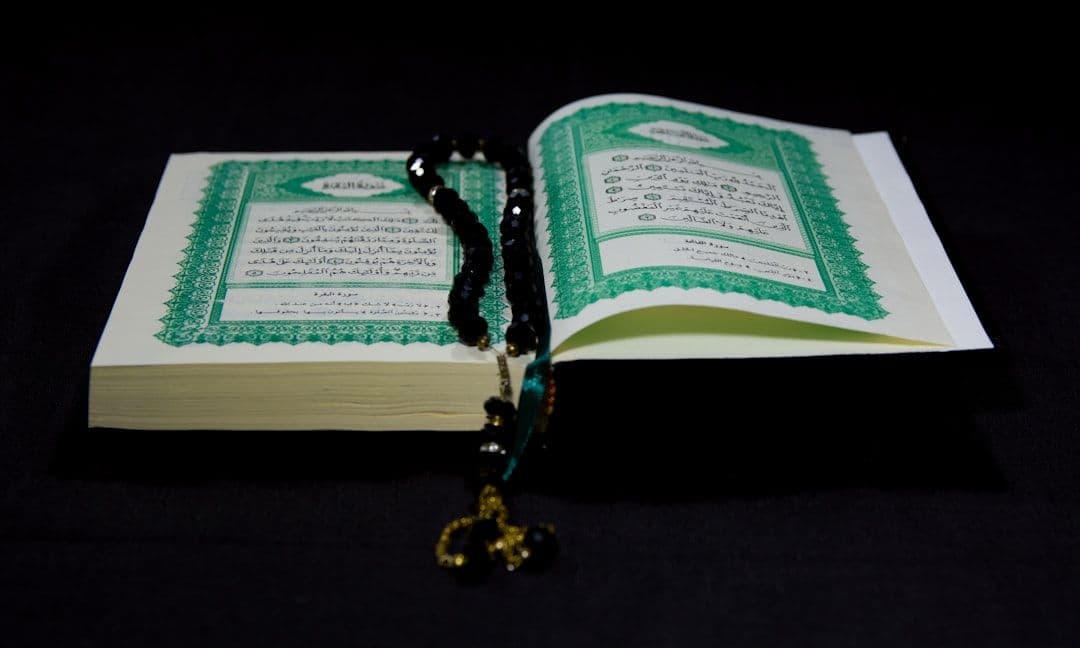
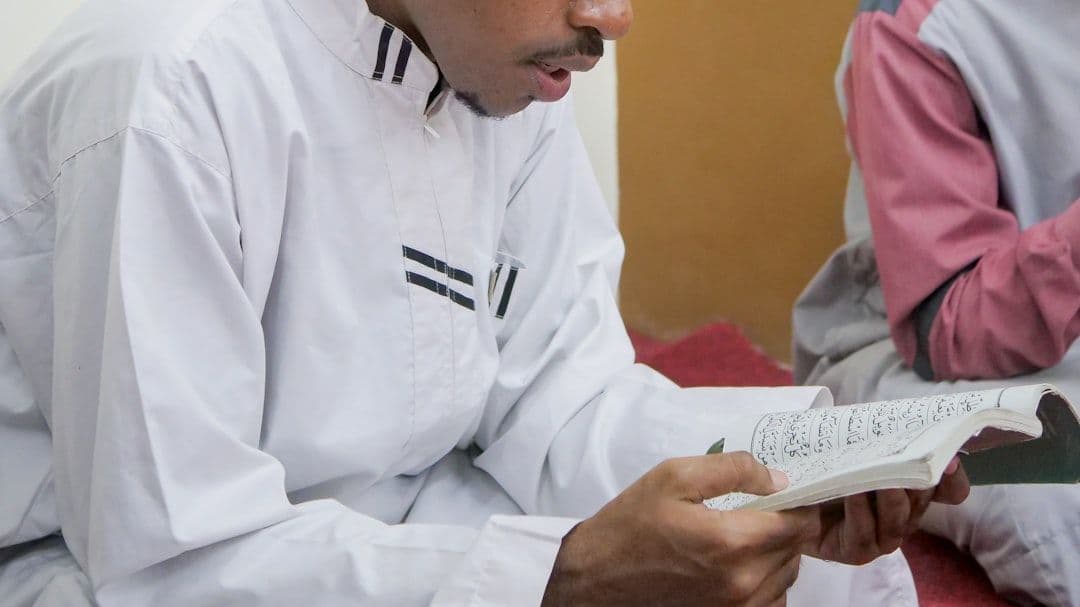
Islamic Medicine is a traditional healing system rooted in Islamic teachings and practices that integrates herbal remedies, dietary guida...
At a glance
What it is
A 1,400-year tradition blending herbs, diet, and spiritual care for whole-person wellness.
Why explore it
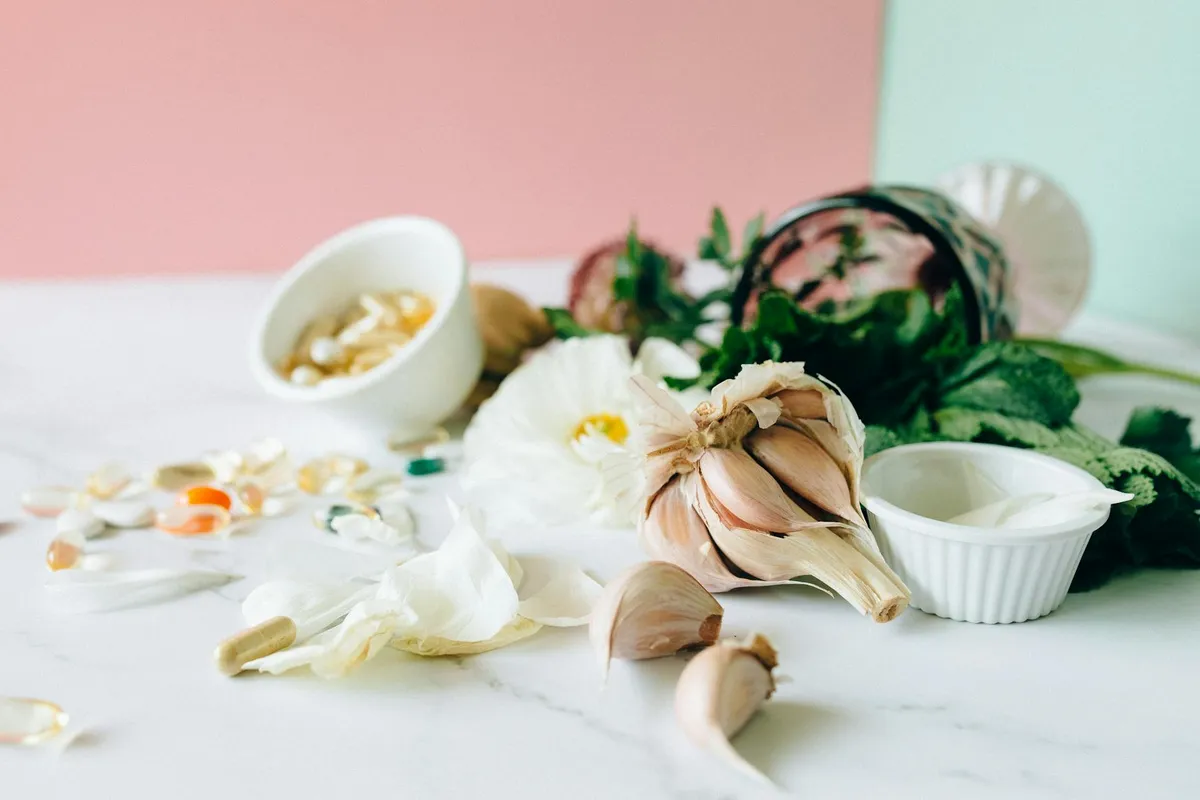
Classical herbs like black seed may support digestion, calm, and immunity through time-honored wisdom.
How it’s experienced
A practitioner reviews your lifestyle and offers herbal, dietary, and spiritually grounded guidance.
Evidence context
Deeply rooted in classical texts, though modern clinical research on its practices remains limited.
See the evidence snapshotSafety
Low-risk with a skilled practitioner, but share all medications and check with your doctor if pregnant or ill.
See staying safeHistory & Origin
Islamic Medicine encompasses traditional healing practices rooted in Islamic principles and teachings.
Islamic Medicine emerged in the 7th century CE following the advent of Islam, drawing from pre-Islamic Arabian healing traditions, Greek and Persian medical knowledge, and Islamic religious principles. The Prophet Muhammad is recorded in Islamic texts as having encouraged health-seeking behavior and provided guidance on preventive health practices, dietary habits, and the use of natural remedies. This foundation led to the development of a comprehensive medical system that balanced spiritual, mental, and physical aspects of health.
During the Islamic Golden Age (8th-14th centuries), scholars like Al-Razi, Ibn Sina (Avicenna), and Al-Ghazali systematized Islamic medical knowledge, creating detailed medical texts such as the Canon of Medicine. These works synthesized Greek classical medicine with Islamic teachings and original observations, establishing hospitals, medical schools, and pharmacies throughout the Islamic world. Islamic physicians made significant advances in pharmacology, surgery, and the understanding of disease transmission.
Key figures like Ibn Sina and Al-Razi documented hundreds of herbs, minerals, and dietary principles aligned with Islamic teachings on health. Islamic Medicine emphasized prevention through lifestyle modifications, the importance of clean water and hygiene, balanced nutrition, and spiritual practices such as prayer and supplication. This holistic approach became deeply embedded in Muslim cultures across the Middle East, North Africa, South Asia, and beyond.
Today, Islamic Medicine continues as a traditional healing practice, with renewed interest in its principles among practitioners and patients seeking integrative health approaches that honor both spiritual and physical dimensions of wellness. Many of its foundational concepts, such as the importance of hygiene and balanced diet, align with modern preventive health principles.
Mechanism
Islamic medicine is a broader health tradition or knowledge system rather than a single technique. Practitioners may draw on cultural teachings, observation, lifestyle guidance, ritual, remedies, bodywork, or community practice. Its working model should be described in its own traditional context and not overstated as biomedical proof. People may explore it for cultural continuity, reflection, and supportive wellbeing practices. Islamic Medicine integrates theological principles with empirical healing practices, drawing on the Prophet Muhammad's teachings, Greek and Persian medical texts, and Arabian herbalism to address illness as imbalance across physical, mental, and spiritual domains.
Your first visit
A typical session outline to help you feel prepared
A session blends spiritual grounding with hands-on care, drawing on centuries of Islamic healing wisdom to support your whole self — body, mind, and soul.
Your session opens with a warm greeting and a brief invocation of blessings, setting a spiritually grounded tone before anything else begins.
Your practitioner asks about your physical symptoms, emotional state, sleep, diet, and spiritual practices like prayer and fasting, since all are seen as connected to your wellbeing.
Drawing on Tibb al-Nabawi tradition, your practitioner may assess your pulse, tongue, and complexion to understand your temperament and the state of your body's balance.
Based on the assessment, your practitioner recommends a tailored plan that may include black seed, honey, herbs, or dietary changes aligned with Prophetic guidance.
If hijama cupping is part of your plan, your practitioner explains the process, obtains your consent, and uses sterile single-use equipment on specific points of the body.
You may receive recommendations for specific du'a, Quranic recitations, or adjustments to your prayer routine as supportive elements of your healing plan.
Your session closes with a blessing, and you leave with clear written instructions covering remedies, diet, rest, and when to schedule your follow-up visit.
The Evidence
What research and tradition tell us about Islamic Medicine, and where the evidence is strong, limited, or still developing.
Centuries of documented practice; modern clinical evidence is still developing
Islamic Medicine has a rich historical and scholarly foundation, with some individual components — such as black seed — showing promising results in modern studies. Comprehensive clinical trials evaluating the system as a whole remain limited.
Individual herbs used in Islamic Medicine, particularly nigella sativa (black seed), have shown anti-inflammatory and antioxidant properties in peer-reviewed studies. However, rigorous clinical trials evaluating Islamic Medicine as a complete, integrated system are scarce. Current evidence supports cautious interest rather than definitive conclusions.
Rooted in Prophetic teachings and expanded during the Islamic Golden Age by scholars such as Ibn Sina, this system synthesised Greek, Persian, and Arabian knowledge into a structured approach to health. Its historical depth and internal consistency are significant, even where modern clinical validation is still catching up.
Islamic Medicine tailors care to each person's constitution, circumstances, and spiritual context. This individualisation — expressed through the Tibb framework and the concept of mizaj (individual temperament) — makes standardised randomised controlled trials methodologically challenging. Evidence gaps reflect the difficulty of mapping a temperament-based system onto trial designs built for uniform interventions.
Inform both your Islamic Medicine practitioner and your prescribing doctor of all medications and supplements you use. Some herbs, including nigella sativa, may affect how certain medications work. Pregnant or nursing individuals should seek guidance before using herbal remedies. Islamic Medicine is best used alongside, not instead of, necessary professional care.
Licensing standards vary by region. Tibb and Unani training programmes exist in countries including Pakistan, South Africa, and Malaysia, and some Gulf states recognise formal Tibb qualifications. Look for someone with grounding in both the traditional scholarly framework and basic health sciences, who liaises openly with your other providers and does not discourage professional assessment.
This system views health as balance across body, mind, and spirit, with lifestyle, diet, and faith all considered relevant to wellbeing. For people whose values align with this framework, it may offer a meaningful and culturally resonant approach to health — particularly for prevention and general wellness support.
Safety first
General guidance to help you decide whether this approach is appropriate for you. This is informational only and not a substitute for medical, psychological, or professional advice.
If you are pregnant, managing a health condition, recovering from injury or surgery, or taking medication, consult a qualified healthcare professional first.
Some situations call for extra care or a different approach. Share any conditions, injuries, or sensitivities with your practitioner before your first session.
Look for clear boundaries, transparent pricing, and practitioners who avoid fear-based claims or pressure to book frequent sessions.
Mild, short-lived effects such as tenderness, tiredness, or temporary soreness can occur. Rest, hydrate, and tell your practitioner how you respond.
For you?
A simple, human way to weigh it up. This is general guidance, not personal medical advice — a qualified practitioner can advise on your situation.
Gyfts is a discovery platform, not a medical provider. Nothing here diagnoses, treats or replaces professional care. In an emergency, contact your local emergency number.
Explore approaches
Other practices people often explore alongside islamic medicine.
In their words
FAQ
While Islamic Medicine shares some similarities with other traditional systems—such as a holistic approach and use of herbs—it is distinct. Islamic Medicine is specifically rooted in Islamic teachings, principles from the Quran and Hadith (Prophet's traditions), and the medical knowledge developed by Islamic scholars. However, there is some historical overlap, as Islamic physicians integrated Greek and Persian medical knowledge into their practice.
Yes, many people integrate Islamic Medicine with conventional medical care. However, it's essential to inform both your conventional doctor and your Islamic Medicine practitioner about all treatments you're using. Some herbal remedies can interact with medications, so professional coordination is important. Islamic Medicine is generally viewed as complementary to, not a replacement for, necessary medical treatment.
Results vary depending on your condition and how consistently you follow recommendations. Some people notice improvements in energy, sleep, or digestion within days or weeks. For chronic conditions, it may take several weeks or months of consistent practice to see significant changes. Your practitioner will discuss realistic timelines during your consultation.
Generally, herbal remedies used in Islamic Medicine have been safely used for centuries. However, safety depends on proper identification, dosage, and individual factors like allergies and medications. Always source herbs from reputable practitioners, inform your provider of any medications you take, and discontinue use if you experience adverse reactions. Pregnant women and those with certain health conditions should consult their doctor first.
Ideally, practitioners should have studied Islamic medical texts and traditional healing practices, understand modern health and safety standards, and be able to explain the reasoning behind their recommendations. Some practitioners have formal training from Islamic medicine institutes or apprenticeships. Ask about their background, experience, and approach to integrating Islamic Medicine with conventional care.
While Islamic Medicine is rooted in Islamic teachings, its principles and practices can benefit anyone interested in traditional, holistic healing. Non-Muslims can benefit from the herbal remedies, dietary guidance, and wellness practices without necessarily engaging with the spiritual components, though many find the integration of spirituality helpful regardless of their faith background.
References
Educational sources that inform this overview. Inclusion is for context and does not imply endorsement.
Full citations are maintained by the Gyfts editorial team and reviewed periodically.
Keep exploring
Browse practitioners, explore honest overviews, and take what you learn to a conversation — at your own pace.