A Practice That Pulses with Purpose
Step into a Jivamukti class and you enter a world where ancient Sanskrit verses flow over contemporary beats, where sweat mingles with spiritual inquiry, and where the yoga mat becomes a laboratory for both physical transformation and ethical awakening. This isn't simply exercise set to music — it's a comprehensive practice that treats your body as one element in a larger philosophical framework.
Jivamukti practitioners move through challenging sequences whilst chanting mantras, study yogic texts alongside perfecting arm balances, and explore questions of compassion and liberation as integral to their physical development. The approach recognises no separation between building strength and building character, between flexibility of body and flexibility of mind.
Born in New York, Rooted in Ancient Tradition
Sharon Gannon and David Life founded Jivamukti Yoga in 1984 in New York City, drawing from their studies with traditional teachers in India whilst creating something distinctly contemporary. They synthesised classical Hatha and Ashtanga practices with Bhakti (devotional) elements, weaving together chanting, philosophy study, and ethical principles into a cohesive method.
The name itself — Jivamukti — means 'liberation whilst living', reflecting the founders' conviction that spiritual awakening needn't require withdrawal from the world. Instead, it emerges through engaged practice that includes activism, veganism, and conscious relationship with all beings. This integration of ancient wisdom with modern social consciousness has attracted practitioners seeking both physical challenge and meaningful purpose.
Five Pillars Supporting One Practice
Jivamukti rests on five foundational elements that work in concert. Physical postures (asanas) flow in dynamic sequences, often challenging and heat-building, designed to purify the body whilst developing concentration. Breath control (pranayama) synchronises with movement, creating a meditative rhythm that anchors awareness in the present moment.
Sanskrit chanting permeates classes — not as exotic decoration but as vibrational practice understood to affect consciousness directly. Students learn mantras, study yogic texts, and engage with ethical principles (yamas and niyamas) that extend practice beyond the mat into daily life. Meditation weaves through all elements, cultivated through movement, breath, sound, and philosophical inquiry.
From a physiological perspective, the vigorous sequences improve cardiovascular fitness, muscular strength, and flexibility whilst the breath work activates the parasympathetic nervous system. The multi-sensory environment — movement, music, chanting — may enhance focus and create states similar to those achieved in traditional meditation practices.
Who Finds Their Way Here
Jivamukti particularly resonates with practitioners who feel drawn to yoga's deeper dimensions beyond physical exercise. Those with established asana practices often appreciate the challenging sequences and philosophical depth, finding that the integration of ethics and spirituality gives their practice greater meaning and direction.
Individuals interested in social justice and environmental activism often connect with Jivamukti's emphasis on compassionate living. The method's explicit connection between personal practice and global responsibility appeals to those seeking alignment between their values and their physical practice.
People comfortable with spiritual language and ritual elements typically find the Sanskrit chanting and devotional aspects enriching rather than foreign. However, those preferring purely physical or secular approaches to yoga may find the philosophical intensity overwhelming.
Inside a Jivamukti Class
Classes begin with a focus of the month — philosophical themes explored through readings, chants, and teachings. You might find yourself learning about ahimsa (non-violence) whilst warming up with sun salutations, or exploring the concept of dharma as you move through challenging standing sequences.
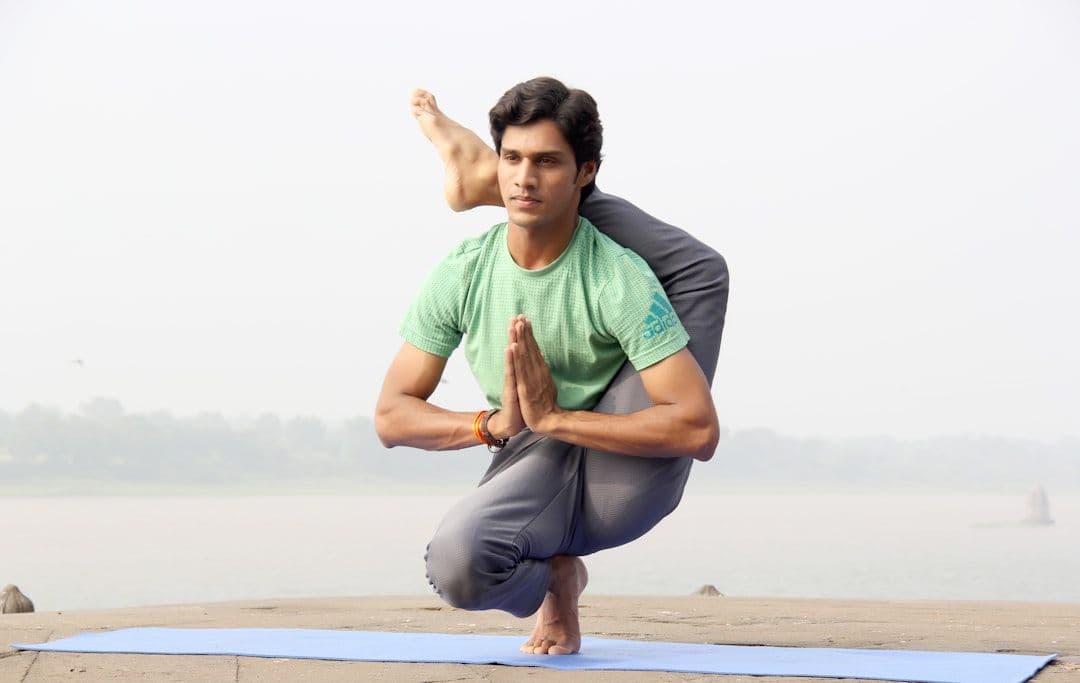
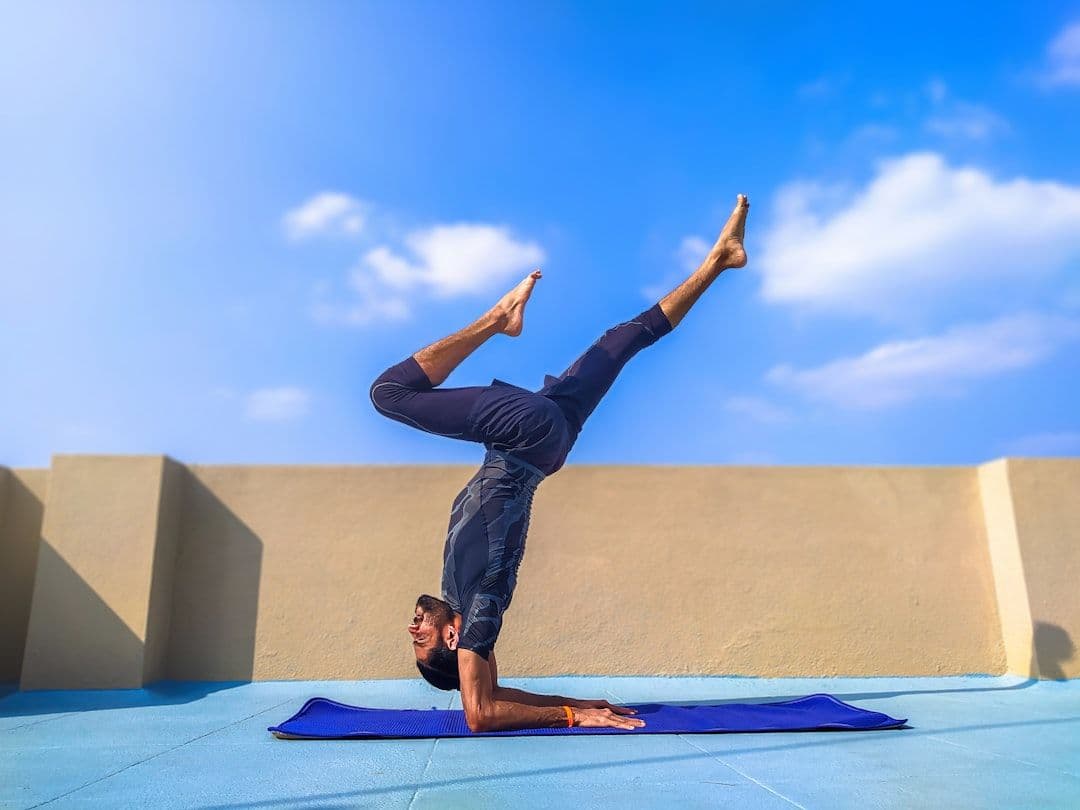
The physical practice builds systematically: dynamic flowing sequences that may include arm balances, backbends, and inversions, all linked with breath. Sanskrit mantras accompany movement — not background music but integral practice elements. Teachers guide both physical alignment and philosophical reflection, often reading poetry or spiritual texts during deeper poses.
Classes conclude with extended relaxation and meditation, integrating the physical, energetic, and philosophical elements explored. Students often report feeling simultaneously challenged and nourished, physically tired yet mentally clarified.
Finding Qualified Teachers
Authentic Jivamukti teachers complete comprehensive certification programmes that include anatomy, philosophy, Sanskrit, and teaching methodology. Look for instructors certified directly through the Jivamukti School, which maintains teaching standards and continuing education requirements.
Classes typically cost £15-30 per session in the UK, with monthly unlimited packages ranging from £80-150. Many studios offer newcomer packages or work-study opportunities. The practice demands regular commitment — most practitioners attend 2-3 classes weekly to develop both physical competency and philosophical understanding.
When selecting a teacher, consider your comfort level with spiritual elements and Sanskrit. Experienced Jivamukti instructors skilfully balance physical challenge with philosophical depth, creating inclusive environments for students regardless of their spiritual background whilst maintaining the integrity of the traditional teachings.