What it is
Jivamukti blends flowing vinyasa, breathwork, meditation, and Sanskrit philosophy.
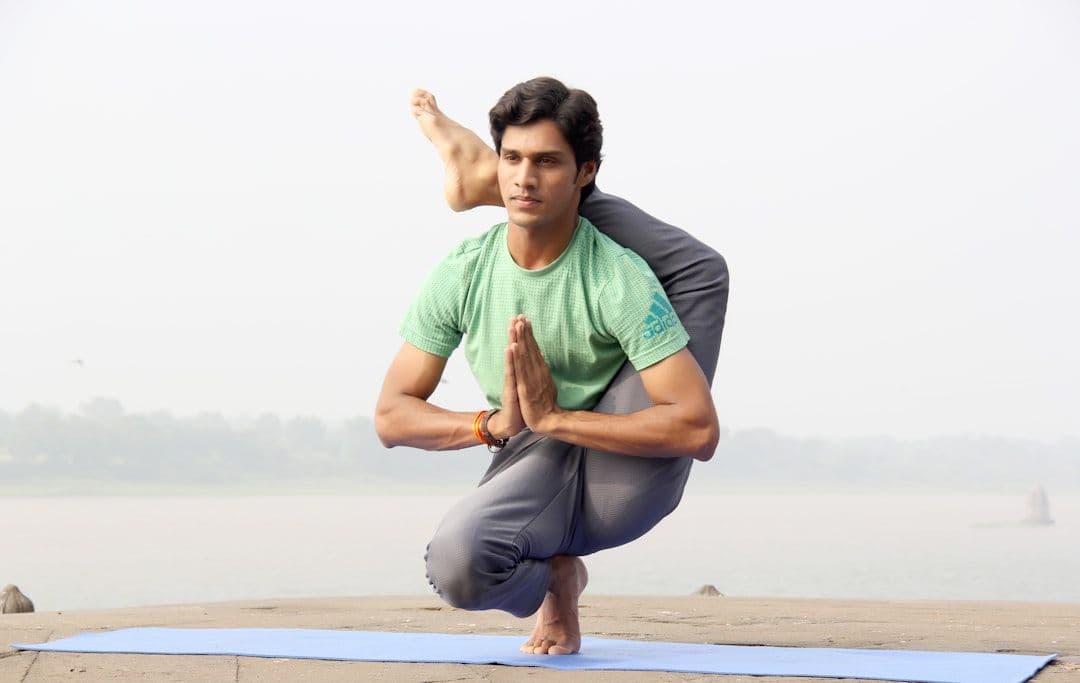
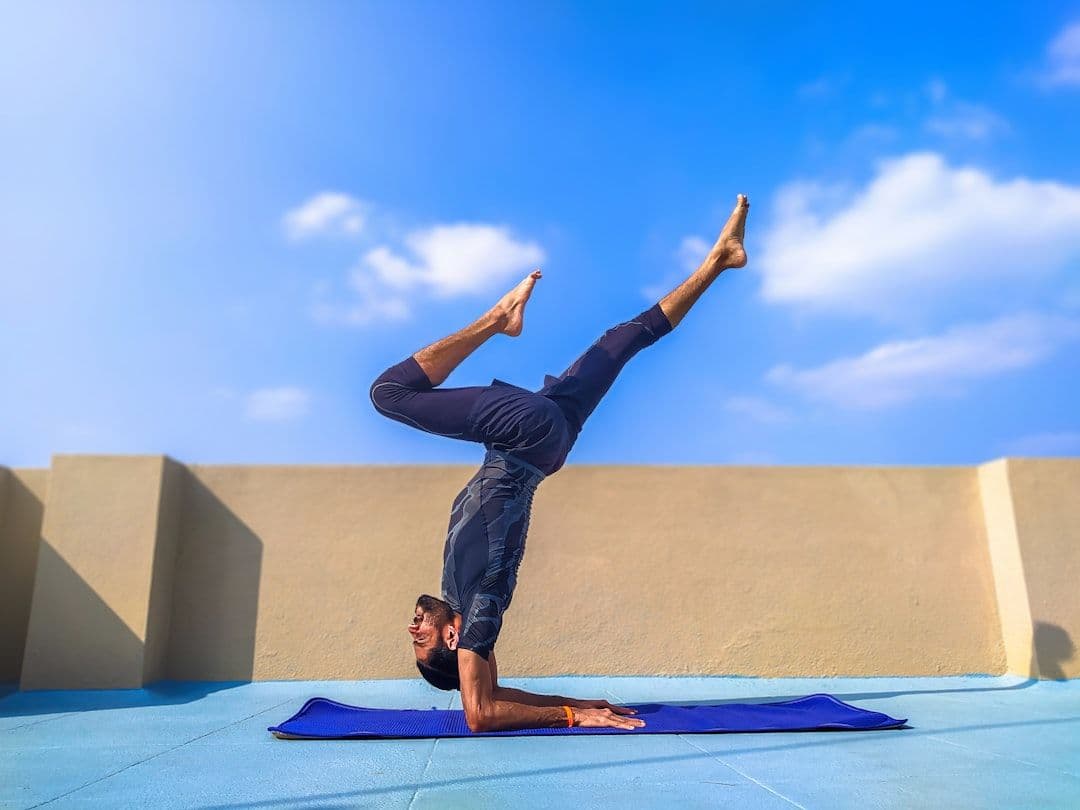
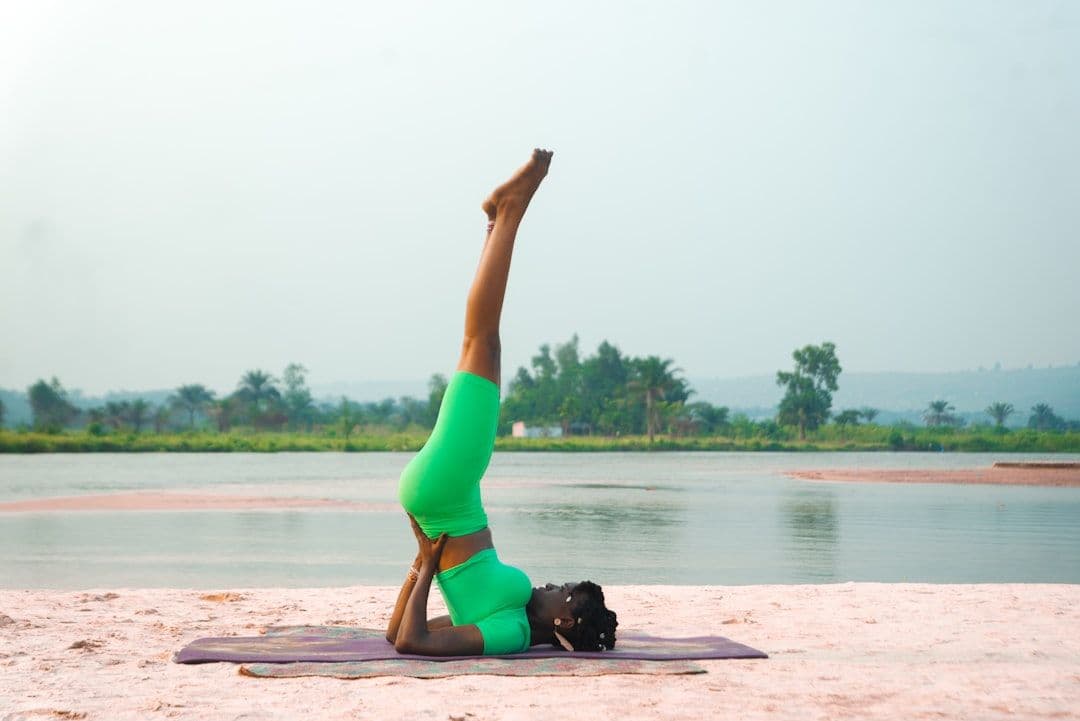
Jivamukti Yoga is a dynamic yoga practice that combines physical postures, breath work, meditation, and spiritual philosophy with ethical...
At a glance
What it is
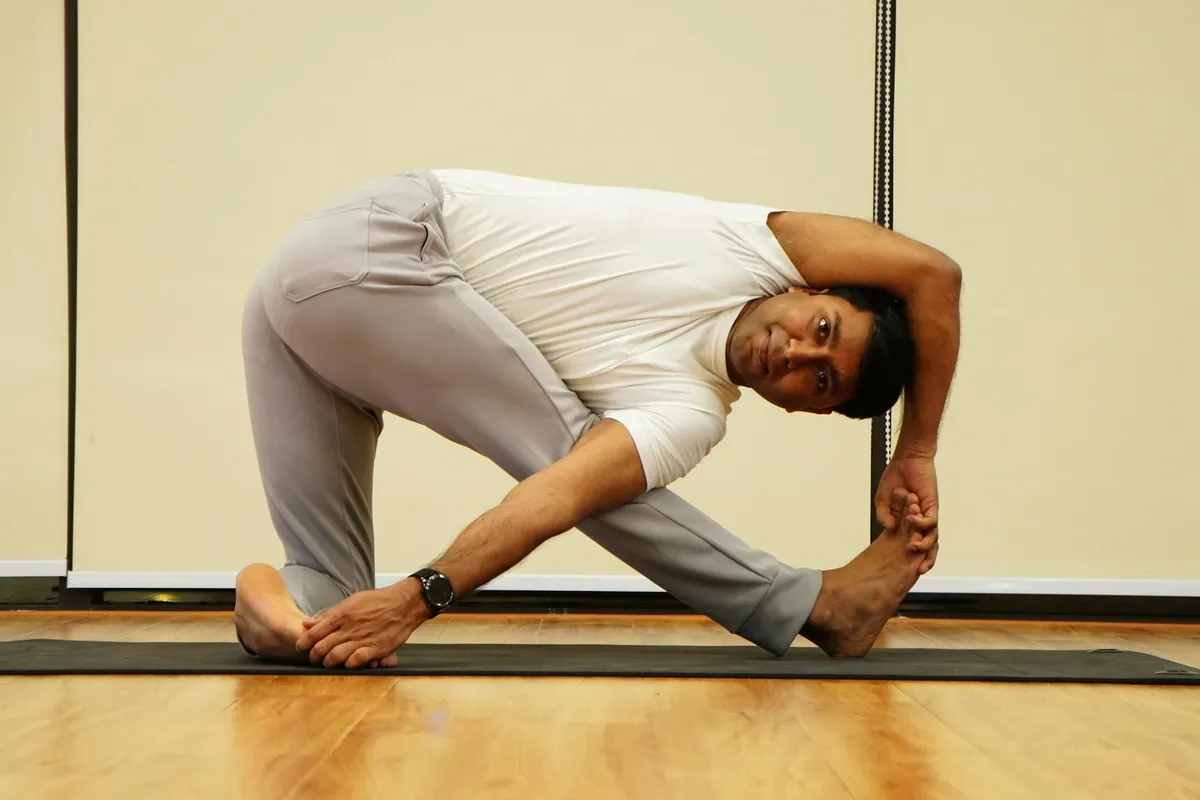
Jivamukti blends flowing vinyasa, breathwork, meditation, and Sanskrit philosophy.
Why explore it
It may boost flexibility and calm while weaving mindfulness and ethical living into every class.
How it’s experienced
Expect chanting, music, breath-linked flows, and readings in immersive 60-to-90-minute sessions.
Evidence context
Jivamukti lacks dedicated trials, though broader yoga research hints at anxiety and flexibility gains.
See the evidence snapshotSafety
Low-risk for most adults; tell your teacher about injuries and check with your doctor if needed.
See staying safeHistory & Origin
Jivamukti Yoga is a yoga practice that integrates physical postures, spirituality, and ethical principles.
Jivamukti Yoga was founded in 1984 by David Life and Sharon Gannon in New York City. The name "Jivamukti" comes from Sanskrit, meaning "liberation while living," reflecting the practice's core philosophy of achieving spiritual enlightenment within everyday life. Life and Gannon developed this approach by synthesizing classical yoga philosophy with contemporary spirituality, animal rights activism, and social consciousness, creating a system that goes beyond purely physical practice.
The modality draws from traditional Hindu and Buddhist yoga texts, particularly the Yoga Sutras of Patanjali and the Bhagavad Gita, while incorporating teachings from various spiritual traditions. Life and Gannon's vision was to make yoga accessible and relevant to modern practitioners while maintaining its spiritual essence and ethical foundations. They established the Jivamukti School of Yoga, which became influential in bringing a more spiritually-integrated approach to yoga in the Western world during a period when many studios focused primarily on physical asanas.
Jivamukti spread internationally through certified teachers trained in the method and through the founders' teaching, workshops, and publications. The practice gained prominence in urban yoga communities and became known for its dynamic vinyasa flow sequences combined with philosophical teachings, chanting, and meditation. Over the decades, Jivamukti has influenced broader trends in yoga that emphasize the integration of physical practice with spiritual and ethical dimensions, contributing to a more holistic understanding of yoga in Western wellness culture.
Mechanism
Jivamukti is best framed as a traditional, symbolic, energetic, reflective, or spiritual practice rather than a validated medical mechanism. Practitioners may use ritual, attention, sound, imagery, touch-free work, cards, symbols, prayer, or intention to support meaning-making and a sense of connection. People may explore it for reflection, calm, or spiritual context, while health claims should remain cautious and personal. Jivamukti integrates five key elements: physical postures (asanas) performed in flowing sequences, breath control (pranayama), meditation, chanting, and study of yogic philosophy alongside ethical principles (yamas and niyamas).
Your first visit
A typical session outline to help you feel prepared
A Jivamukti class blends flowing movement, chanting, and spiritual teachings into a rich 60-90 minute experience that nourishes both body and mind.
You'll remove your shoes at the door and find a spot on the studio floor with a mat. The atmosphere is intentional — incense may be burning and soft music playing as you arrive.
Class begins with the class chanting 'Om' together, followed by an invocation chant in Sanskrit. Don't worry about knowing the words — a printed sheet or projected lyrics are usually provided, and joi
Your instructor shares a short teaching — drawn from yoga philosophy, scripture, or ethical themes like ahimsa (non-harming) — that will thread through the entire class. This is one of Jivamukti's mos
You'll move through gentle warm-up sequences, often including seated stretches and sun salutations, synchronized with your breath. The instructor cues movement and breath together so you begin to feel
The heart of class is a flowing sequence of standing poses, balances, and transitions linked by breath and movement. Expect to build heat and feel a real physical challenge here — modifications are al
The sequence builds toward a peak pose or inversion, then gradually winds down through seated stretches and forward folds. This shift feels like a natural exhale after the energy of the main flow.
You'll lie still in savasana for several minutes, allowing your nervous system to absorb the practice. Music carefully chosen by the instructor often plays softly during this deeply restorative rest.
Class closes with a final 'Om' chant and sometimes a short meditation or blessing. Your instructor may offer a word of intention to carry into your day, honoring the spiritual roots of the practice.
The Evidence
What research and tradition tell us about this integrated yoga practice — and where the evidence is still developing.
Broad yoga evidence applies; Jivamukti-specific research is sparse
Jivamukti Yoga draws on a well-studied movement tradition, but formal research on this specific style is limited. General yoga research supports benefits for stress, flexibility, and mental wellbeing, and these findings are reasonably relevant here.
No clinical trials have examined Jivamukti Yoga specifically. The wider yoga literature — particularly vinyasa and mindfulness-based yoga — shows moderate evidence for reducing stress, anxiety, and improving flexibility. These findings are relevant but cannot be directly transferred to Jivamukti without dedicated research.
David Life and Sharon Gannon developed Jivamukti in New York City, drawing from the Yoga Sutras of Patanjali and the Bhagavad Gita. The name means 'liberation while living' in Sanskrit. The system integrates physical practice with ethical principles, animal rights, and social consciousness, making it distinct from purely fitness-oriented yoga styles.
As an Alternative modality, Jivamukti offers a structured system with its own internal logic — integrating asana, pranayama, meditation, chanting, and ethical study. It is not positioned as a substitute for professional healthcare, but as a self-development and wellbeing practice with roots in classical yoga tradition.
Published yoga studies rarely reflect the full Jivamukti experience — including its philosophical teachings, chanting, and ethical framework. This means benefits observed in clinical yoga research may not map precisely onto Jivamukti outcomes. Practitioners should be cautious about inflated outcome claims not supported by direct evidence.
People with cardiovascular conditions, recent surgery, severe osteoporosis, uncontrolled high blood pressure, or pregnancy complications should consult a healthcare provider before beginning. Inversions and deep twists may require modification. Always inform your instructor of relevant health history before class.
Jivamukti Yoga has an established international teacher certification programme. Seeking a certified Jivamukti teacher ensures familiarity with the full five-element methodology. If you have specific health needs, look for instructors with additional training in therapeutic or adaptive yoga, and keep your healthcare provider informed.
Safety first
General guidance to help you decide whether this approach is appropriate for you. This is informational only and not a substitute for medical, psychological, or professional advice.
If you are pregnant, managing a health condition, recovering from injury or surgery, or taking medication, consult a qualified healthcare professional first.
Some situations call for extra care or a different approach. Share any conditions, injuries, or sensitivities with your practitioner before your first session.
Mild, short-lived effects such as tenderness, tiredness, or temporary soreness can occur. Rest, hydrate, and tell your practitioner how you respond.
Look for clear boundaries, transparent pricing, and practitioners who avoid fear-based claims or pressure to book frequent sessions.
For you?
A simple, human way to weigh it up. This is general guidance, not personal medical advice — a qualified practitioner can advise on your situation.
Gyfts is a discovery platform, not a medical provider. Nothing here diagnoses, treats or replaces professional care. In an emergency, contact your local emergency number.
Explore approaches
Other practices people often explore alongside jivamukti.
In their words
FAQ
Bring a yoga mat (studios usually have them available), comfortable clothing that allows movement, and water. Some practitioners bring a journal for post-class reflection. Avoid perfume, as shared studio spaces benefit from minimal scent. Arrive 10-15 minutes early to settle in.
Many people notice improvements in flexibility, strength, and stress within 4-6 weeks of regular practice (2-3 times weekly). Spiritual and philosophical benefits often deepen over months and years of consistent practice. Even a single class can provide temporary relaxation and mental clarity, but ongoing practice yields more substantial results.
Yes, beginners are welcome, though Jivamukti classes are often more dynamic than beginner-specific yoga styles. Look for classes labeled "beginner-friendly" or "open level" and inform your teacher you're new to yoga. Props and modifications make poses accessible regardless of experience level. Starting with gentler introductory classes is often recommended before progressing to more intense sessions.
Spiritual elements include meditation, chanting (mantra), teachings from yoga philosophy texts, and exploration of how physical practice connects to inner development. The philosophy emphasizes non-violence (ahimsa), compassion, and ethical living. However, these teachings are non-dogmatic and non-religious; you can engage with them at whatever level feels comfortable.
No. Flexibility and fitness develop through practice; you don't need them beforehand. Yoga meets you where you are. Props, wall support, and pose modifications make the practice accessible to all fitness levels. Your teacher will help you find variations appropriate for your current ability.
Jivamukti emphasizes the integration of spirituality, philosophy, and ethics alongside physical practice more explicitly than many styles. It uses vinyasa flow (linked breath and movement) and typically includes chanting, meditation, and teachings. Other styles may focus more on alignment (Iyengar), relaxation (Yin), or specific physical benefits, whereas Jivamukti aims for holistic transformation.
Jivamukti may support mental health through stress reduction, mindfulness, physical activity, and spiritual connection—factors that research suggests can benefit mood and anxiety. However, it is not a treatment for clinical anxiety or depression. Those with significant mental health conditions should work with qualified mental health professionals alongside any yoga practice.
Jivamukti philosophy is rooted in yoga ethics (yama and niyama from the Yoga Sutras), which emphasize compassion, honesty, non-violence, and self-discipline. However, the practice is inclusive; you are not required to adopt specific beliefs or lifestyle practices. The philosophy is offered as guidance and inspiration rather than strict rules.
References
Educational sources that inform this overview. Inclusion is for context and does not imply endorsement.
Full citations are maintained by the Gyfts editorial team and reviewed periodically.
Keep exploring
Browse practitioners, explore honest overviews, and take what you learn to a conversation — at your own pace.