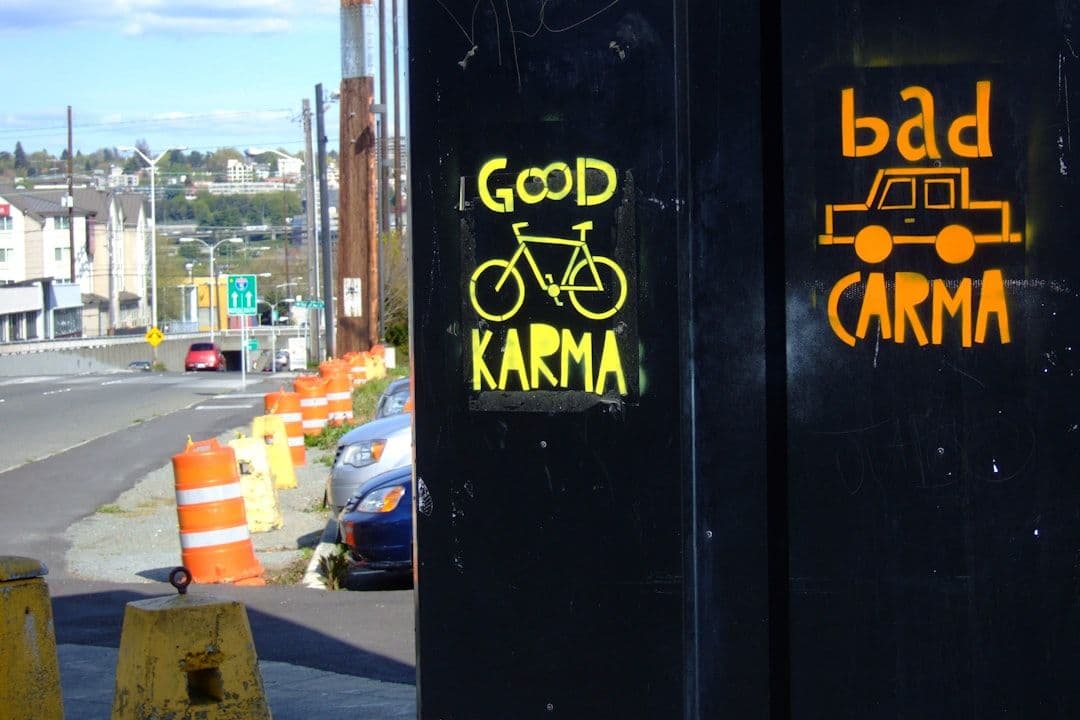
Understanding Karma as Living Philosophy
When Sarah noticed she kept attracting the same type of difficult relationships, a karmic counsellor helped her examine the subtle ways her own responses and choices might be perpetuating these patterns. Rather than blaming herself, she learned to see karma as a neutral law of cause and effect—like gravity—that could inform more conscious choices moving forward.
Karma represents one of humanity's oldest attempts to understand why life unfolds as it does. Far from the oversimplified 'what goes around comes around' notion popular in Western culture, traditional karma encompasses a sophisticated understanding of how intentions, actions, and consequences weave together across time to shape our experiences.
In karmic guidance, practitioners help people examine their lives through this lens of cause and effect. The focus remains firmly on the present moment: what patterns can you recognise now, and how might conscious awareness lead to different choices? This practical application transforms an ancient philosophical concept into a tool for contemporary self-reflection and growth.
Roots in Ancient Wisdom Traditions
Karma emerged within the spiritual traditions of ancient India approximately 3,000 years ago, appearing first in the earliest Upanishads before becoming central to Hindu, Buddhist, and Jain philosophy. The Sanskrit word itself means 'action' or 'deed', highlighting its focus on what we do rather than what happens to us.
Within Hinduism, karma operates alongside concepts of dharma (righteous duty) and moksha (liberation), forming part of a comprehensive understanding of spiritual development. Buddhist teachings emphasise karma's role in perpetuating cycles of suffering and the possibility of transcendence through mindful awareness. Jainism takes perhaps the most detailed approach, cataloguing the subtle karmic effects of even mental actions.
As these traditions travelled westward, karma often lost its nuanced philosophical context, sometimes becoming simplified into a cosmic reward-and-punishment system. Contemporary karmic guidance attempts to restore the principle's original emphasis on personal agency, conscious choice, and the understanding that our present circumstances arise from complex interactions rather than simple moral arithmetic.
How Karmic Guidance Works
Within traditional Eastern frameworks, karma operates through the principle of moral causation—intentional actions create energetic imprints that influence future experiences. Positive intentions and ethical actions generate beneficial conditions, whilst harmful intentions and destructive behaviours create obstacles and suffering. Importantly, karma affects not just external circumstances but also mental tendencies and patterns of perception.
Practitioners of karmic guidance work with this understanding to help people recognise how their current challenges might relate to ongoing patterns of thought, emotion, and behaviour. Rather than dwelling on past lives or unchangeable history, the focus centres on present awareness. What motivations drive your decisions? How do your reactions to difficult situations potentially perpetuate those situations? Where might unconscious beliefs be shaping your experiences in limiting ways?
The process typically involves guided reflection, meditation practices, and ethical inquiry designed to increase self-awareness and promote conscious choice-making. Some practitioners incorporate elements from other traditions—mindfulness techniques, energy work, or psychological insights—whilst maintaining karma's fundamental emphasis on personal responsibility and the interconnectedness of all actions.
What to Expect in Karmic Guidance
Initial sessions usually begin with exploration of current life challenges or recurring patterns that brought you to seek guidance. Your practitioner might ask about relationships, career difficulties, health issues, or emotional cycles that feel stuck or repetitive. Rather than offering predictions or definitive interpretations, skilled practitioners guide you toward your own insights about potential connections.
You might explore questions like: What responses or choices do you consistently make in challenging situations? How do these responses affect outcomes? What underlying beliefs or fears might be influencing your actions? The practitioner may suggest meditation practices, ethical reflections, or specific actions designed to shift established patterns.
Sessions can range from structured conversations to more experiential approaches involving guided meditation, energy awareness, or ritual elements. Some practitioners work with past-life themes if you find this framework meaningful, though others focus entirely on present-life patterns and choices. Duration varies considerably—some people find value in occasional sessions for specific challenges, whilst others engage in ongoing guidance as part of broader spiritual development.
Finding Qualified Practitioners
Karmic guidance practitioners typically come from diverse backgrounds including spiritual counselling, life coaching, meditation teaching, or energy healing. Look for someone who understands karma as a philosophical framework rather than claiming special powers to read your karmic 'record' or offering guarantees about future outcomes.
Qualifications to consider include training in Eastern philosophy or meditation traditions, certification in spiritual counselling or life coaching, and evidence of ongoing study with recognised teachers. Many practitioners combine karmic principles with other modalities like meditation instruction, breathwork, or psychological approaches. The Complementary & Natural Healthcare Council (CNHC) registers some spiritual counsellors, though specific karmic guidance may fall outside formal regulation.
Sessions typically cost £50-£120 per hour, with many practitioners offering reduced rates for ongoing work. Initial consultations might last 90 minutes, with follow-up sessions usually running 60 minutes. Be cautious of practitioners who focus heavily on negative karma or suggest expensive programmes to 'clear' karmic debt. Authentic karmic guidance emphasises your own capacity for conscious choice and positive change rather than dependence on external intervention.