What it is
An ancient Eastern idea that your intentions and actions shape your life's path.
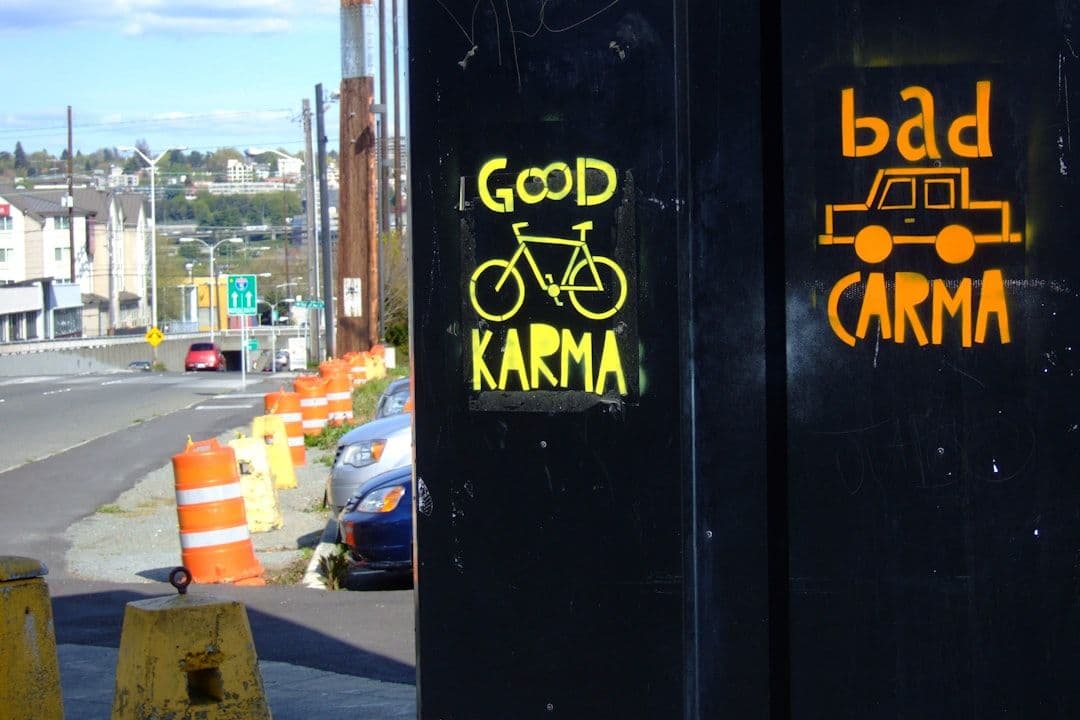
Karma is a spiritual concept based on the law of cause and effect, suggesting that intentional actions create consequences that shape one...
At a glance
What it is
An ancient Eastern idea that your intentions and actions shape your life's path.
Why explore it
It can help you spot recurring patterns, release guilt, and build a sense of purpose.
How it’s experienced
Explored through journaling, reflection, or guidance from a spiritual advisor with compassion.
Evidence context
No clinical evidence exists, but centuries of tradition support its value for personal reflection.
See the evidence snapshotSafety
Generally safe, but avoid anyone who blames your suffering or promises guaranteed outcomes.
See staying safeHistory & Origin
Karma involves understanding and working with the concept of karma, the law of cause and effect.
The concept of karma originates in ancient Indian philosophical and religious traditions, with roots tracing back to Vedic texts and early Hindu, Buddhist, and Jain teachings dating back thousands of years. The Sanskrit word 'karma' literally means 'action,' and the philosophy emerged as a comprehensive framework for understanding cause and effect in both material and spiritual dimensions of life. In these traditions, karma operates as a natural law of moral causality—actions generate consequences that may manifest in the present life or in future incarnations, depending on the tradition's cosmology.
As Buddhism, Hinduism, and other Eastern philosophies spread beyond Asia through trade, colonialism, and later through modern spiritual movements, the concept of karma entered Western consciousness during the 19th and 20th centuries. Theosophists, transcendentalists, and later New Age practitioners adapted and reinterpreted karma to fit Western individualistic frameworks, often emphasizing personal responsibility and the power to consciously reshape one's destiny through intentional action. Figures like Swami Vivekananda, Helena Blavatsky, and later teachers such as Paramahansa Yogananda played significant roles in introducing karma philosophy to Western audiences.
In contemporary complementary health and wellness contexts, karma has been integrated into coaching, counseling, and spiritual guidance practices. Modern practitioners synthesize traditional teachings with psychology, positive psychology, and life coaching methodologies. Today, karma work encompasses practices like reflection exercises, intention-setting, energy work, and guided exploration of life patterns—appealing to individuals seeking spiritual meaning, personal accountability, and understanding of life's patterns and synchronicities.
Mechanism
Karma is best framed as a traditional, symbolic, energetic, reflective, or spiritual practice rather than a validated medical mechanism. Practitioners may use ritual, attention, sound, imagery, touch-free work, cards, symbols, prayer, or intention to support meaning-making and a sense of connection. People may explore it for reflection, calm, or spiritual context, while health claims should remain cautious and personal. Karma operates on the principle that intentional actions generate consequences—positive or negative—that shape present and future experiences.
Your first visit
A typical session outline to help you feel prepared
A karma session blends open conversation, reflection, and energy awareness to help you explore life patterns and move forward with greater clarity and intention.
Your practitioner greets you and creates a calm, unhurried space. You might be offered water, invited to sit comfortably, and given a moment to arrive and breathe before anything begins.
You share what brought you here — a recurring situation, a relationship pattern, or a general sense of being stuck. The practitioner listens without judgment and helps you name a focus for the session.
Through guided conversation, you begin tracing recurring themes across your life — relationships, choices, emotional responses. The practitioner asks reflective questions to help you see connections y
Together you examine how past actions, beliefs, or experiences may be shaping your current circumstances. This is the heart of karma work — finding the threads between then and now.
Depending on your practitioner's approach, you may be guided into a brief meditation or light energy awareness practice to help you feel — not just think about — where you carry tension or resistance.
Your practitioner reflects back what emerged during the session, offering observations and perspectives to help you make meaning of what surfaced. You have space to respond, question, or sit with what resonates.
The session winds down with grounding — a breath, a moment of stillness, or a simple closing ritual. Your practitioner may suggest reflections, journaling prompts, or intentions to carry into daily li
The evidence
Explore the meaning and context behind Karma — how people use it for reflection, symbolism, or spiritual insight, where research is limited, and what to keep in mind before booking.
Karma is used as a reflective meaning-making practice
Karma is best framed as symbolic or spiritual reflection, not as a medical approach. People may use it for insight, meaning, or personal exploration.
This kind of practice is best understood as subjective and reflective. People may use it to notice patterns, clarify values, or explore spiritual meaning, but it should not be used as medical, psychological, legal, or financial advice.
Traditional context can explain the language, session style, and goals practitioners use. It does not automatically mean a practice has strong formal evidence, so tradition and research should be understood as different kinds of context.
Many wellness studies are small, mixed, or focused on specific populations. For reflective or traditional modalities, formal research may be sparse. Use the evidence context as one input, not a prediction of your personal outcome.
Existing safety notes flag that fit can depend on personal health context, practitioner scope, and session setup. Ask about contraindications, consent, training, hygiene where relevant, and whether professional guidance is appropriate before booking.
Look for grounded communication and avoid anyone who pressures you, makes fear-based claims, or promises outcomes. Reflective modalities work best when boundaries are explicit and you feel free to question or decline guidance.
Safety first
General guidance to help you decide whether this approach is appropriate for you. This is informational only and not a substitute for medical, psychological, or professional advice.
If you are pregnant, managing a health condition, recovering from injury or surgery, or taking medication, consult a qualified healthcare professional first.
Some situations call for extra care or a different approach. Share any conditions, injuries, or sensitivities with your practitioner before your first session.
Look for clear boundaries, transparent pricing, and practitioners who avoid fear-based claims or pressure to book frequent sessions.
Mild, short-lived effects such as tenderness, tiredness, or temporary soreness can occur. Rest, hydrate, and tell your practitioner how you respond.
For you?
A simple, human way to weigh it up. This is general guidance, not personal medical advice — a qualified practitioner can advise on your situation.
Gyfts is a discovery platform, not a medical provider. Nothing here diagnoses, treats or replaces professional care. In an emergency, contact your local emergency number.
Explore approaches
Other practices people often explore alongside karma.
In their words
FAQ
No. Traditional karma philosophy understands karma as a natural law of cause and effect, not punishment administered by a judge or deity. Modern practitioners emphasize that karma is a neutral process—actions generate natural consequences. The goal of karma work is not to earn redemption through suffering, but to understand patterns and consciously align actions with desired outcomes. This perspective fosters compassion and empowerment rather than shame.
There is no standard number. Some people benefit from a single clarifying session, while others engage in ongoing monthly work for months or years. The frequency depends on your goals, readiness for change, and the depth of patterns you're exploring. Many practitioners recommend an initial consultation followed by at least one or two follow-up sessions to integrate insights and track shifts. Discuss goals and recommendations with your practitioner to establish a plan that feels right for you.
Karma work is not a treatment for physical disease and should not replace medical diagnosis or evidence-based treatment. However, some people find that shifts in mindset, stress reduction, and behavioral changes that emerge from karma work may support overall wellness. Always consult a physician for physical symptoms. Karma work can complement conventional and complementary medical care by addressing emotional and spiritual dimensions of health.
You don't need to believe in reincarnation to benefit from karma work. Many modern practitioners work with karma as a principle operating within a single lifetime—understanding how your past actions shape your present circumstances and how present choices create your future. Others use karma as a metaphor for patterns and causality. Discuss your beliefs and comfort level with your practitioner, who can adapt the approach to align with your worldview.
Karma work itself does not magically alter circumstances. Rather, it fosters self-awareness, clarity, and empowerment that often motivates behavioral and attitudinal change. As you understand patterns more deeply and align actions with your values and intentions, circumstances frequently shift—but this results from your changed choices, not from the session itself. The real change comes from you taking responsibility and acting differently based on new understanding.
Karma originates in Eastern religious and philosophical traditions, but modern karma work is flexible. Some practitioners integrate traditional teachings; others use karma as a secular philosophical framework for understanding cause and effect and personal responsibility. You can work with karma concepts that resonate with your beliefs while setting aside those that don't. Discuss the practitioner's approach to ensure it aligns with your comfort level.
References
Educational sources that inform this overview. Inclusion is for context and does not imply endorsement.
Full citations are maintained by the Gyfts editorial team and reviewed periodically.
Keep exploring
Browse practitioners, explore honest overviews, and take what you learn to a conversation — at your own pace.