The Research Landscape
Light therapy research spans four decades, with over 200 published studies examining its effects on mood, sleep, and circadian rhythms. The evidence base includes several high-quality randomised controlled trials, multiple systematic reviews, and meta-analyses.
The strongest research focuses on seasonal affective disorder (SAD), where light therapy has been studied in populations ranging from 20 to 200 participants across numerous trials. Research quality has improved substantially since the 1990s, with better control groups, standardised protocols, and more sophisticated outcome measures.
Studies examining other applications—non-seasonal depression, bipolar disorder, and sleep disturbances—remain smaller and more heterogeneous in design. This creates a research landscape where confidence levels vary significantly depending on the specific condition being addressed.
Key Clinical Findings
For seasonal affective disorder, the evidence is compelling. A 2005 meta-analysis examining 13 studies found light therapy produced significant improvements in depression scores, with effect sizes ranging from 0.5 to 1.2—comparable to conventional antidepressant medications. More recent systematic reviews have confirmed these findings, with response rates typically between 60-70%.
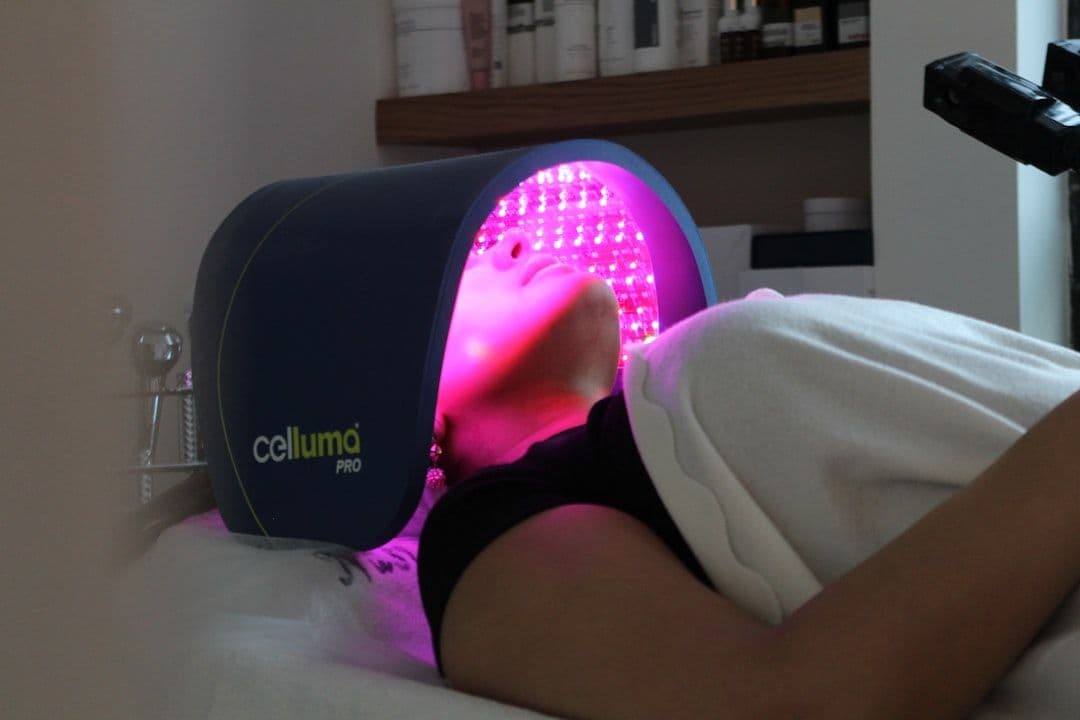
The optimal protocol appears to be 10,000 lux exposure for 30-60 minutes, preferably in the morning. Studies using lower intensities (2,500 lux) require longer exposure times but show similar efficacy. Timing matters critically—morning light consistently outperforms evening exposure for mood symptoms.
For non-seasonal depression, research suggests light therapy may be effective as an adjunct to conventional treatment. A 2016 multicentre trial involving 122 participants found significant benefits when light therapy was combined with antidepressants, though light therapy alone showed more modest effects.
Research Limitations and Gaps
Despite positive findings, several methodological challenges limit our confidence in the evidence. Blinding participants to light exposure remains virtually impossible, creating potential placebo effects. Many studies use different light intensities, durations, and timing, making direct comparisons difficult.
Sample sizes remain relatively small for most conditions beyond SAD. Studies of circadian rhythm disorders often involve fewer than 50 participants, limiting the generalisability of findings. Publication bias may also be a factor—negative results in light therapy research are historically underreported.
The mechanism of action remains incompletely understood. While theories focus on circadian rhythm regulation and serotonin production, the precise biological pathways through which light therapy exerts its effects need further investigation.
Evidence-Supported Applications
The evidence clearly supports light therapy for winter-pattern seasonal affective disorder. Clinical guidelines from several countries, including those from the Canadian Network for Mood and Anxiety Treatments, recommend light therapy as a first-line treatment for SAD.
For subsyndromal SAD—winter blues without full diagnostic criteria—research suggests light therapy may provide meaningful benefits, though the evidence base is smaller. Shift work sleep disorder shows promising preliminary results, with several studies indicating improved alertness and sleep quality.
However, the evidence for non-seasonal depression remains uncertain. While some studies show benefits, others find minimal effects. The heterogeneity in study populations and protocols makes it difficult to predict who will respond best.
Future Research Directions
Several key questions require investigation. Personalised medicine approaches—identifying who responds best to light therapy based on chronotype, genetic factors, or symptom patterns—represent a promising research direction. Current studies are examining whether circadian rhythm phenotyping can predict treatment response.
Larger, multicentre trials are needed for applications beyond SAD. The field particularly needs well-designed studies examining optimal protocols for different populations, including older adults and those with comorbid conditions.
Emerging research into different wavelengths of light—blue light versus full spectrum—may refine treatment protocols. Early studies suggest blue light may be effective at lower intensities, potentially improving tolerability and compliance. The development of wearable light devices also opens new research possibilities, though their effectiveness compared to traditional light boxes requires validation.