What it is
Light therapy uses bright light to support your mood, sleep, and energy levels.
Exposure to specific wavelengths and intensities of light to support mood regulation, circadian rhythm alignment, and general wellbeing
At a glance
What it is
Light therapy uses bright light to support your mood, sleep, and energy levels.
Why explore it
It may lift mood and improve sleep, especially in winter or for those with irregular schedules.
How it’s experienced
Sit near a 10,000-lux light box for 20–30 minutes each morning within an hour of waking.
Evidence context
Solid research supports its effect on seasonal mood and sleep timing, though results vary.
See the evidence snapshotSafety
Generally safe, but check with your doctor if you have eye conditions or take certain medications.
See staying safeHistory & Origin
Light Therapy explores how light exposure may influence mood and routine.
Light exposure has long been recognized as fundamental to human health and mood. However, formal investigation into therapeutic light exposure began in earnest during the 1980s when researchers in Scandinavia and North America noticed elevated rates of mood disturbance during winter months in high-latitude regions. Scientists including Norman Rosenthal and colleagues at the National Institute of Mental Health conducted pioneering studies on seasonal affective disorder (SAD) and discovered that controlled light exposure could measurably influence mood and circadian function. This research sparked broader interest in how different light wavelengths, intensities, and timing affect human physiology and psychology. The field expanded rapidly through the 1990s and 2000s, with researchers exploring applications beyond seasonal mood changes, including sleep disorders, cognitive performance, and general wellbeing. While clinical phototherapy remains a medical intervention, complementary practitioners began incorporating light exposure principles into wellness practices, emphasizing circadian alignment, natural light optimization, and the use of specialized light devices as part of holistic lifestyle support.
Mechanism
Light Therapy is generally framed as a guided process for attention, reflection, learning, and emotional integration. Depending on the method, a practitioner may use conversation, imagery, structured exercises, body awareness, or therapeutic techniques to help the person explore patterns and choices. It should not be presented as a standalone solution or a substitute for urgent care, but it may support self-understanding when practiced within an appropriate scope. Light therapy involves exposure to bright light—typically 10,000 lux or higher—delivered via specialized light boxes or lamps, which may influence circadian rhythm regulation and serotonin production.
Your first visit
A typical session outline to help you feel prepared
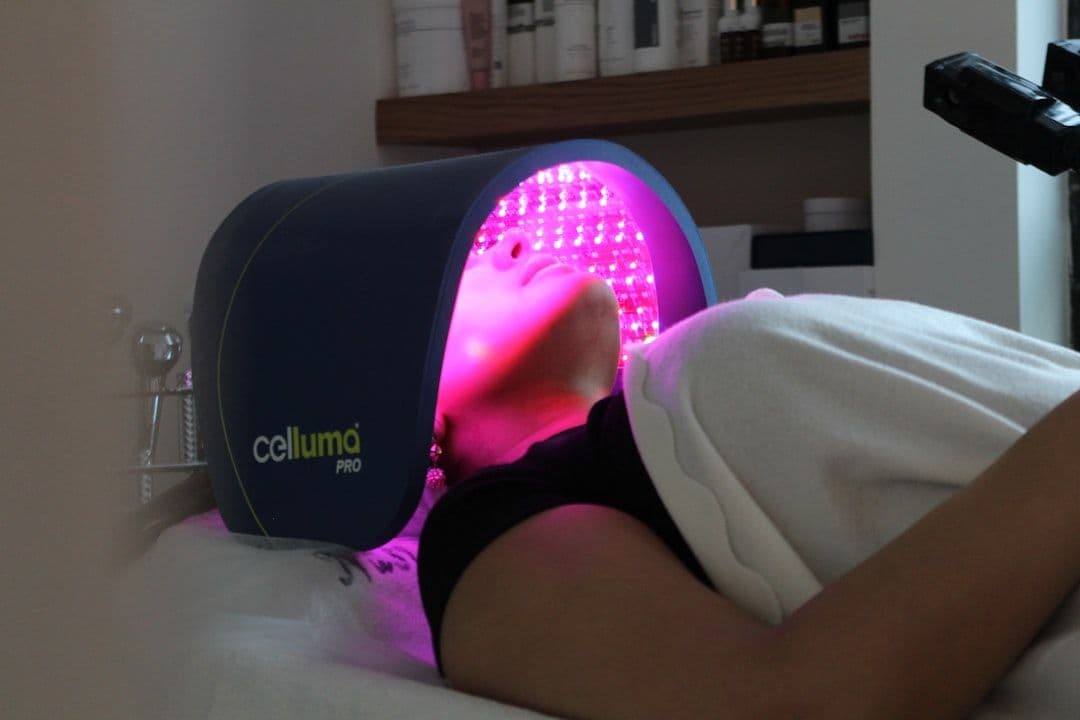
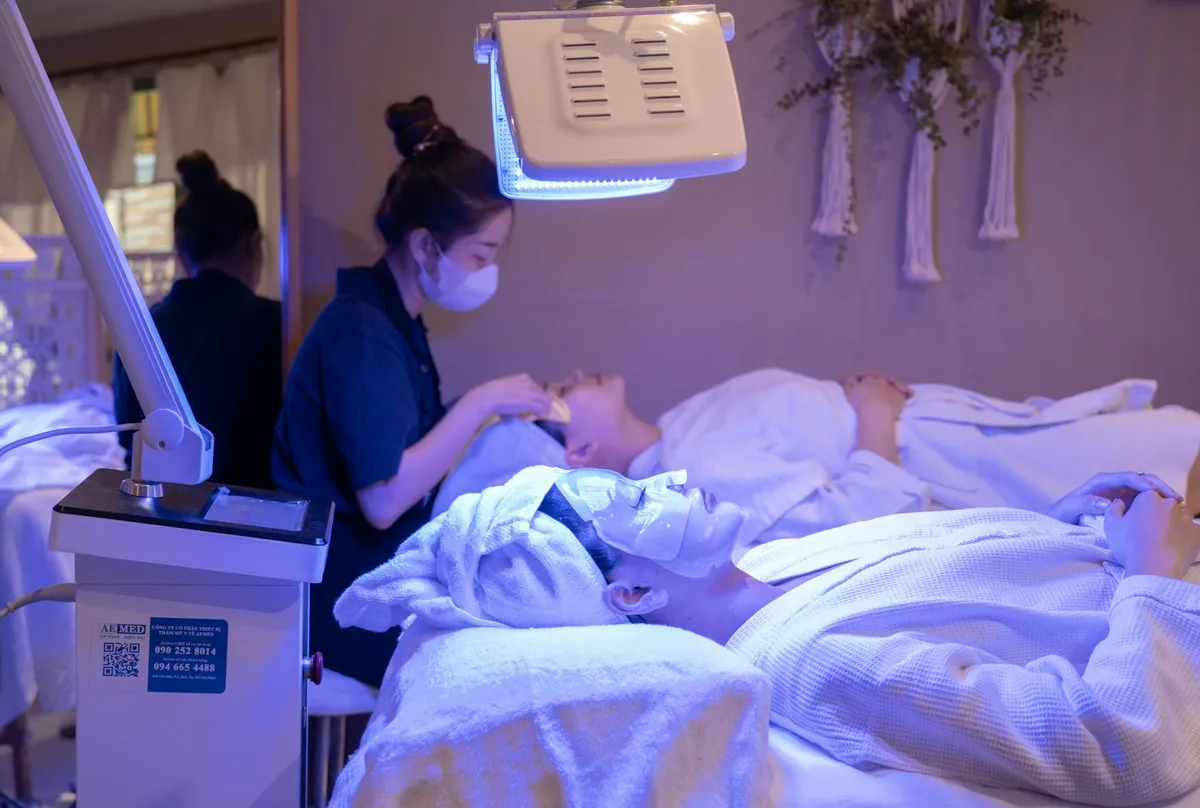
A light therapy session is a gentle, eyes-open experience where you sit near a specially designed bright light box, typically in the morning, to support your mood, sleep, and energy levels.
Your practitioner greets you and asks about your sleep patterns, mood, energy levels, and daily schedule to understand what you're hoping to get from light therapy.
Together you'll map out your typical morning habits and any history with seasonal mood changes or sleep difficulties, so the session timing can be personalized to your natural rhythms.
Your practitioner shows you the light box, explains that it emits a bright white light of around 10,000 lux, and clarifies that you won't be staring directly into it — just sitting comfortably nearby.
You sit at a comfortable distance from the light box, usually about 16 to 24 inches away, with the light angling toward your face. No special clothing is needed — just dress as you normally would.
The light box is switched on and you simply go about a relaxed activity like reading, having coffee, or chatting, while the bright light reaches your eyes naturally without forcing you to look at it.
Partway through your 20 to 60 minute session your practitioner may check in to ask how you're feeling, since some people notice a subtle lift in alertness or mood fairly quickly while others feel little at first.
When the time is up the light box is turned off and your practitioner talks with you about any sensations you noticed, such as mild eye brightness or a slight headache, which are common and usually brief.
Before you leave you'll receive guidance on how to incorporate consistent morning light exposure into your daily life, including the best time of day and how to gradually adjust session length as your body adapts.
The Evidence
What research says about light exposure, circadian biology, and mood — and where the evidence is strong, limited, or still emerging.
Strong foundations in circadian science, mixed evidence elsewhere
Light therapy has robust clinical support for seasonal affective disorder and circadian rhythm disorders. Evidence for broader applications — general mood, energy, and cognitive performance — is more limited and still developing.
Decades of research, including well-designed randomized controlled trials, demonstrate that morning bright light exposure measurably improves mood and sleep in people with seasonal affective disorder and circadian misalignment. This is the most evidence-supported application of light therapy. Evidence for non-seasonal mood support and general wellbeing is more limited, often relying on smaller studies or mechanistic reasoning.
Beyond mood and sleep, emerging studies are investigating how light timing and wavelength may influence cognitive performance, metabolic health, and aging. This research is promising but largely preliminary. Findings from clinical phototherapy settings do not always translate directly to complementary or everyday-use contexts, so caution is warranted when interpreting broader claims.
While clinical phototherapy is a medically studied intervention, light therapy is also widely used in complementary wellness settings for circadian support, seasonal energy, and sleep-wake regulation. The underlying science is well-established; however, outcomes vary considerably between individuals. Personal response to light timing, intensity, and duration differs, and results are not uniform across populations.
People with diagnosed mood disorders, eye conditions, or those taking photosensitizing medications should consult a healthcare provider before use. Those with uncontrolled bipolar disorder require psychiatric guidance, as bright light may destabilize mood in some cases. Use light boxes at recommended distances — typically 16 to 24 inches — and time sessions appropriately, usually in the morning.
Evidence quality varies significantly across applications. Claims about light therapy for general energy optimization, cognitive enhancement, or broad wellbeing often rest on smaller studies or extrapolation from circadian biology rather than large-scale trials. Individual response is highly variable. Light therapy is not a substitute for professional assessment or care for clinical mood or sleep conditions.
If you are considering light therapy for a specific health concern — particularly mood, sleep, or a diagnosed condition — speaking with a qualified healthcare provider ensures the approach is appropriate for your situation. Practitioners familiar with circadian medicine or sleep health can advise on timing, intensity, and duration. Self-directed use for general wellness is reasonable for most healthy adults, with awareness of the safety considerations above.
Safety first
General guidance to help you decide whether this approach is appropriate for you. This is informational only and not a substitute for medical, psychological, or professional advice.
If you are pregnant, managing a health condition, recovering from injury or surgery, or taking medication, consult a qualified healthcare professional first.
Some situations call for extra care or a different approach. Share any conditions, injuries, or sensitivities with your practitioner before your first session.
Look for clear boundaries, transparent pricing, and practitioners who avoid fear-based claims or pressure to book frequent sessions.
Mild, short-lived effects such as tenderness, tiredness, or temporary soreness can occur. Rest, hydrate, and tell your practitioner how you respond.
For you?
A simple, human way to weigh it up. This is general guidance, not personal medical advice — a qualified practitioner can advise on your situation.
Gyfts is a discovery platform, not a medical provider. Nothing here diagnoses, treats or replaces professional care. In an emergency, contact your local emergency number.
Explore approaches
Other practices people often explore alongside light therapy.
In their words
FAQ
You sit comfortably near a specialized light box (typically emitting 10,000 lux) at a distance of 16–24 inches. Sessions usually last 20–60 minutes, often scheduled for morning hours. You do not stare directly into the light; instead, the light enters your visual field while you engage in normal activities like reading or eating. The light stimulates photoreceptors in your eyes, signaling your brain about time of day and influencing circadian-regulated processes like mood, alertness, and sleep readiness. Most sessions produce no sensation; some people report subtle mood lifting or increased alertness over subsequent hours.
This varies considerably by individual and circumstance. Many people report initial shifts in alertness or mood after 3–7 days of consistent morning light exposure, though more substantial changes often emerge over 2–4 weeks. For seasonal concerns, starting light therapy in autumn and continuing through winter typically produces better results than sporadic use. Your practitioner will recommend a specific protocol—often 20–30 minutes daily in the morning—and will adjust based on your response. Consistency matters more than session length; missing days significantly reduces effectiveness.
Many people use light therapy independently at home after an initial consultation establishes their personalized protocol. Your practitioner helps determine optimal timing, duration, and intensity for your unique circadian type and goals, then you implement the routine yourself. Regular check-ins with your practitioner help monitor progress, troubleshoot challenges, and adjust your approach as seasons change or circumstances shift. Some people benefit from periodic in-office sessions for reassessment or when traveling.
For most people, light therapy is well-tolerated when used appropriately. However, some experience mild side effects including eye strain, headaches, or transient mood elevation. These often resolve by reducing session duration, moving the light box farther away, or shifting the session earlier or later in the morning. Those with bipolar disorder should use light therapy under psychiatric guidance, as bright light can trigger mood destabilization in susceptible individuals. Using light therapy late in the day may disrupt sleep quality, so morning timing is typically recommended.
Research supports measurable effects of light exposure on circadian function and seasonal mood patterns, particularly for seasonal affective disorder. However, effects are individual—some people respond robustly while others notice minimal change. The evidence is strongest for morning light exposure on circadian alignment and seasonal mood; evidence for other applications is more limited. Factors like consistency, light intensity, timing relative to your personal circadian rhythm, and baseline light exposure all influence outcomes. While some improvement may reflect placebo effect or changed routine awareness, biological mechanisms involving circadian genes and neurotransmitters are well-documented.
Natural sunlight is beneficial and should be prioritized when available, particularly morning exposure. However, therapeutic light boxes deliver higher intensity (typically 10,000 lux) in a controlled, consistent manner that many people cannot achieve through windows, especially in winter or at high latitudes. Regular household lamps emit insufficient intensity for therapeutic effect. Morning outdoor time remains excellent for circadian alignment, but light therapy boxes are specifically designed to deliver therapeutic intensity and are more reliable during seasons or regions with limited daylight.
Light therapy is generally considered safe during pregnancy because it works through light exposure rather than ingested or absorbed substances. However, pregnant individuals should discuss any new wellness practices with their healthcare provider. Some research suggests light exposure may be beneficial for sleep during pregnancy, but individual circumstances vary. Consult your doctor before beginning light therapy if you are pregnant or planning pregnancy.
Seasonal affective disorder (SAD) is a diagnosed medical condition involving significant mood, energy, and behavioral changes during winter. Clinical phototherapy for SAD is a medically supervised treatment prescribed by healthcare providers. Light therapy in a complementary wellness context is a broader lifestyle application of light exposure principles to support circadian alignment and general wellbeing, not specifically treating diagnosed SAD. If you suspect you have SAD, consult your healthcare provider for proper assessment and medically appropriate treatment options.
References
Educational sources that inform this overview. Inclusion is for context and does not imply endorsement.
Full citations are maintained by the Gyfts editorial team and reviewed periodically.
Keep exploring
Browse practitioners, explore honest overviews, and take what you learn to a conversation — at your own pace.