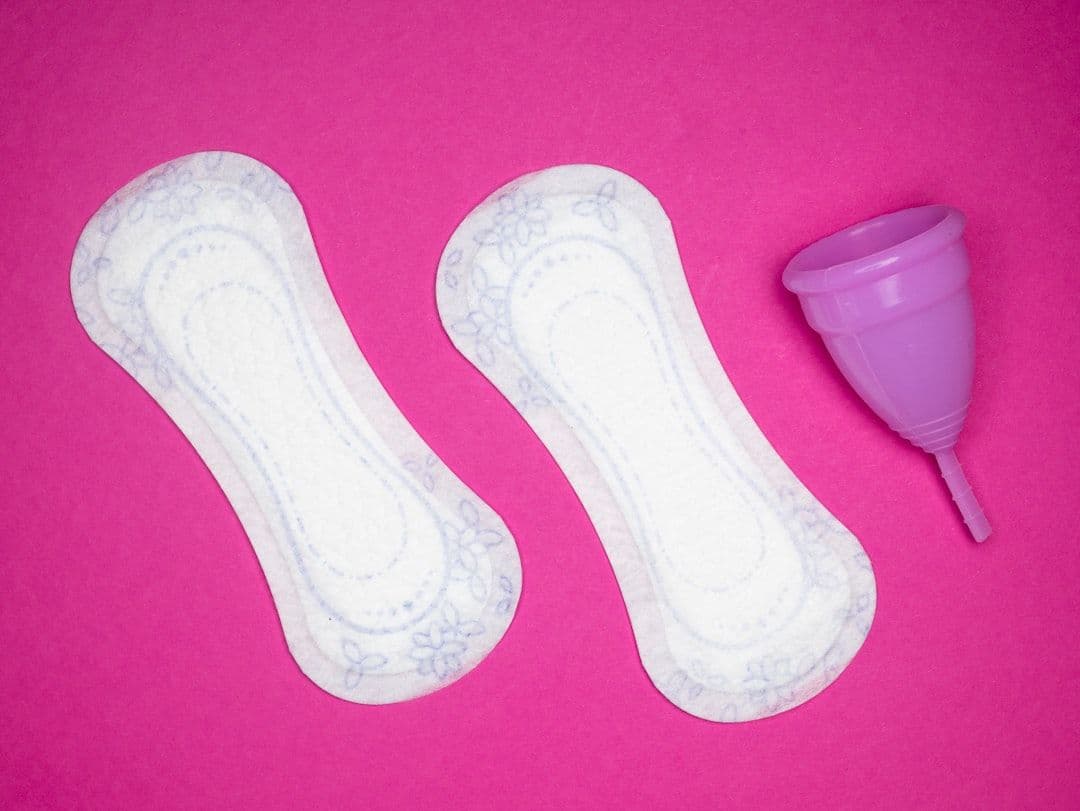
When Your Body Declares War Once a Month
The sudden grip of menstrual cramping can transform an ordinary Tuesday into an ordeal of heating pads and cancelled plans. That distinctive deep ache—radiating from the pelvis through the lower back and thighs—affects up to 80% of menstruating women, yet conventional medicine often offers little beyond 'take some ibuprofen and carry on.'
Menstrual cramping management represents a different approach entirely. Rather than simply masking pain, this complementary field focuses on addressing the underlying mechanisms that trigger uterine contractions and pelvic inflammation. The strategies range from precisely timed herbal protocols to targeted nutritional interventions, each designed to work with your body's natural rhythms rather than against them.
Ancient Wisdom Meets Modern Understanding
Women have been managing menstrual pain for millennia, developing sophisticated approaches long before prostaglandins were discovered in laboratories. Traditional Chinese Medicine identified patterns of 'blood stasis' and 'cold in the uterus' thousands of years ago, prescribing warming herbs and movement practices that modern research now validates for their anti-inflammatory effects.
European herbalism contributed its own insights, with medieval texts documenting the use of cramp bark and raspberry leaf for 'women's troubles.' Indigenous traditions worldwide developed parallel approaches—from the turmeric-based remedies of Ayurveda to the plant medicines of the Americas.
What's remarkable is how contemporary research has begun explaining why many of these traditional approaches work. The anti-spasmodic compounds in cramp bark, the prostaglandin-inhibiting properties of ginger, the muscle-relaxing effects of magnesium—all align with our current understanding of menstrual physiology.
How Your Body Creates—and Can Reduce—Period Pain
Menstrual cramping begins with prostaglandins—hormone-like substances that trigger the powerful uterine contractions needed to shed the endometrial lining. When prostaglandin levels spike too high, these contractions become intense enough to temporarily cut off blood flow to the uterus, creating the characteristic cramping sensation.
Complementary approaches work through several pathways to interrupt this cascade. Anti-inflammatory herbs like ginger and turmeric reduce prostaglandin production at the cellular level. Magnesium acts as a natural calcium channel blocker, helping smooth muscle fibres relax more effectively. Heat therapy increases local blood flow, reducing the ischaemic pain from constricted vessels.
The dietary component focuses on supporting this natural regulatory system. Omega-3 fatty acids provide building blocks for less inflammatory prostaglandins, whilst reducing omega-6 intake limits the raw materials for the more problematic varieties. This nutritional approach requires consistency over time, as it works by gradually shifting the body's inflammatory balance rather than providing immediate relief.
Who Benefits Most from These Approaches
Not all period pain responds equally well to complementary management. Women with primary dysmenorrhea—cramping without underlying structural causes—typically see the most dramatic improvements. If your periods started being painful within a year or two of menarche and follow a predictable pattern, you're likely in this category.
Those seeking alternatives to NSAIDs often find particular value in these approaches. Whether you're concerned about long-term NSAID use, experience stomach irritation from conventional painkillers, or simply prefer addressing root causes rather than symptoms, complementary strategies offer viable options.
However, sudden-onset severe cramping or pain that's progressively worsening may indicate conditions like endometriosis or fibroids. In these cases, complementary approaches work best alongside appropriate medical investigation and treatment, rather than as standalone solutions.
What a Comprehensive Approach Actually Looks Like
Effective menstrual cramping management typically begins before your period arrives. Many practitioners recommend starting interventions during the luteal phase—roughly two weeks before bleeding begins—to influence the prostaglandin cascade before it peaks.
A typical protocol might include daily magnesium supplementation (200-400mg), anti-inflammatory herbs like turmeric or ginger taken as concentrated extracts, and dietary modifications emphasising omega-3 rich foods whilst reducing sugar and processed foods. Some women add traditional remedies like raspberry leaf tea or cramp bark tinctures.
During menstruation itself, the focus shifts to immediate comfort measures. Heat therapy—whether through traditional hot water bottles or modern wheat bags—provides relief within 15-20 minutes by increasing pelvic blood flow. Gentle movement like yoga or walking helps prevent muscles from tightening, whilst acupressure points on the lower abdomen can provide surprising relief when pressed firmly for 30-60 seconds.
What the Research Actually Shows
The evidence base for menstrual cramping management is surprisingly robust in certain areas, whilst remaining limited in others. Magnesium supplementation has strong support from multiple randomised controlled trials, with studies consistently showing reduced pain intensity and duration when taken regularly.
Ginger extract demonstrates impressive anti-inflammatory effects, with research suggesting it can be as effective as ibuprofen for menstrual pain when taken at therapeutic doses (250mg four times daily). Heat therapy has solid physiological backing and immediate subjective benefits, though formal trials remain limited.
Where the evidence becomes thinner is with many traditional herbal combinations and complex protocols. Individual herbs may show promise in isolation, but the synergistic effects claimed by traditional systems await rigorous testing. This doesn't invalidate these approaches—rather, it highlights the gap between traditional use and modern validation standards.
Finding the Right Approach for You
Menstrual cramping management works best when tailored to your specific pattern and severity of symptoms. A qualified nutritional therapist or medical herbalist can help design protocols that align with your individual needs, medical history, and lifestyle constraints.
Expect to invest £50-80 for an initial consultation, with follow-ups typically costing £30-50. Many practitioners offer package deals for the 3-4 month period usually needed to see significant changes. Look for professionals registered with the CNHC or specific professional bodies like the National Institute of Medical Herbalists.
Supplement costs vary widely, but budget £20-40 monthly for quality magnesium, omega-3s, and herbal extracts. Remember that this approach requires patience—whilst heat therapy and movement provide immediate relief, the deeper nutritional and herbal interventions typically take 2-3 cycles to show their full effects.