What It Is
Menstrual cramps are uterine contractions before and during your period, caused by prostaglandins
Understanding your cycle and finding what brings relief
At a glance
What It Is
Menstrual cramps are uterine contractions before and during your period, caused by prostaglandins
How It Presents
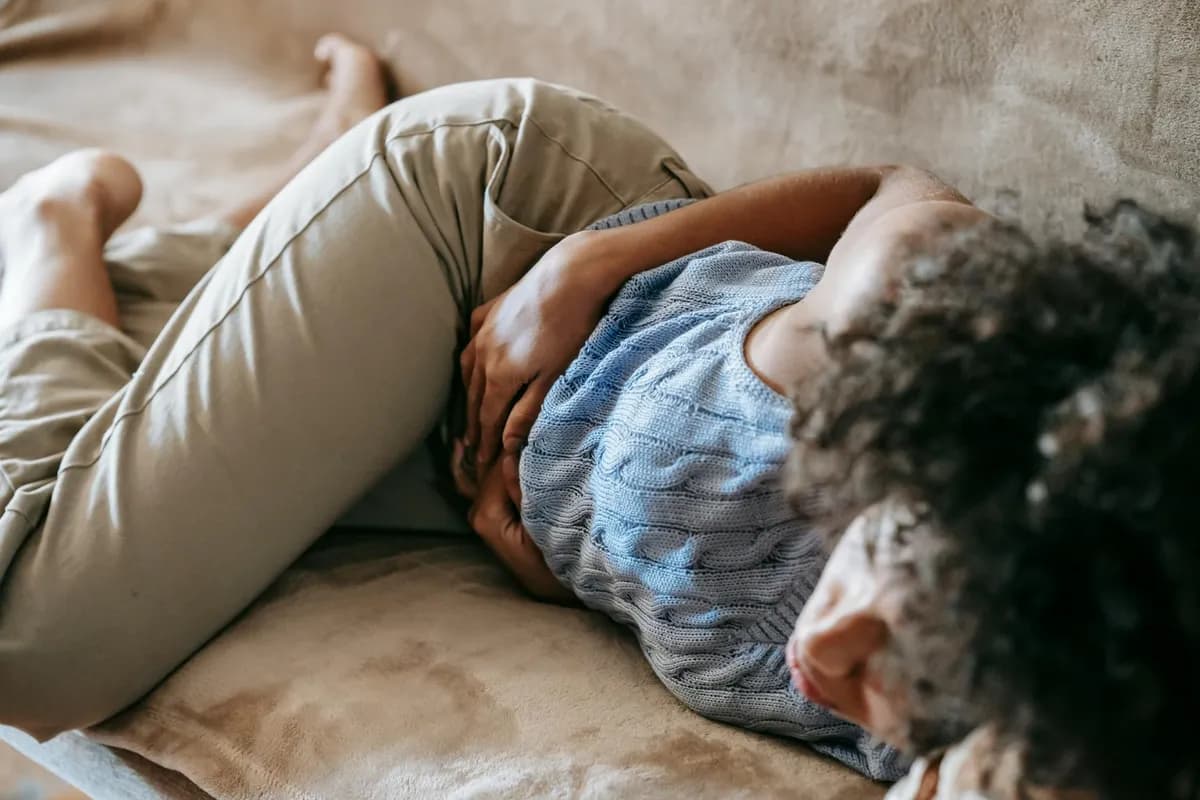
Lower abdominal pain, bloating, back ache, mood shifts, and sometimes nausea during your cycle
What May Help
Heat therapy, movement, dietary changes, and some herbal or mind-body approaches are commonly explored
Evidence Context
Research is moderate — some approaches show promise, though individual responses vary meaningfully
See the evidence snapshotWhen to Seek Help
See a doctor if pain is severe, worsening, or interfering with daily life, fertility, or urinary control
Explanation
Menstrual cramps are a common experience that can impact daily life, causing physical and emotional distress. In a holistic context, menstrual cramps can be seen as an imbalance in the body's energy and a sign of spiritual or emotional distress. It can manifest in various ways, including painful cramps, bloating, and mood changes.
Could this be you
Menstrual Cramps shows up differently for everyone. Browse by how it tends to be felt — these are common experiences, not a checklist or a diagnosis.
Common experiences people describe — not a diagnostic checklist.
Why it happens
Menstrual Cramps usually comes from a mix of factors rather than a single cause. These are common contributors — not certainties.
Elevated prostaglandins during menstruation may trigger stronger uterine contractions, contributing to cramping pain in the lower abdomen.
Chronic stress may amplify pain sensitivity and hormonal fluctuations, which some people find worsens cramp intensity each cycle.
Nutritional deficiencies, pelvic floor dysfunction, and underlying conditions like endometriosis may increase susceptibility to severe menstrual cramps.
Poor sleep may disrupt the hormonal rhythms that regulate inflammation, potentially making menstrual pain feel more intense and harder to manage.
What happens in the body
Menstrual Cramps can involve several of the body’s systems. These are common patterns researchers describe — how they show up varies from person to person.
The uterus contracts in response to prostaglandins shed with the uterine lining, and higher prostaglandin levels are associated with more intense cramping.
Fluctuations in estrogen and progesterone across the cycle may influence prostaglandin production and uterine muscle sensitivity during menstruation.
Pelvic pain signals travel through visceral nerve pathways, and central sensitization may amplify perceived pain intensity in some individuals.
Elevated inflammatory mediators, including prostaglandins and cytokines, in uterine tissue may contribute to the severity of cramping and associated systemic symptoms.
Process
Management
Over-the-counter anti-inflammatory medications such as ibuprofen are commonly recommended by doctors and may support reduction of prostaglandin-related cramping when taken at the onset of menstruation.
A gynecologist may discuss hormonal options such as the pill or hormonal IUDs, which some people find help regulate cycles and reduce the intensity of menstrual cramping over time.
Applying a warm heating pad or heat patch to the lower abdomen is a widely used self-care approach that some people find may support muscle relaxation and temporary relief from cramping discomfort.
Traditionally used for menstrual discomfort, acupressure targets specific pressure points and some practitioners suggest it may support reduction in cramp intensity, particularly when applied to points like SP6 or LI4.
Some people find that topical aromatherapy blends, such as lavender or clary sage diluted in a carrier oil and massaged into the lower abdomen, may support relaxation and mild relief during menstruation.
Self-Care
A warm heating pad or hot water bottle placed on the lower belly may support muscle relaxation and help ease cramping discomfort during your cycle.
Some people find that reducing processed foods and increasing omega-3-rich options like salmon, walnuts, and leafy greens may support a more comfortable menstrual experience.
Walking, swimming, or gentle yoga during your cycle may support circulation and help reduce the intensity of cramps for some people.
Slow, intentional release of pelvic floor tension combined with diaphragmatic breathing may help ease the muscular tightening associated with menstrual cramps.
Drinking enough water, particularly in the days leading up to and during menstruation, may support reduced bloating and help the body manage circulatory changes more comfortably.
The Evidence
What research and clinical practice currently suggest about menstrual cramps and approaches to symptom support.
Lifestyle and complementary approaches show meaningful support
Menstrual cramps are well understood physiologically, with moderate evidence supporting lifestyle, nutritional, and complementary approaches for symptom management. Severe or worsening symptoms always warrant professional assessment.
Lifestyle factors including anti-inflammatory nutrition, regular physical activity, and stress reduction have moderate evidence for improving menstrual comfort. Complementary approaches such as acupuncture, pelvic physiotherapy, and mindfulness show emerging evidence for symptom support. Most studies are limited by small sample sizes, so findings should be interpreted with appropriate caution.
Seek medical assessment for severe pelvic pain, heavy uncontrolled bleeding, fever with pelvic pain, sudden pelvic swelling, or any signs of pelvic infection. These may indicate an underlying condition requiring professional care. Do not stop prescribed hormonal medications without guidance from your healthcare provider.
Acupuncture, nutritional therapy, herbal medicine, and yoga are among the most commonly explored complementary options. Evidence is emerging rather than conclusive, and individual responses vary. These approaches are best used alongside, not instead of, professional care — particularly where symptoms are severe or persistent.
Anti-inflammatory medications and hormonal therapies are the most studied conventional interventions for menstrual cramps. Underlying conditions such as endometriosis or fibroids can contribute to more severe symptoms and require professional assessment. A healthcare provider can help determine whether further investigation is appropriate.
Regular physical activity, adequate sleep, and reduced intake of pro-inflammatory foods are associated with improved menstrual comfort in observational and small intervention studies. Stress reduction practices, including mindfulness and yoga, may also support hormonal balance across the cycle. These are supportive strategies, not substitutes for professional assessment.
Many studies on complementary approaches for menstrual cramps are small, short-term, or methodologically limited. Findings are often difficult to generalise across populations. Inflated outcome claims from any single approach should be viewed critically. Gyfts does not substitute for professional assessment, and individual needs vary significantly.
Safety first
Menstrual Cramps is manageable, and support helps. Some situations call for prompt professional help.
Explore approaches
Practices people explore for menstrual cramps — alongside professional care.
FAQ
Cramps occur when the uterus contracts to shed its lining. Prostaglandins, hormone-like compounds, trigger these contractions. Higher prostaglandin levels are associated with more intense cramping for some people.
Some people find that reducing inflammatory foods, staying hydrated, and gentle exercise may support comfort during their cycle. A few small studies suggest omega-3 rich foods and magnesium may be helpful, though evidence remains moderate.
Heat therapy is one of the better-studied non-medication options and some people find it genuinely helpful. Acupuncture, yoga, and certain herbal teas are traditionally used for cycle discomfort, though individual results vary.
If your cramps are severe, getting worse over time, or not responding to usual relief methods, it is worth speaking with a healthcare provider. Conditions like endometriosis or fibroids can cause similar symptoms and deserve proper evaluation.
Many people experience cramps that temporarily impact work, sleep, or social activities. While common, significant disruption is not something you need to simply endure. Support options exist and a provider can help you find an approach that fits your needs.
Keep exploring
Browse practitioners, explore honest overviews, and take what you learn to a conversation — at your own pace.