Overview
Neurofeedback systems measure brain activity through EEG sensors and provide visual or auditory feedback.
Neurofeedback trains individuals to recognize and regulate patterns of brain activity.
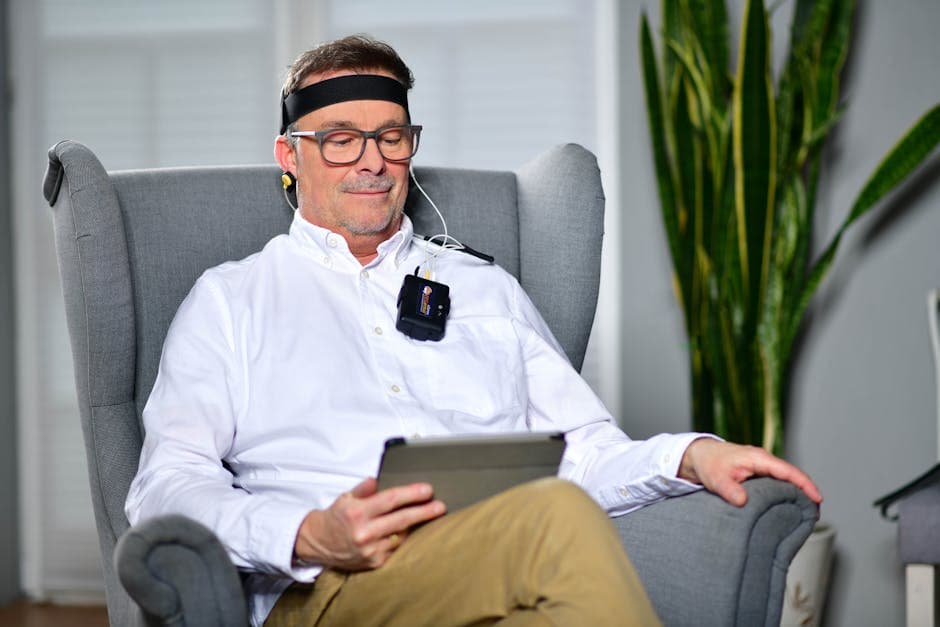
Photo by Mindfield Biosystems Ltd. on Unsplash
Quick answer
Neurofeedback uses EEG monitoring and visual feedback to help individuals learn to regulate brainwave patterns.
Neurofeedback systems measure brain activity through EEG sensors and provide visual or auditory feedback.
Neurofeedback is a type of biofeedback that uses real-time displays of brainwave activity to help individuals learn self-regulation techniques. Research explores its applications in attention disorders, anxiety, and sleep regulation.
Neurofeedback training should be conducted by trained professionals.
Written by
Gyfts Editorial Team
Editorial team at Gyfts researching holistic health modalities.
Reviewed by
Dr. Ava Gardner
Integrative Medicine Researcher
MB BCh BAO, MSc Integrative Medicine, MRCGP
Dr. Ava Gardner is a Dublin-based integrative medicine physician with over 15 years of clinical experience bridging conventional general practice and evidence-based complementary care. She holds a Masters in Integrative Medicine from the University of Arizona and has worked extensively in chronic pain management, women's hormonal health, and mind-body medicine. Dr. Gardner reviews health content for Gyfts to ensure clinical accuracy, balanced evidence presentation, and responsible safety guidance across modality and condition pages.
View full profile →These practitioners have chosen to be featured on Gyfts.
Studies investigate neurofeedback for attention training and emotional regulation.
11 June 2025

Sessions involve monitoring brainwave activity while participants interact with feedback systems.
11 May 2025
Highly rated practitioners specialising in this modality.




