When Your Brain Changes Your Mind
A 65-year-old retired teacher arrives at clinic with her daughter, who describes how her mother has become increasingly agitated and suspicious over recent months. "She's convinced the neighbours are stealing from her garden," the daughter explains. "She's never been like this before." Standard psychiatric assessment might focus solely on paranoid thoughts and mood changes. Neuropsychiatry takes a different approach — examining how brain structure and function might be driving these new behaviours.
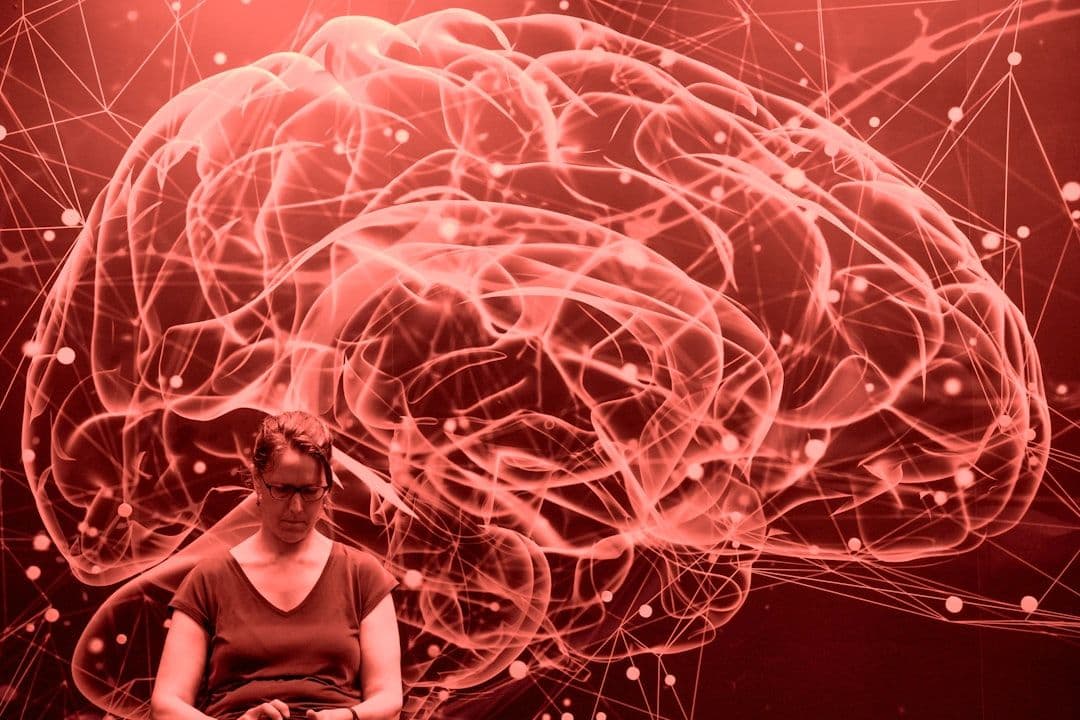
Neuropsychiatry represents medicine's recognition that the mind and brain are inextricably linked. This specialised field addresses mental health conditions where neurological dysfunction plays a central role, rather than treating psychiatric symptoms in isolation. Unlike general psychiatry, which may focus primarily on psychological and social factors, neuropsychiatry specifically investigates how brain changes — whether from injury, disease, or developmental differences — manifest as psychiatric symptoms.
From Alienists to Brain Scanners
The roots of neuropsychiatry stretch back to the 19th century, when physicians first recognised connections between brain lesions and behavioural changes. Early neurologists like Jean-Martin Charcot and Carl Wernicke documented how specific brain injuries produced predictable psychiatric symptoms, laying groundwork for understanding brain-behaviour relationships.
The field diverged into separate neurology and psychiatry disciplines throughout the 20th century, before reuniting as brain imaging technology advanced. The development of CT scans in the 1970s, followed by MRI and PET imaging, allowed clinicians to visualise brain structure and function in living patients. This technological revolution enabled precise correlation between brain changes and psychiatric presentations.
Today's neuropsychiatry has evolved into a sophisticated specialty supported by organisations like the Royal College of Psychiatrists' Faculty of Neuropsychiatry. Modern practitioners integrate traditional clinical assessment with cutting-edge neuroscience, treating conditions that span the neurology-psychiatry interface.
Mapping Brain to Behaviour
Neuropsychiatric assessment begins with detailed history-taking that explores both psychiatric symptoms and neurological function. Practitioners examine when symptoms began, their progression, and any associated neurological signs like memory problems, movement changes, or sensory disturbances. This dual focus distinguishes neuropsychiatric evaluation from standard psychiatric assessment.
The examination itself combines psychiatric mental state assessment with neurological testing. Practitioners evaluate cognitive function, motor skills, reflexes, and sensory responses alongside mood, thought patterns, and behaviour. Brain imaging — whether structural MRI to identify lesions or functional scans to assess brain activity — often provides crucial diagnostic information.
From a biomedical perspective, neuropsychiatry recognises that psychiatric symptoms can arise from disrupted brain circuits. Depression following stroke, for example, often results from damage to mood-regulating brain regions rather than purely psychological response to disability. Understanding these specific brain-behaviour relationships allows for targeted treatment approaches that address both neurological and psychiatric aspects of the condition.
Who Benefits from This Approach
Neuropsychiatry proves particularly valuable for people whose psychiatric symptoms emerged following brain injury, stroke, or neurodegenerative disease. Individuals with traumatic brain injury experiencing personality changes, mood swings, or cognitive difficulties often benefit from neuropsychiatric assessment that can distinguish injury-related symptoms from pre-existing mental health conditions.
People with dementia represent another key group, especially when behavioural symptoms like agitation, sleep disturbance, or mood changes accompany cognitive decline. Neuropsychiatric evaluation can identify specific brain changes driving these behaviours, leading to more effective management strategies than general psychiatric approaches.
Those with epilepsy experiencing mood changes, anxiety, or psychotic symptoms also benefit significantly. Neuropsychiatric assessment can determine whether symptoms relate to seizure activity, medication effects, or the underlying brain dysfunction causing epilepsy — distinctions crucial for appropriate treatment selection.
Inside a Neuropsychiatric Consultation
Initial consultations typically last 60-90 minutes, significantly longer than standard psychiatric appointments. The practitioner spends considerable time exploring symptom timeline, gathering detailed medical history, and conducting comprehensive mental state and neurological examination. Family members often provide crucial information about behavioural changes that patients themselves may not recognise.
Cognitive testing frequently forms part of the assessment, using standardised tools to evaluate memory, attention, language, and executive function. These tests help identify specific cognitive patterns associated with different neurological conditions. Physical examination includes checking reflexes, coordination, and sensory function to identify neurological signs that might explain psychiatric symptoms.
Subsequent sessions focus on treatment implementation and monitoring. Follow-up appointments typically occur every 4-8 weeks initially, allowing practitioners to adjust medications and assess treatment response. The approach emphasises collaboration between patient, family, and healthcare team to address both neurological and psychiatric aspects of the condition.
The Evidence Base
Research consistently supports neuropsychiatric approaches for specific conditions. Studies demonstrate significant improvement in behavioural symptoms of dementia when neuropsychiatric assessment identifies and addresses underlying brain changes rather than treating symptoms as purely psychiatric. Meta-analyses show better outcomes for post-stroke depression when treated with neuropsychiatrically-informed approaches compared to standard psychiatric care.
Evidence is particularly strong for epilepsy-related psychiatric symptoms, where neuropsychiatric assessment can distinguish between seizure-related mood changes and independent psychiatric conditions. Clinical trials demonstrate improved quality of life and reduced hospitalisations when these distinctions guide treatment decisions.
However, the evidence base remains uneven across conditions. While robust data supports neuropsychiatric approaches for dementia and stroke-related symptoms, research is more limited for some traumatic brain injury presentations and rare neurological conditions. The field continues evolving as brain imaging technology advances and our understanding of brain-behaviour relationships deepens.
Accessing Neuropsychiatric Care
Neuropsychiatric services typically require GP referral, with waiting times varying from 6-16 weeks depending on location and urgency. NHS neuropsychiatry services are available in most regions, though private consultation costs range from £300-600 for initial assessment. Treatment often involves multiple healthcare professionals, including neuropsychiatrists, clinical psychologists, and occupational therapists.
When seeking neuropsychiatric assessment, look for practitioners with dual training in psychiatry and neurology. Many hold membership in both the Royal College of Psychiatrists and relevant neurological organisations. Specialists should be registered with the General Medical Council and ideally have subspecialty certification in neuropsychiatry.
Practitioners often work within multidisciplinary teams including neuropsychologists, who provide detailed cognitive assessment, and specialist nurses who coordinate care between services. This team approach reflects the complexity of neuropsychiatric conditions and the need for comprehensive, coordinated treatment addressing both brain dysfunction and its psychological impacts.