Preparing for Your Session
Wear clothes you don't mind getting dusty — clay particles can settle on fabric despite protective aprons. Old jeans and a cotton t-shirt work well. Remove rings, watches, and bracelets as clay will stick to metal and crevices. Keep fingernails short to prevent clay buildup.
Eat a light meal 1-2 hours beforehand. Working with clay can be surprisingly physical, and an empty stomach may leave you feeling lightheaded. Avoid heavy moisturisers on your hands that morning, as they can create a barrier between you and the clay's texture.
Bring a small towel if you have sensitive skin, though most studios provide these. Some people find the mineral-rich clay initially drying, particularly those with eczema or dermatitis. If you wear contact lenses, consider bringing your glasses — clay dust can occasionally cause irritation.
The Session Experience
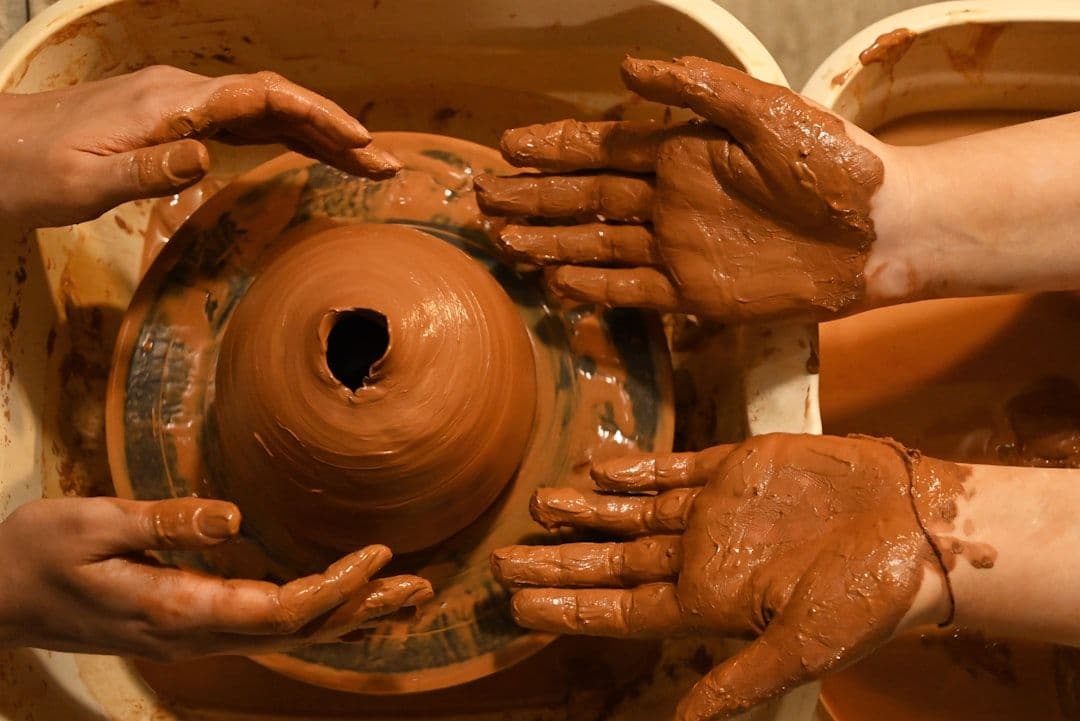
You'll typically start with 5-10 minutes of gentle breathing exercises while handling raw clay. The therapist guides you to notice the clay's temperature, weight, and texture. This initial contact often feels cool and slightly gritty, gradually warming and smoothing as your hands work the material.
The main work phase lasts 30-40 minutes. You might begin with simple techniques — rolling, pinching, or pressing — without any goal beyond exploration. Some sessions involve guided imagery where you create shapes that represent feelings or memories. Others are completely open-ended, allowing whatever emerges to take form.
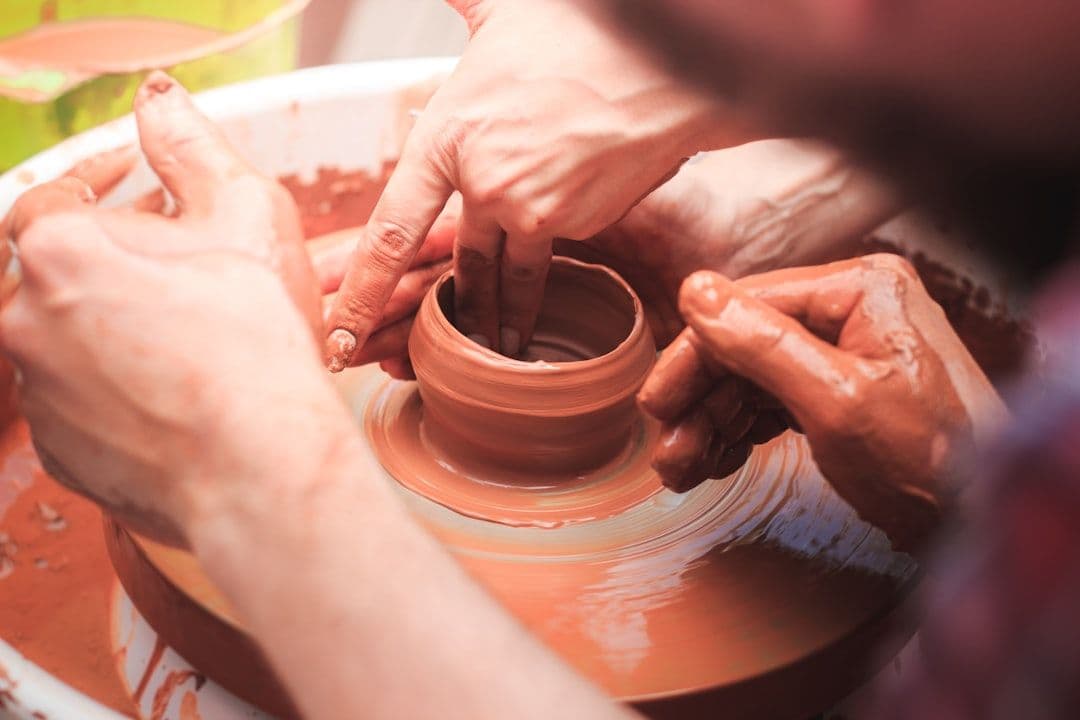
The studio atmosphere remains deliberately quiet, with perhaps soft instrumental music. You'll hear the subtle sounds of clay being worked, the occasional scrape of tools, and the gentle hum of pottery wheels if others are present. The therapist may offer gentle prompts — "Notice what happens when you press harder" or "What does this shape remind you of?" — but won't interpret your work unless you invite discussion.
Sessions conclude with a reflection period where you step back from your creation. This isn't art critique but emotional processing — how did the clay feel? What surprised you? The therapist might ask what you'd like to do with your piece: keep it, reshape it, or let it return to raw clay.
What You Might Experience
Physical sensations often prove more pronounced than expected. Your hands may feel sensitised for several hours, noticing textures more acutely than usual. Some people report a pleasant heaviness in their arms from the rhythmic movements, while others feel energized by the tactile stimulation.
Emotionally, responses vary considerably. Many describe a sense of present-moment awareness that feels similar to meditation. Others find unexpected emotions surfacing — tears, laughter, or frustration may emerge without obvious triggers. This isn't unusual; clay work often accesses feelings that haven't found verbal expression.
Some people leave feeling deeply relaxed, while others feel emotionally stirred up. Both responses are normal. The non-verbal nature of the work means your conscious mind might take time to process what occurred during the session.
Don't expect immediate insights. Pottery therapy often works subtly, with realisations emerging days later through dreams, conversations, or moments of quiet reflection.
Aftercare and Integration
Wash your hands thoroughly but avoid harsh scrubbing — clay residue under nails or in skin creases will naturally work its way out. Apply a gentle moisturiser if your hands feel dry, though many people enjoy the lingering tactile sensitivity.
Avoid making major decisions or having difficult conversations for a few hours if you feel emotionally stirred. The session may have loosened psychological material that needs time to settle. Instead, engage in gentle activities — walking, journaling, or listening to music.
Some people find their sleep patterns shift slightly after initial sessions, often sleeping more deeply. Vivid dreams aren't uncommon, particularly in the first few weeks of regular practice.
Keep a simple journal noting physical sensations and emotional observations in the 24-48 hours following sessions. These patterns often reveal therapeutic themes that develop over time.
Session Frequency and Progression
Most practitioners recommend weekly sessions initially, allowing time for integration between meetings. An initial course typically involves 6-8 sessions, after which you and your therapist can evaluate whether to continue.
Early sessions focus on clay familiarisation and establishing comfort with the medium. By the third or fourth session, many people notice they're working with clay differently — perhaps more boldly or with greater attention to detail. These shifts often mirror changes in how you approach challenges outside the studio.
Longer-term work might involve specific projects that unfold over multiple sessions, or seasonal intensives where you work with clay daily for a week. Some people develop an ongoing practice, attending monthly sessions for continued self-exploration.
The therapeutic relationship develops gradually. Your comfort with both the clay and the therapist typically determines how deeply you can engage with the process.