What it is
Pottery therapy uses clay work as a hands-on, non-verbal way to express emotions.
Pottery Therapy is a creative therapeutic practice that uses clay and pottery-making to facilitate emotional expression, reduce stress, a...
At a glance
What it is
Pottery therapy uses clay work as a hands-on, non-verbal way to express emotions.
Why explore it
Working with clay may help you process feelings that are hard to put into words.
How it’s experienced
A trained therapist guides you through clay work—no artistic skill or experience needed.
Evidence context
Early research looks promising, but large studies are limited and outcomes vary by person.
See the evidence snapshotSafety
Generally low-risk, though hand conditions or dust sensitivities may need practitioner guidance.
See staying safeHistory & Origin
Pottery Therapy involves the therapeutic use of pottery and clay for emotional expression, creativity, and healing.
Pottery and clay-working have been used therapeutically in various forms throughout human history, though formalized pottery therapy as a complementary health practice emerged in the 20th century alongside the broader art therapy movement. The roots of therapeutic clay work can be traced to occupational therapy programs in the early 1900s, where crafts including pottery were recognized for their rehabilitative and psychological benefits. Art therapy pioneers in the mid-20th century, particularly those influenced by psychoanalytic and humanistic psychology, began to systematize clay-based approaches as legitimate therapeutic modalities. The practice gained significant momentum from the 1970s onward, as mental health professionals recognized the unique value of tactile, three-dimensional creative expression in processing emotions and trauma that might be difficult to articulate verbally.
Mechanism
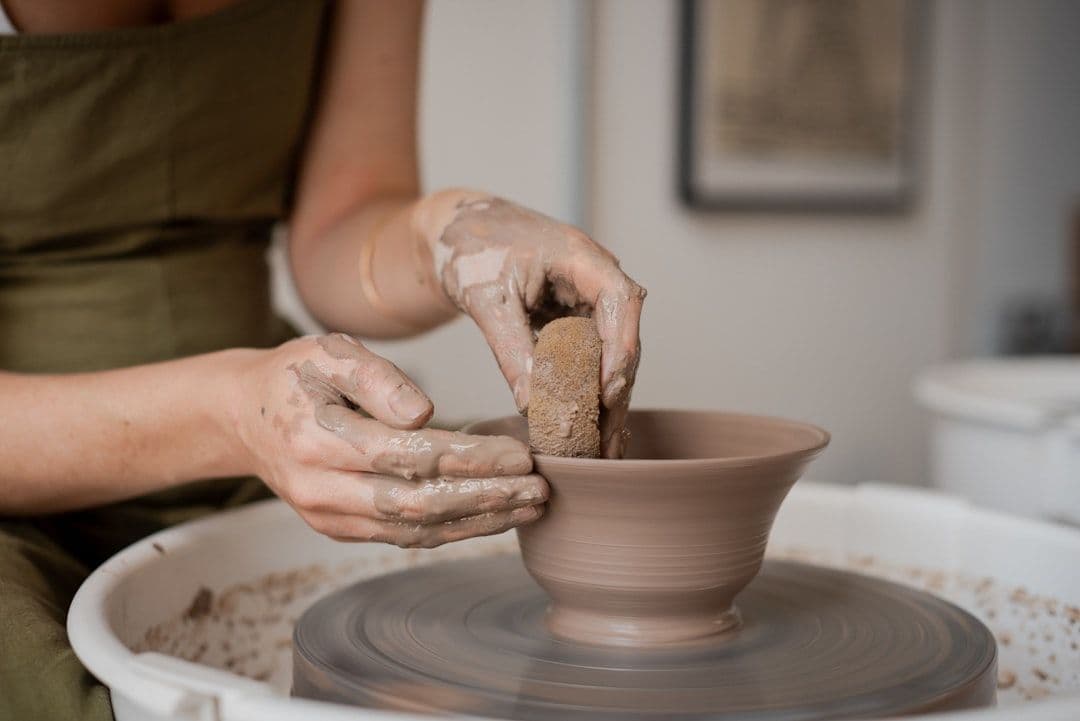
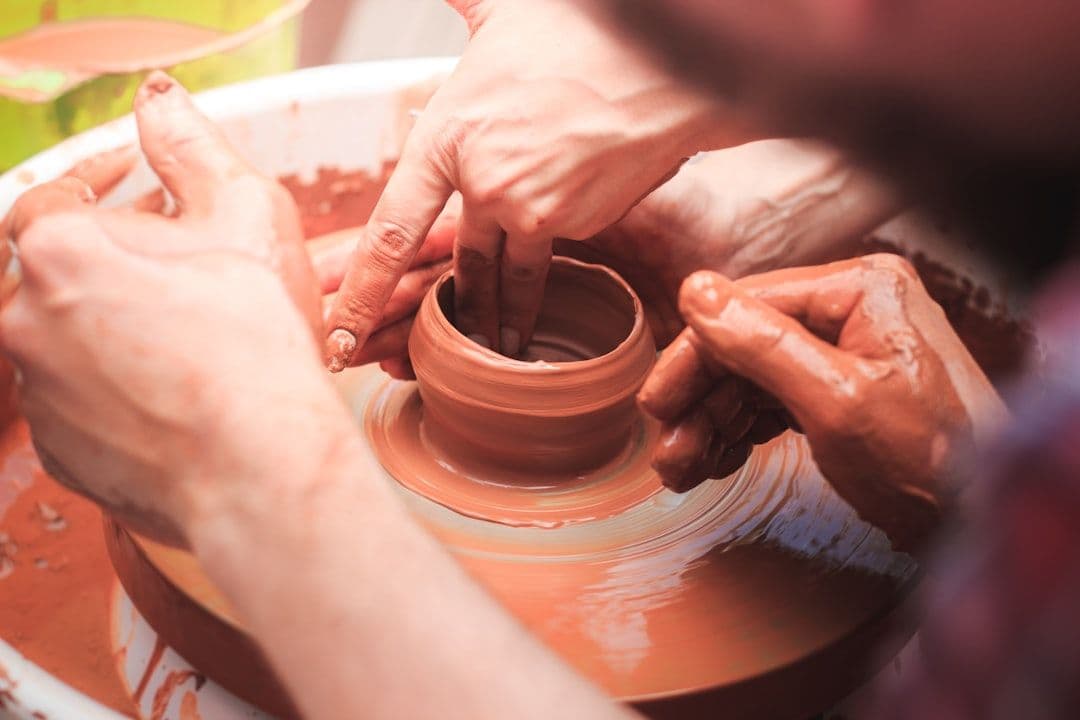
Pottery Therapy is generally framed as a guided process for attention, reflection, learning, and emotional integration. Depending on the method, a practitioner may use conversation, imagery, structured exercises, body awareness, or therapeutic techniques to help the person explore patterns and choices. It should not be presented as a standalone solution or a substitute for urgent care, but it may support self-understanding when practiced within an appropriate scope. Pottery therapy engages participants in hands-on clay work—including hand-building, wheel-throwing, and sculpting—under the guidance of a trained facilitator.
Your first visit
A typical session outline to help you feel prepared
A pottery therapy session blends hands-on clay work with guided reflection, helping you explore emotions through touch and creativity — no experience required.
Your practitioner greets you and asks how you're feeling today, creating a relaxed space before any clay is touched. There's no pressure to share deeply right away.
You'll be invited to name something loose — a feeling, a question, or simply an openness — to hold in mind as you work with the clay. This doesn't need to be specific or wordy.
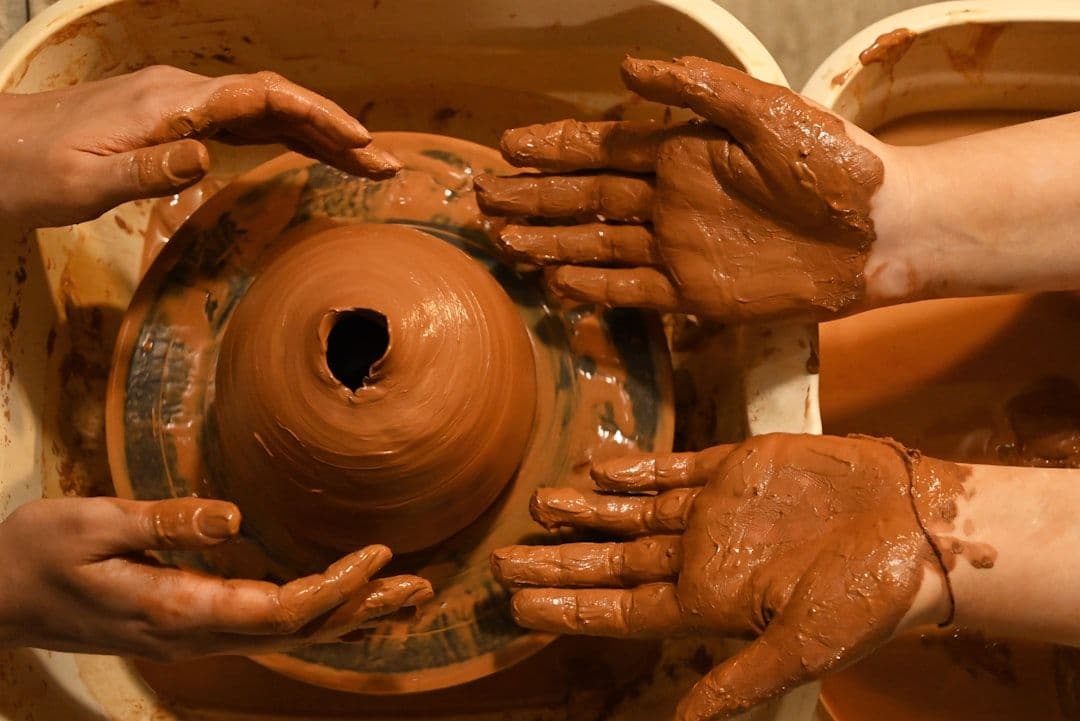
The practitioner introduces you to the clay and demonstrates basic techniques like pinching, coiling, or wedging. You'll feel the weight and texture as you get comfortable handling it.
You'll begin shaping the clay however feels natural, guided gently by your practitioner. This might be freeform building, wheel-throwing, or simply kneading — whatever matches where you are emotionally.
As you work, your practitioner may ask soft, open questions about what you're noticing — in your hands, your body, or your thoughts. Feelings of calm, frustration, or surprise are all welcome here.
Near the end of the clay portion, you'll pause and look at what you've created without judgment. Your practitioner may invite you to notice what the piece looks like or what it brought up.
You'll spend a few minutes talking through the experience — what felt meaningful, difficult, or unexpected. This conversation is where the clay work connects to your inner world.
Your practitioner wraps up with a grounding moment and discusses whether you'd like to return for follow-up sessions. Your piece can often be kept, dried, or fired depending on the studio setup.
The Evidence
What research says about pottery therapy, its mechanisms, and how it fits within the broader art therapy evidence base.
Promising early findings, limited pottery-specific research
Pottery therapy draws on a growing art therapy evidence base showing benefits for stress, anxiety, and emotional processing. Evidence specific to pottery is limited but consistent with broader findings, and the practice is considered low-risk for most people.
Art therapy broadly has accumulated research supporting stress reduction, anxiety relief, and emotional processing. Pottery therapy shares these foundations, with small studies and qualitative work showing reduced cortisol and improved wellbeing. Most pottery-specific evidence is preliminary, with few large controlled trials. Findings are promising but should be interpreted cautiously.
As an Alternative modality, pottery therapy operates outside conventional clinical pathways but is often used alongside mainstream mental health support. It is best understood as a complementary creative tool rather than a standalone intervention for serious conditions. Its value lies in facilitating expression and self-awareness, not in replacing professional assessment or care.
The repetitive, sensory nature of clay work is believed to activate the parasympathetic nervous system, supporting a calmer physiological state. Clay's resistance and responsiveness may also foster a sense of agency and control. These mechanisms align with established principles in somatic and expressive therapies, though direct evidence for pottery specifically remains limited.
Clay-based therapeutic work emerged formally in early 1900s occupational therapy, where crafts were recognised for rehabilitative value. Art therapy pioneers later systematised clay approaches within psychoanalytic and humanistic frameworks. By the 1970s, pottery therapy had gained recognition as a distinct expressive modality, valued for its capacity to access emotions difficult to articulate verbally.
Those experiencing severe mental health symptoms should consult a qualified professional before starting. People with hand, wrist, or joint conditions should discuss modifications with their practitioner. Ensure glazes and materials are non-toxic and workspaces are well-ventilated. Pottery therapy is a supportive complement to professional care, not a substitute for it.
Most studies are small, qualitative, or use mixed designs, limiting the strength of conclusions. Pottery therapy is not appropriate as a sole intervention for serious mental health conditions. Inflated outcome claims are not supported by current evidence. Individuals with complex needs should ensure pottery therapy is part of a broader, professionally guided care plan.
Safety first
General guidance to help you decide whether this approach is appropriate for you. This is informational only and not a substitute for medical, psychological, or professional advice.
If you are pregnant, managing a health condition, recovering from injury or surgery, or taking medication, consult a qualified healthcare professional first.
Some situations call for extra care or a different approach. Share any conditions, injuries, or sensitivities with your practitioner before your first session.
Look for clear boundaries, transparent pricing, and practitioners who avoid fear-based claims or pressure to book frequent sessions.
Mild, short-lived effects such as tenderness, tiredness, or temporary soreness can occur. Rest, hydrate, and tell your practitioner how you respond.
For you?
A simple, human way to weigh it up. This is general guidance, not personal medical advice — a qualified practitioner can advise on your situation.
Gyfts is a discovery platform, not a medical provider. Nothing here diagnoses, treats or replaces professional care. In an emergency, contact your local emergency number.
Explore approaches
Other practices people often explore alongside pottery therapy.
In their words
FAQ
No artistic skill is required or expected. Pottery therapy is about the process of working with clay and what emerges emotionally, not about creating beautiful or technically correct pieces. The focus is entirely on your inner experience, not on artistic outcomes.
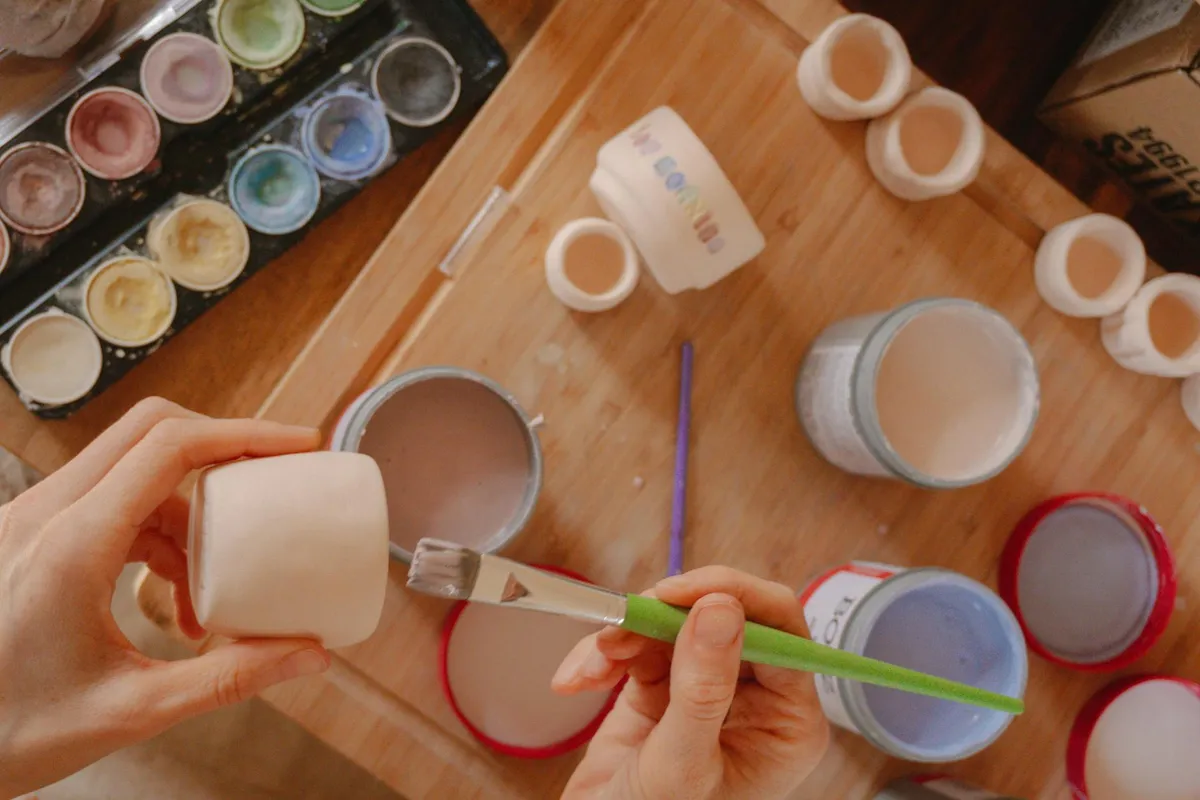
This varies by practitioner and your preference. Some practitioners encourage you to keep pieces as symbolic reminders; others invite you to photograph the work and then deconstruct it, symbolizing release. Some pieces may be fired and glazed if you wish. The therapeutic value lies in the process, not in keeping the final object.
Many people report feeling calmer and more emotionally open after a single session. However, meaningful emotional processing and lasting insight typically develop over 4-8 sessions or more. Consistent engagement allows deeper exploration and integration. Individual timelines vary based on your goals and starting point.
Yes, pottery therapy can be highly effective for children, as it offers a developmentally appropriate way to express emotions and process experiences. Children often find clay work intuitive and enjoyable. Practitioners trained in child-centered approaches will adapt sessions to the child's age and developmental level.
Pottery therapy can support trauma recovery by providing a safe, non-verbal channel for emotional expression and somatic (body-based) processing. However, it works best as part of a comprehensive trauma treatment plan that may include trauma-informed therapy, somatic work, or other evidence-based approaches. Always inform your practitioner about trauma history so they can adapt the work appropriately.
In pottery classes, the focus is on learning technique and creating finished pieces. In pottery therapy, the emphasis is on the therapeutic process, emotional expression, and self-discovery; technique is secondary and adapted to support your healing. A pottery therapy session is structured as a therapeutic interaction, not an art lesson.
References
Educational sources that inform this overview. Inclusion is for context and does not imply endorsement.
Full citations are maintained by the Gyfts editorial team and reviewed periodically.
Keep exploring
Browse practitioners, explore honest overviews, and take what you learn to a conversation — at your own pace.