Before You Arrive
Eat a light meal 1-2 hours beforehand rather than arriving hungry or overly full—pregnancy can make both extremes uncomfortable when lying on your side. Wear loose, comfortable clothing that's easy to remove; most therapists will provide draping, but some prefer you keep underwear on for comfort.
Bring your maternity notes if you have them, particularly if this is your first visit to this practitioner. They'll want to know your due date, any pregnancy complications, and which trimester you're in. Cancel if you're feeling unwell, experiencing unusual symptoms, or have had any bleeding—prenatal massage is wonderfully relaxing, but pregnancy requires extra caution.
Arrive 10 minutes early for paperwork. The intake form will ask about your pregnancy history, current symptoms, and any areas of particular discomfort. Be specific about where you're feeling tension—many therapists can adapt their approach based on whether you're dealing with round ligament pain, sciatica, or general lower back ache.
The Session Itself
Your therapist will show you the specially designed table or cushioning system they use. Most prenatal massage uses side-lying positions with bolsters supporting your bump, back, and legs—you'll never lie flat on your stomach or back. The positioning takes a few minutes to get right, and good therapists will adjust pillows until you're genuinely comfortable.
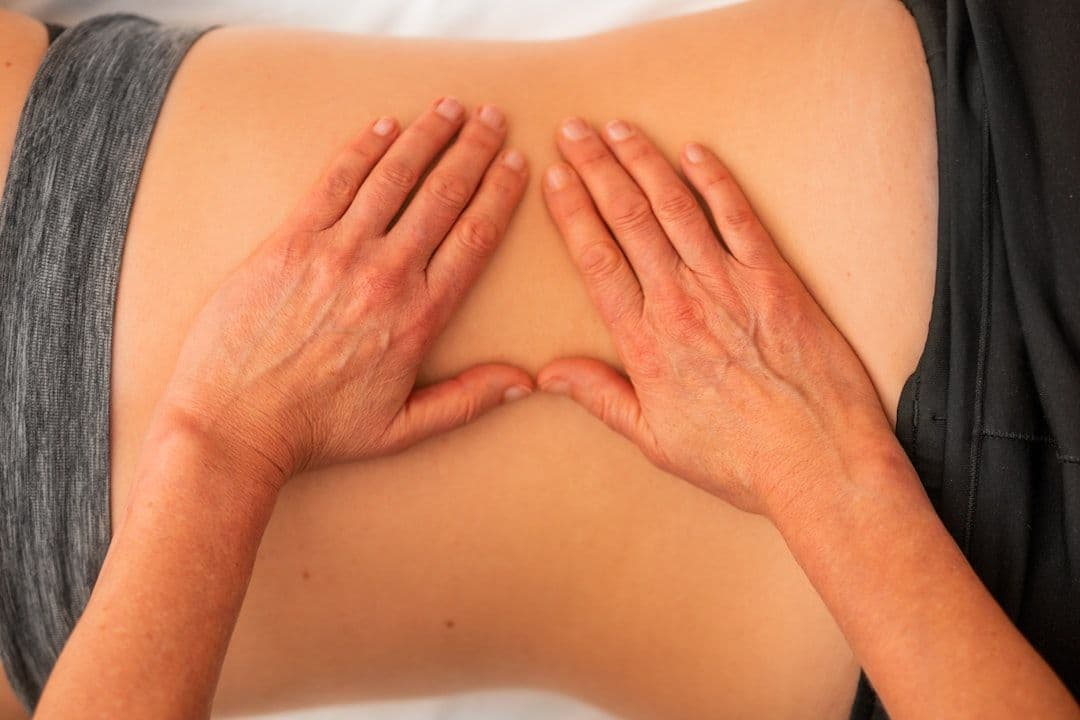
The first 10 minutes typically involve gentle, broad strokes to help you settle and allow the therapist to assess your muscle tension. You'll notice the pressure is considerably lighter than standard massage—firm enough to address tight spots, but never deep enough to cause discomfort. The focus shifts between your lower back, where pregnancy posture creates the most strain, and your legs, where circulation often needs support.
Mid-session, around 20-30 minutes in, many therapists will have you turn to the other side to work both sides of your body evenly. This repositioning is built into the treatment and gives them access to different muscle groups. The final 15-20 minutes often concentrates on areas you've specifically mentioned—whether that's aching hips, tight shoulders from carrying extra weight, or swollen ankles.
Throughout the 60-minute session, communication is key. Pregnancy changes how your body responds to touch, and what feels good can shift even during a single treatment. Most therapists will check in regularly about pressure and comfort.
What You Might Experience
During the session, many women report a profound sense of relaxation that's different from regular massage. The gentler pressure can feel surprisingly effective—your muscles may release tension without the intensity you might expect. Some people feel emotional during treatment; pregnancy hormones combined with therapeutic touch can bring up feelings of vulnerability or relief.
Physically, you might notice your breathing deepening and your baby moving more or less than usual. Both responses are normal. The improved circulation often makes your legs feel lighter, particularly if you've been experiencing swelling. Some women feel slightly dizzy when getting up—this is why therapists help you sit up slowly.
After the session, expect to feel relaxed but possibly quite tired. This isn't unusual; pregnancy already demands enormous energy, and massage can intensify your body's natural rest response. Many women sleep particularly well the night after prenatal massage. You might also notice reduced muscle tension for several days, especially in your lower back and hips.
Occasionally, some women experience mild soreness the next day, similar to after gentle exercise. This typically resolves within 24 hours and often indicates that chronically tight muscles are beginning to release.
Aftercare and Recovery
Drink plenty of water following your session—pregnancy already increases your fluid needs, and massage supports circulation in ways that require good hydration. Avoid hot baths or saunas for the rest of the day; your circulation will be enhanced, and additional heat could make you feel faint.
Plan for a quiet evening if possible. Many women find they want to rest after prenatal massage, and honouring this urge often extends the benefits. Gentle walking is fine, but this isn't the day for intense exercise or stressful activities.
Pay attention to how you feel over the following 48 hours. Benefits often include better sleep, reduced muscle tension, and improved mood—effects that can last several days. If you experience any unusual symptoms like increased swelling, pain, or changes in baby's movement patterns, contact your midwife or GP as a precaution.
Some practitioners recommend specific stretches or positioning techniques you can use at home between sessions. These are usually simple movements that support the work done during treatment and help maintain the benefits longer.
Treatment Frequency and Duration
Most practitioners recommend starting prenatal massage during the second trimester when morning sickness has settled and the risk of early pregnancy complications has decreased. Weekly sessions are ideal if you're experiencing significant discomfort, though fortnightly appointments work well for general wellness and stress management.
A typical course might involve monthly sessions during the second trimester, increasing to fortnightly or weekly as you approach your due date and physical demands intensify. Some women continue right up until labour begins, finding that regular massage helps them cope with the increasing physical challenges of late pregnancy.
The cumulative benefits become more apparent with regular sessions—your body learns to release tension more readily, and the practitioner develops understanding of your specific patterns and needs. Research suggests that women receiving regular prenatal massage from 20 weeks onwards report better pain management and reduced anxiety compared to those receiving occasional treatments.
After birth, many practitioners offer postnatal massage to address the physical recovery from labour and the postural demands of feeding and carrying a newborn. This creates a continuity of care that many women find valuable during the transition to motherhood.