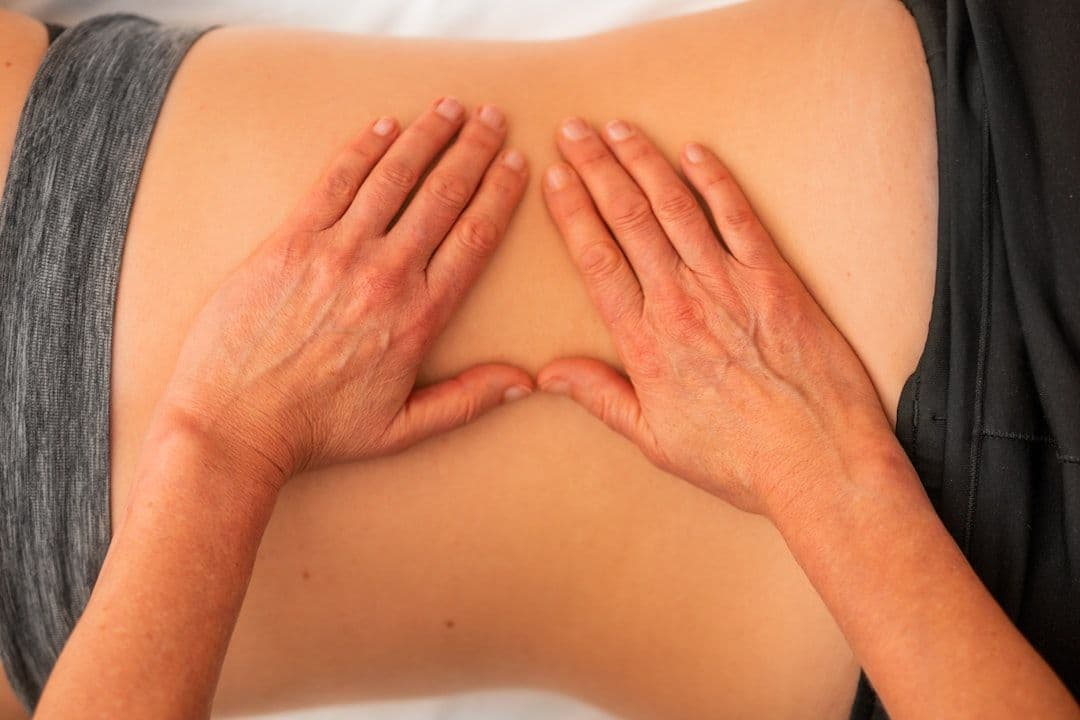
What it is
Pregnancy-adapted massage that supports your shifting body through every trimester.
Prenatal massage is a therapeutic massage technique specifically adapted for pregnant individuals to address the unique physical and emot...

At a glance
What it is
Pregnancy-adapted massage that supports your shifting body through every trimester.
Why explore it
May ease back pain, swelling, and anxiety while supporting better sleep and emotional balance.
How it’s experienced
You rest on your side with pillow support while a therapist gently works your back, hips, and legs.
Evidence context
Early research looks promising for pain and anxiety relief, though more large studies are still needed.
See the evidence snapshotSafety
Generally safe with a certified prenatal therapist, but check with your provider if your pregnancy is high-risk.
See staying safeHistory & Origin
Prenatal Massage involves therapeutic massage techniques designed specifically for expectant mothers.
Massage therapy for pregnant women has roots in traditional healing practices across many cultures, including Ayurvedic medicine in India, Traditional Chinese Medicine, and various indigenous healing traditions that recognized the value of touch during pregnancy. In the modern era, prenatal massage emerged as a distinct specialization in the latter half of the 20th century as Western massage therapy became professionalized and practitioners began studying the specific anatomical and physiological changes of pregnancy.
The formalization of prenatal massage techniques accelerated during the 1980s and 1990s, driven by growing interest in natural childbirth and complementary approaches to maternity care. Pioneer practitioners and educators developed specialized training protocols, bolstered by anecdotal reports of reduced labor duration, decreased pain perception, and improved emotional well-being among pregnant clients. Organizations began certifying practitioners in prenatal massage, establishing guidelines for safe positioning, pressure techniques, and contraindications.
The modality gained further credibility as midwifery and obstetric communities began acknowledging the role of massage in managing common pregnancy discomforts like lower back pain, sciatica, and swelling. Today, prenatal massage is offered in hospitals, birthing centers, private practices, and wellness facilities worldwide, often integrated into comprehensive perinatal care approaches. Its growth reflects broader acceptance of complementary therapies as adjuncts to conventional obstetric care.
Mechanism
Prenatal Massage is generally described as working through skilled touch, careful pacing, and the body's response to pressure, movement, warmth, or stillness. Practitioners may focus on muscle tone, joint comfort, circulation, breath, or relaxation depending on the method. Traditional explanations may also include energy flow or whole-person balance. Research support varies by modality, so the experience is best framed as supportive care with outcomes that vary. Prenatal massage uses sustained pressure, kneading, and gentle stretching adapted for pregnancy's anatomical changes—focusing on areas of high tension such as the lower back, hips, and shoulders where postural strain intensifies.
Your first visit
A typical session outline to help you feel prepared
A prenatal massage is a gentle, supportive session designed to ease the physical discomforts of pregnancy using positioning and techniques tailored specifically for expecting moms.
Your therapist will ask about your trimester, any pregnancy complications, areas of tension or discomfort, and whether your provider has cleared you for massage. This helps them personalize every part
Rather than lying flat on your stomach, you'll be carefully settled onto your side or into a semi-reclined position using a nest of supportive pillows and bolsters designed specifically for pregnant b
You'll take a few slow breaths as your therapist makes final adjustments to draping and pillows, ensuring you feel warm, secure, and relaxed. Consent for touch and pressure preferences is confirmed be
Your therapist works along the lower back, sacrum, and hips using slow, flowing strokes to ease the tension that builds from carrying extra weight and shifting posture. You may feel a deep sense of re
Gentle strokes address the calves and feet, where swelling and fatigue often collect during pregnancy. Your therapist will avoid deep pressure on certain areas and keep circulation-supportive techniqu
Attention moves to the upper back, shoulders, and neck, where tension from postural changes and stress commonly gathers. Strokes are nurturing and moderate, never deep or forceful, to keep everything
Your therapist gradually lightens their touch and uses long, calming strokes to signal to your nervous system that the session is closing. You may feel deeply relaxed, a little drowsy, and wonderfully
Your therapist will help you transition slowly to sitting upright, giving you a moment before standing to avoid any light-headedness. They'll offer hydration reminders, suggest positions or stretches
The Evidence
What the research shows, where it falls short, and what to consider when exploring prenatal massage as part of your care.
Promising findings, but research has real limitations
Small trials and observational studies suggest prenatal massage may reduce back pain, anxiety, and sleep disruption during pregnancy. The evidence is encouraging but not definitive, and findings vary across populations and study designs.
Studies have reported reductions in lower back pain, anxiety, depression symptoms, and sleep disturbance among pregnant women receiving regular massage. Some research links prenatal massage to shorter labor duration and fewer interventions, but these findings are not consistently replicated. The overall evidence is promising rather than conclusive.
Most studies are small, cannot be blinded, and often involve self-selected participants who are already motivated to engage with complementary care. Measurement methods vary widely across studies, and findings from one trimester or population may not apply broadly. These limitations mean results should be interpreted with appropriate caution.
As a complementary modality, prenatal massage is designed to work alongside obstetric and midwifery care rather than replace it. It may help manage discomfort and emotional load during pregnancy, but it does not substitute for professional assessment or medical management of pregnancy-related conditions.
Women with high-risk pregnancies, placental abnormalities, preeclampsia, or a history of miscarriage should consult their obstetrician or midwife before starting. Deep tissue pressure and intense techniques are not appropriate during pregnancy. If you experience bleeding, severe abdominal pain, or contractions, seek medical attention before any massage session.
Look for a therapist with specific certification or training in prenatal massage, as pregnancy requires modified techniques, positioning, and awareness of contraindications. Ask about their experience working across trimesters and whether they coordinate with maternity care providers. Regulation and certification standards vary by country, so check what applies in your region.
The strongest signals in the literature relate to lower back pain, sciatic discomfort, anxiety, and sleep quality. Evidence for outcomes like labor duration or intervention rates is less consistent. For conditions such as preeclampsia or gestational diabetes, massage is not an evidence-based intervention and medical management remains essential.
Safety first
General guidance to help you decide whether this approach is appropriate for you. This is informational only and not a substitute for medical, psychological, or professional advice.
If you are pregnant, managing a health condition, recovering from injury or surgery, or taking medication, consult a qualified healthcare professional first.
Some situations call for extra care or a different approach. Share any conditions, injuries, or sensitivities with your practitioner before your first session.
Look for clear boundaries, transparent pricing, and practitioners who avoid fear-based claims or pressure to book frequent sessions.
Mild, short-lived effects such as tenderness, tiredness, or temporary soreness can occur. Rest, hydrate, and tell your practitioner how you respond.
For you?
A simple, human way to weigh it up. This is general guidance, not personal medical advice — a qualified practitioner can advise on your situation.
Gyfts is a discovery platform, not a medical provider. Nothing here diagnoses, treats or replaces professional care. In an emergency, contact your local emergency number.
Explore approaches
Other practices people often explore alongside prenatal massage.
In their words
FAQ
Research and clinical experience suggest prenatal massage is generally safe for healthy pregnancies when performed by a trained prenatal massage therapist. However, it is important to have medical clearance from your obstetrician or midwife, particularly if you have a high-risk pregnancy or medical complications. A qualified practitioner will use appropriate positioning, moderate pressure, and avoid contraindicated techniques. Always ensure your massage therapist is specifically trained in prenatal work, not just a general massage therapist.
Many practitioners feel comfortable beginning prenatal massage after the first trimester, though some offer massage throughout pregnancy, including early months. Some healthcare providers recommend waiting until after the first trimester due to miscarriage concerns, though evidence does not specifically contraindicate massage in early pregnancy. Discuss timing with both your healthcare provider and massage practitioner to determine what is appropriate for your individual situation.
Frequency depends on your individual needs, symptoms, and preferences. Some women benefit from weekly sessions, particularly in the third trimester, while others find bi-weekly or monthly sessions sufficient. Your practitioner can recommend an appropriate schedule based on your pain levels, stress, and pregnancy symptoms. You can adjust frequency as needed, increasing sessions as labor approaches if desired.
Prenatal massage commonly addresses lower back pain, sciatica, hip and pelvic discomfort, swelling in the legs and feet, headaches, neck tension, muscle stiffness, anxiety, and sleep disturbances. While many women report relief from these symptoms, individual results vary. Some practitioners also report that regular massage may help prepare the body for labor, though evidence for this is limited.
Prenatal massage differs from regular massage in several important ways: positioning uses specialized pregnancy pillows to support the developing baby and avoid pressure on the abdomen; pressure is generally lighter than traditional massage; techniques are adapted to accommodate postural changes and avoid contraindicated areas; and the practitioner is trained in the anatomical and physiological changes of pregnancy. The overall approach is more gentle and emotionally supportive than deep tissue or sports massage.
Current evidence does not support the idea that properly performed prenatal massage induces labor or causes miscarriage. However, some traditional acupressure points are avoided by some practitioners due to theoretical concerns about uterine stimulation. If labor induction is a concern, discuss this with your practitioner and healthcare provider. Most evidence suggests that gentle, appropriate prenatal massage is safe and does not increase miscarriage risk.
Inform your prenatal massage therapist of your current pregnancy stage (trimester), any symptoms or pain, medical conditions, medications, previous miscarriages, complications, allergies, and any areas where you are particularly uncomfortable or sensitive. Also share your labor plans and any specific goals for the massage, such as pain relief or relaxation. This information ensures the therapist can tailor the treatment appropriately and safely.
References
Educational sources that inform this overview. Inclusion is for context and does not imply endorsement.
Full citations are maintained by the Gyfts editorial team and reviewed periodically.
Keep exploring
Browse practitioners, explore honest overviews, and take what you learn to a conversation — at your own pace.