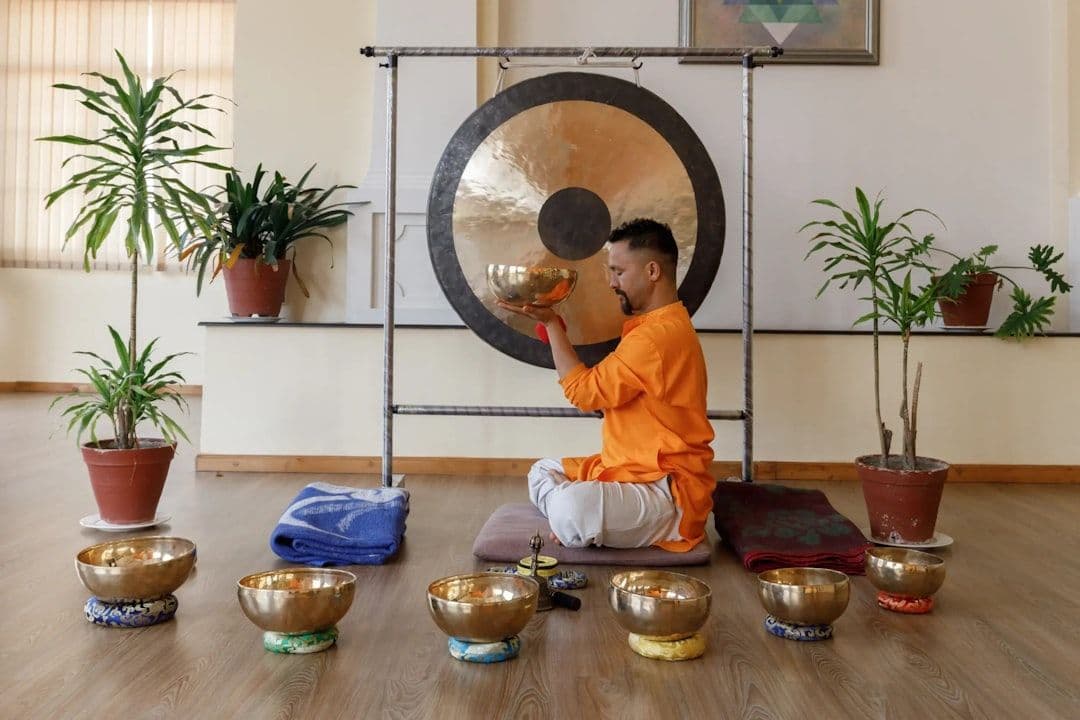
Why Practitioners Choose This Modality
I first encountered sound bath during a particularly challenging period in my own wellness journey, and the simplicity of its mechanism—using vibration to calm the nervous system—immediately resonated with my holistic philosophy. Over years of practice, I've come to appreciate why sound therapy draws dedicated practitioners: it works with the body's innate ability to self-regulate rather than against it.
What drew me most deeply is how sound transcends the intellectual barriers that often block healing. When someone arrives stressed, their analytical mind is frequently in overdrive, defensive, analyzing every sensation. Sound bypasses that. The vibrations of a singing bowl or gong don't ask permission; they simply move through the space and the body, inviting the nervous system downward into parasympathetic rest. There's an elegance to that.
I also choose this modality because of what I consistently observe in clients: people arrive with tension they've carried for years, sometimes decades, and within a single session that tension begins to shift. Not magically disappear—healing is rarely instantaneous—but soften. Loosen. The body recognizes permission to relax, and clients often report that they remember, on a cellular level, what ease feels like. For those living with chronic stress, anxiety, or burnout, that remembering is profound.
Practitioners in this field also appreciate the accessibility of sound bath. It requires no special training, no flexibility, no wellness background. A person recovering from surgery, an elderly individual with mobility challenges, someone experiencing acute anxiety—all can benefit equally. That democratization of healing is why many of us stay committed to this work.
What Clients Typically Experience
Every sound bath session is unique, and that's part of its beauty. That said, patterns emerge. Most clients arrive in a state of mental activation—thoughts racing, shoulders elevated, breathing shallow. Within the first five to ten minutes of immersion in sound, I observe visible shifts. The shoulders drop. The jaw releases. Breathing deepens and steadies.
Physically, clients report a wide range of sensations. Some feel vibrations moving through their body, particularly in the chest or belly. Others describe tingling, warmth, or a sense of heaviness—as if they're sinking into the earth. Some feel nothing specific but emerge deeply rested, as though they've slept for hours. All of these are valid responses.
Emotionally, most clients describe a sense of mental quietness—that constant commentary stops. For those with anxiety, this mental silence is often revelatory; they realize, sometimes for the first time in months, what it feels like to not be anxious. For those managing burnout, the deep restoration that sound provides begins to replenish depleted reserves. I've had clients describe it as 'permission to stop,' which speaks to how hard many of us work to maintain control and productivity.
What clients often don't expect is the emotional release. Sound can gently unlock stored tension, and occasionally clients find themselves crying, laughing, or experiencing spontaneous memories or insights. I frame this as the nervous system beginning to process what it's been holding. It's not distressing—in fact, most describe it as a needed release.
In the days following a session, many report improved sleep quality, clearer thinking, and a subtle but noticeable reduction in irritability. These effects often deepen with repeated sessions. Consistency matters; the nervous system learns that sound is a safe signal to rest, and that learned response becomes more robust over time.
Common Misconceptions
One misconception I address often is that sound bath requires belief or spirituality to work. While spiritual frameworks enrich many people's experience, the nervous system doesn't care about beliefs—it responds to the physics of vibration and frequency. A skeptic and a spiritual seeker can both experience genuine relaxation from a sound bath because the mechanism is physiological, not metaphysical. That said, many practitioners and clients do experience sound bath through spiritual or energetic frameworks, and that's equally valid.
Another misconception is that one session should 'fix' everything. Sound bath is restorative and can create immediate relief, but it's not a cure, and it's not a replacement for medical treatment. I liken it to massage: one session feels wonderful and genuinely helps, but lasting structural change requires consistency and often integration with other modalities. For someone with diagnosed anxiety or insomnia, sound bath works alongside—never instead of—professional mental healthcare or medical interventions.
Some people also assume that louder or longer sessions are more effective. In reality, sound bath efficacy comes from intentional design and individual resonance, not volume or duration. A well-crafted 45-minute session with instruments chosen thoughtfully often proves more potent than an hour of random tones. Quality, attunement, and the practitioner's presence matter more than intensity.
Finally, there's often an assumption that everyone will have a profound experience. The truth is more nuanced. Some people feel transported after one session; others need three or four before they truly relax into it. Expectation itself can interfere with the natural receptivity sound invites. I encourage first-timers to approach with curiosity rather than attachment to a specific outcome.
Advice for First-Timers
If you're considering a sound bath for the first time, here's what I'd encourage: arrive with an open mind and realistic expectations. This isn't theater or entertainment; it's an invitation to rest. Expect to feel noticeably calmer, but don't expect miracles. Lasting change builds gradually.
Before your session, communicate with your practitioner. Share any physical conditions, recent surgeries, hearing sensitivities, or health concerns. If you're pregnant, on certain medications, or managing a serious health condition, mention it. A skilled practitioner will modify the experience to suit you. There are no contraindications for most people, but transparency matters.
Arrive ten to fifteen minutes early. This gives you time to acclimate, use the restroom, and settle your nervous system before sound begins. Rushing in at the last moment keeps you in activation mode. Silence your phone and leave your work worries at the door if you can.
Wear comfortable clothing you can completely relax in. Loose layers are ideal because your body temperature often drops during deep relaxation. Most practitioners provide blankets and cushions, but if you have preferences—sensory sensitivities, for example—bring what you need.
During the session, there's nothing to do or achieve. Not everyone closes their eyes; some prefer to keep them softly open. Some lie completely still; others shift position as needed. Your only job is to be present and allow the sound to move through you. If thoughts arise, that's normal—gently return attention to the sensations of sound and vibration. If emotions surface, allow them. The body is wise.
After the session, take time to transition. You'll likely feel deeply relaxed, almost in a dream state. Sit up slowly, drink water, and avoid rushing back into stimulation. Many practitioners leave a gap between sessions and the rest of your day so you can integrate the experience fully.
Finally, give yourself permission to explore. One session tells you whether sound bath resonates with you. If it does, consider a second or third session to deepen. If it doesn't, that's equally valid—different modalities serve different people.
When to Seek Additional Support
Sound bath is a beautiful complementary practice, but it's essential to recognize its scope and limitations. If you're experiencing symptoms of generalized anxiety disorder, depression, persistent insomnia, or chronic pain, sound bath may support your wellbeing, but it should never replace professional medical or psychological care. Please consult a qualified healthcare provider to rule out underlying conditions and establish a comprehensive treatment plan.
If you have a diagnosed mental health condition, discuss sound bath with your therapist or psychiatrist before beginning. They can help you integrate it appropriately and monitor your progress. Similarly, if you're managing chronic pain, your pain specialist or physician should be aware of all complementary practices you're using.
Sound bath is not appropriate as a standalone intervention for conditions requiring medical diagnosis or treatment. It works best as part of a layered approach to wellness—alongside sleep hygiene, stress management, movement, nutrition, and professional mental health or medical care as needed.
If during or after a sound bath session you experience unusual physical sensations, emotional distress, or any concerning symptoms, discuss them with your practitioner and your healthcare provider. Most experiences are benign releases of stored tension, but professional guidance ensures you're supported appropriately.
Finally, if you're considering sound bath because you're in crisis or experiencing suicidal thoughts, please reach out to a mental health professional or crisis line immediately. Sound bath is a wellness tool, not an emergency intervention. Your safety and wellbeing come first, always.