What it is
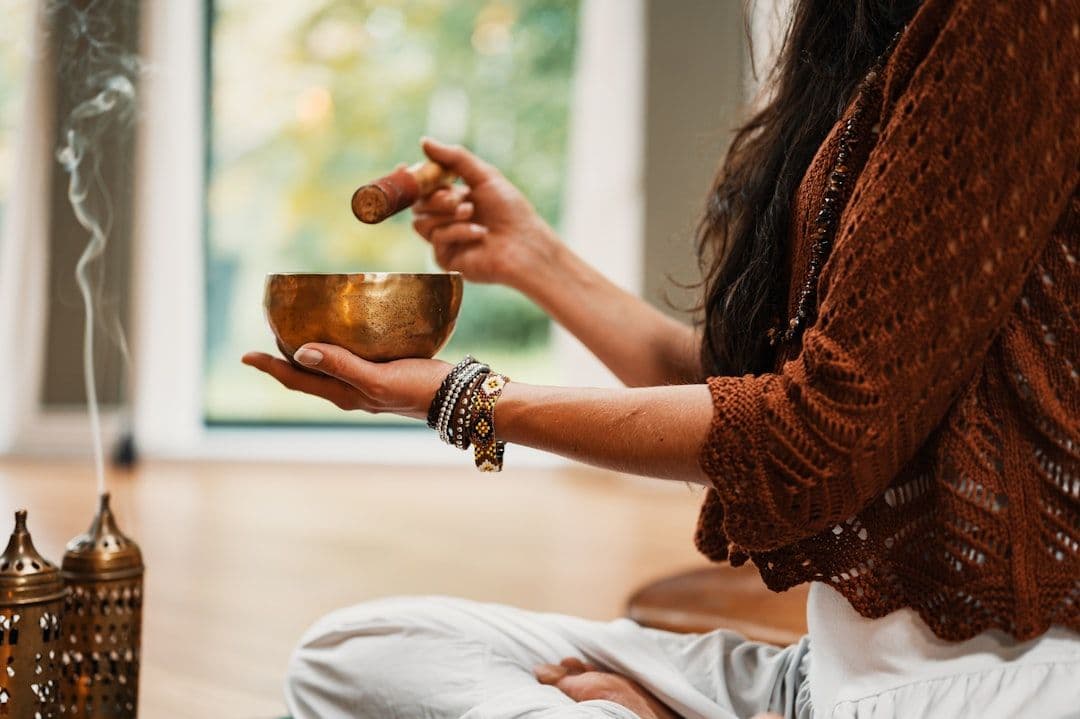
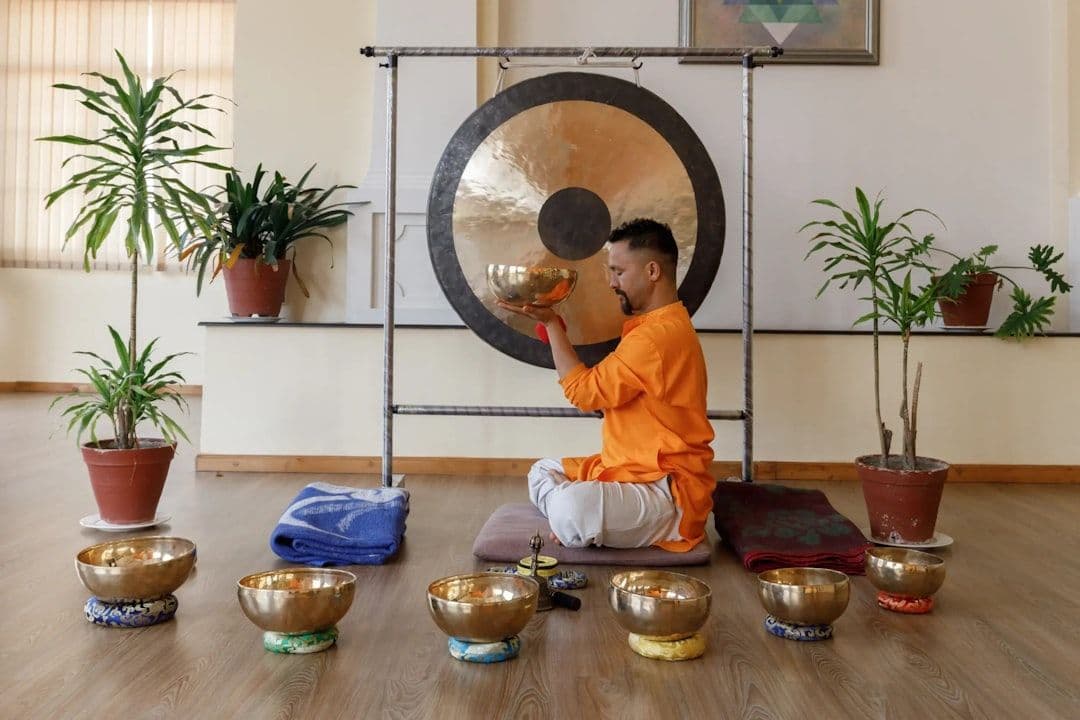
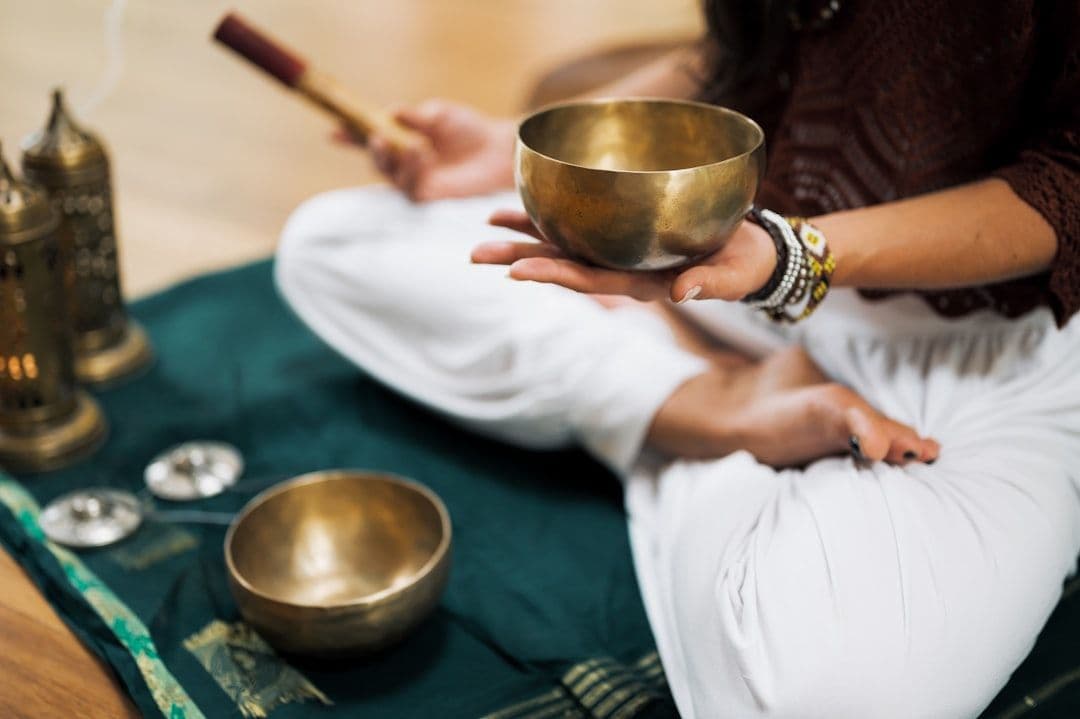
Singing bowls and gongs fill the room with sound waves that ease you into deep rest.
Sound Bath is a relaxation modality where participants are immersed in therapeutic sounds from instruments like singing bowls, gongs, and...

At a glance
What it is
Singing bowls and gongs fill the room with sound waves that ease you into deep rest.
Why explore it
A gentle, effortless way to ease stress, calm anxiety, and drift toward better sleep.
How it’s experienced
You simply lie on a mat for 30–90 minutes and let the vibrations wash over your whole body.
Evidence context
Early research hints at relaxation benefits, but most evidence so far comes from personal experience.
See the evidence snapshotSafety
Safe for most people, though those with pacemakers or epilepsy should check with a doctor first.
See staying safeHistory & Origin
Sound Bath involves immersing individuals in therapeutic sounds, such as singing bowls or gongs, to induce deep relaxation and healing.
Sound healing practices have ancient roots spanning multiple cultures. Tibetan singing bowls, central to modern sound baths, originated in the Himalayan region and have been used in Buddhist and Hindu spiritual practices for centuries. In traditional Chinese medicine and Ayurveda, the therapeutic use of sound and vibration to balance the body's energy systems has been documented for thousands of years. Gongs, another primary instrument in contemporary sound baths, originated in Southeast Asia and were used in meditation and healing rituals across cultures including Indonesian, Chinese, and Thai traditions.
The modern sound bath practice gained momentum in the Western wellness movement during the 1980s and 1990s, as interest in meditation and complementary therapies expanded. Practitioners began adapting traditional instruments and techniques for contemporary relaxation and healing contexts. Key figures in popularizing sound baths include Jonathan Goldman, an acoustic researcher and sound healer who studied the relationship between sound frequencies and wellness, and Don Conreaux, known for pioneering the use of large gongs in sound therapy. As mindfulness and holistic health practices became mainstream, sound baths transitioned from niche spiritual settings into wellness centers, yoga studios, and spas worldwide.
The globalization of sound bath practice has created a diverse landscape of approaches, from those rooted in traditional spiritual frameworks to those presented primarily as relaxation techniques. This evolution reflects both the appeal of the modality and varying interpretations of how and why sound might support health and wellbeing. Today, sound baths remain popular in wellness communities, though practitioners and organizations vary in their claims and evidential standards.
Mechanism
Sound Bath is best framed as a traditional, symbolic, energetic, reflective, or spiritual practice rather than a validated medical mechanism. Practitioners may use ritual, attention, sound, imagery, touch-free work, cards, symbols, prayer, or intention to support meaning-making and a sense of connection. People may explore it for reflection, calm, or spiritual context, while health claims should remain cautious and personal. During a sound bath, you lie down or sit comfortably while a practitioner plays acoustic instruments—typically Tibetan singing bowls, gongs, or crystal bowls—at varying frequencies and volumes.
Your first visit
A typical session outline to help you feel prepared
You'll rest comfortably while a practitioner surrounds you with layered sound and vibration from singing bowls, gongs, and chimes, guiding you into a deep state of relaxation.
Your practitioner greets you and walks you through what to expect, including the instruments being used and the session length, typically 45 to 90 minutes. There's no special preparation required on your part.
You'll choose a comfortable spot on a yoga mat, often provided, and settle in with a blanket and pillow or bolster. The goal is to be as physically at ease as possible since you won't be moving during the session.
The practitioner may guide you through a brief breathing exercise or body scan to help you arrive and let go of the day. This is your transition from everyday alertness into a more receptive, restful state.
The practitioner begins playing instruments, often starting softly with smaller singing bowls before layering in deeper tones from gongs or larger bowls. The sounds build gradually into a rich, immers
As the session unfolds, you simply lie still and let the sounds wash over you. You may notice vibrations you can physically feel in your chest or body, and your mind may drift, which is completely normal and welcome.
Toward the end of the session, the practitioner gradually softens the instruments, bringing the soundscape to a gentle close. This slow wind-down helps ease you back toward ordinary waking awareness.
A few minutes of silence follow the last sound, giving you space to simply be before rejoining the room. You're encouraged to stay still and let the experience settle before sitting up.
Your practitioner gently signals the session's close and may suggest drinking water and moving slowly for the rest of the day. Many people feel calm, heavy, or emotionally lighter, so take your time b
The Evidence
Sound baths sit between traditional wellness practice and modern complementary health. Here is an honest look at what research does and does not yet show.
Relaxation benefits reported; rigorous evidence remains limited
Small pilot studies suggest sound baths may reduce stress markers and improve subjective wellbeing, but most research has significant methodological limitations. The practice has deep traditional roots across multiple cultures and is generally considered low risk for healthy adults.
A small number of studies have examined singing bowls and gong vibrations, often finding modest reductions in self-reported anxiety, heart rate, and cortisol. However, most studies have small sample sizes, no control groups, and cannot isolate sound-specific effects from general relaxation. Stronger, well-controlled trials are needed before firm conclusions can be drawn.
Tibetan singing bowls have been used in Himalayan Buddhist and Hindu practice for centuries. Gongs originating in Southeast Asia featured in healing rituals across Chinese, Indonesian, and Thai traditions. Ayurveda and traditional Chinese medicine also incorporated therapeutic sound. The contemporary Western sound bath emerged from these traditions during the 1980s wellness movement.
Sound baths are not positioned as a standalone health intervention. They are most commonly used alongside yoga, meditation, or other wellness practices to support stress reduction and general self-care. Practitioners and participants often describe benefits in terms of felt experience and relaxation rather than measurable clinical outcomes.
The theoretical basis — that sound frequencies alter brainwave states or promote energetic balance — remains largely unverified by conventional neuroscience. It is not yet possible to separate the effects of lying quietly in a calm environment from any sound-specific effect. Sound baths are not a substitute for professional assessment or care for health conditions.
Those with implanted cardiac devices, cochlear implants, epilepsy triggered by sound, severe dissociative conditions, or acute mental health episodes should consult a healthcare provider before attending. Pregnancy is generally considered low risk but warrants discussion with an obstetric provider. Most healthy adults can participate safely.
There is no universal licensing standard for sound bath practitioners. Look for facilitators with recognised training, transparent communication about what the session involves, and willingness to discuss any health considerations beforehand. A reputable practitioner will not make inflated outcome claims or suggest the practice replaces professional healthcare.
Safety first
General guidance to help you decide whether this approach is appropriate for you. This is informational only and not a substitute for medical, psychological, or professional advice.
If you are pregnant, managing a health condition, recovering from injury or surgery, or taking medication, consult a qualified healthcare professional first.
Some situations call for extra care or a different approach. Share any conditions, injuries, or sensitivities with your practitioner before your first session.
Mild, short-lived effects such as tenderness, tiredness, or temporary soreness can occur. Rest, hydrate, and tell your practitioner how you respond.
Look for clear boundaries, transparent pricing, and practitioners who avoid fear-based claims or pressure to book frequent sessions.
For you?
A simple, human way to weigh it up. This is general guidance, not personal medical advice — a qualified practitioner can advise on your situation.
Gyfts is a discovery platform, not a medical provider. Nothing here diagnoses, treats or replaces professional care. In an emergency, contact your local emergency number.
Explore approaches
Other practices people often explore alongside sound bath.
In their words
FAQ
You lie down in a comfortable, supported position in a quiet, dimly lit space. A trained practitioner plays therapeutic instruments—typically singing bowls, gongs, chimes, or tuning forks—creating rich, resonant sounds and vibrations. You simply receive these sounds passively, allowing them to wash over you. Most sessions last 45 to 90 minutes. There is nothing you need to do or achieve; the experience is entirely receptive. Many people enter a deeply relaxed or meditative state.
There is no standard protocol. Some people benefit from a single session for immediate relaxation, while others incorporate sound baths regularly—weekly, bi-weekly, or monthly—as part of their wellness routine. Response is highly individual. Many practitioners suggest trying a few sessions to gauge how your body and mind respond. Some people use sound baths during particularly stressful periods and then space them out later.
Sound baths are generally considered safe for most people, but certain conditions warrant caution or medical clearance first. Those with implanted pacemakers, severe hearing loss, epilepsy triggered by sound or vibration, severe untreated mental health conditions, or recent major surgery should consult a healthcare provider before attending. Pregnant individuals should also check with their obstetric care provider. Always inform the practitioner of relevant health conditions beforehand.
Responses vary widely and are subjective. Many people report deep relaxation, peacefulness, and mental quietness. Some experience visualization, emotional release, or a sense of energetic balance. Others may fall asleep or feel tingling, warmth, or subtle vibrations in the body. Some notice no dramatic sensations but report feeling relaxed and calm afterward. It is also normal to simply rest quietly without particular sensations. There is no 'correct' experience.
Many people report that sound baths support relaxation and may help them sleep better or feel less anxious. However, scientific evidence for treating clinical anxiety or insomnia is limited. Sound baths can be a useful complementary wellness tool, but anyone with diagnosed anxiety disorders or chronic insomnia should work with a healthcare provider for proper assessment and evidence-based treatment. Sound baths may be used alongside, not instead of, professional mental health care when appropriate.
No. Sound bath is a completely passive experience. You simply lie down, relax, and allow the sounds to be present. Some practitioners may suggest setting an intention at the beginning or practicing gentle breathing, but there are no requirements. You are not expected to meditate in any particular way or achieve any specific state. Your only job is to be present and receive.
Sound bath specifically refers to an immersive, group or individual relaxation experience using instruments like singing bowls and gongs. Other sound therapies may include tuning fork therapy (targeted vibration applied to specific body points), sound healing with recorded music or binaural beats, or vibrational medicine. Sound baths emphasize the full-body, immersive experience of therapeutic sound, while other modalities may be more targeted or use different technologies and approaches.
Research on sound baths is emerging but currently limited. Some small studies suggest that sound and vibration may support relaxation and reduce stress markers, but high-quality, large-scale clinical trials are lacking. Most evidence for sound baths comes from participant self-reports and traditional use rather than rigorous scientific studies. Sound baths are best viewed as a complementary relaxation tool rather than a proven medical treatment. Anyone with a health condition should not rely on sound baths as a substitute for conventional medical care.
References
Educational sources that inform this overview. Inclusion is for context and does not imply endorsement.
Full citations are maintained by the Gyfts editorial team and reviewed periodically.
Keep exploring
Browse practitioners, explore honest overviews, and take what you learn to a conversation — at your own pace.