What Happens in Theta Healing
Picture yourself lying comfortably whilst a practitioner guides you into a state of deep relaxation through gentle breathing and visualization. Your brainwaves gradually shift into the theta frequency—the same state you experience during REM sleep or deep meditation. In this receptive state, the practitioner helps you identify beliefs about yourself or your life that may be limiting your potential.
The session unfolds through a conversation between conscious exploration and subconscious access. The practitioner might ask you to visualize traveling to a place of healing or connecting with what the tradition calls 'Source energy'. Together, you identify specific beliefs—perhaps 'I don't deserve success' or 'I'm not loveable'—then work to replace them with more supportive ones.
What distinguishes Theta Healing from standard meditation is its structured approach to belief change. Rather than simply observing thoughts, the practice actively works to identify and shift deeply held convictions about yourself and your capabilities.
Origins and Development
Vianna Stibal developed Theta Healing in 1995, drawing from her background in massage therapy and intuitive work. According to her account, the technique emerged from her own health challenges and subsequent exploration of meditation, visualization, and what she understood as spiritual healing.
Stibal founded the ThetaHealing Institute of Knowledge, which now trains practitioners worldwide through a standardized curriculum. The method combines elements from various traditions—meditation practices, positive psychology concepts, and New Age spirituality—into a systematic approach.
The practice has evolved into a comprehensive system with multiple levels of training, from basic practitioners to advanced instructors. Whilst remaining rooted in its spiritual framework, modern Theta Healing incorporates some understanding of neuroscience, particularly around brainwave states and neuroplasticity.
The Framework of Belief Change
Within the Theta Healing worldview, limiting beliefs create energetic patterns that influence every aspect of life. Practitioners understand these beliefs as operating at multiple levels—core beliefs formed in childhood, genetic beliefs inherited from ancestors, historic beliefs from past experiences, and soul-level beliefs from what the tradition considers past lives.
The technique assumes that accessing the theta brainwave state makes the subconscious mind more receptive to new programming. During this state, practitioners report being able to witness and facilitate the release of limiting beliefs, then download more supportive ones. This process often includes what practitioners call 'muscle testing' to confirm when beliefs have shifted.
From a neuroscience perspective, theta waves (4-8 Hz) are indeed associated with deep relaxation, creativity, and enhanced suggestibility. Whilst the specific mechanisms proposed by Theta Healing haven't been clinically validated, the underlying principles of accessing relaxed states for personal change align with established meditation and hypnotherapy practices.
What to Expect in a Session
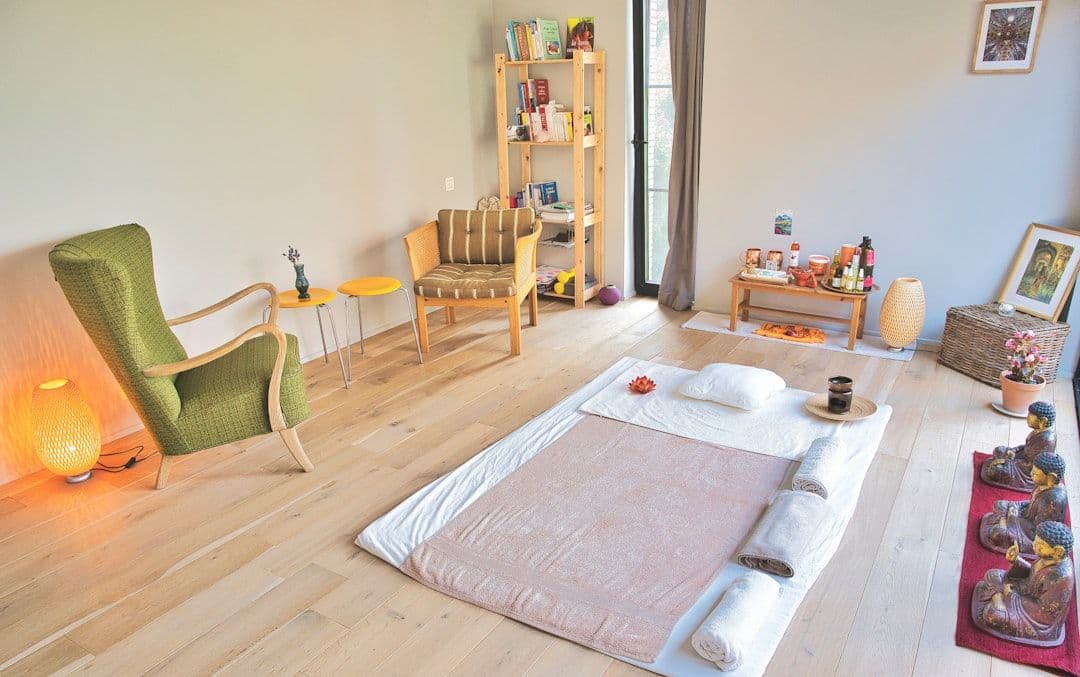
A typical Theta Healing session lasts 60-90 minutes and begins with a conversation about what you'd like to work on. The practitioner helps you identify specific areas where you feel stuck or limited, then guides you into a relaxed state through breathing exercises and visualization.
Once you're relaxed, the practitioner may use muscle testing—checking the strength of your arm in response to statements—to identify limiting beliefs. You might be asked to say 'I deserve abundance' whilst the practitioner tests your muscle response, indicating whether your subconscious truly believes this statement.
The healing portion involves guided visualization where you connect with Source energy (however you conceive of it) to witness the removal of limiting beliefs and the download of supportive ones. Sessions often include teachings—downloads of knowledge about concepts like unconditional love or healthy boundaries. Many people report feeling deeply relaxed and emotionally lighter afterward, though experiences vary considerably.
Finding Qualified Practitioners
All certified Theta Healing practitioners complete training through the ThetaHealing Institute of Knowledge. Basic practitioners complete at least three courses: Basic DNA, Advanced DNA, and Digging Deeper. More experienced practitioners may hold instructor certifications and teach the technique themselves.
Sessions typically range from £60-120, with practitioners in major cities often charging higher rates. Many practitioners offer initial consultations to discuss your goals and explain their approach. Since the work is highly personal, finding someone you feel comfortable with matters more than credentials alone.
Look for practitioners registered with professional bodies like the CNHC or FHT, which provide additional oversight and complaints procedures. Ask about their training level, how long they've been practising, and their approach to working with your specific concerns. A good practitioner will explain the process clearly and respect your comfort level with the spiritual aspects of the work.