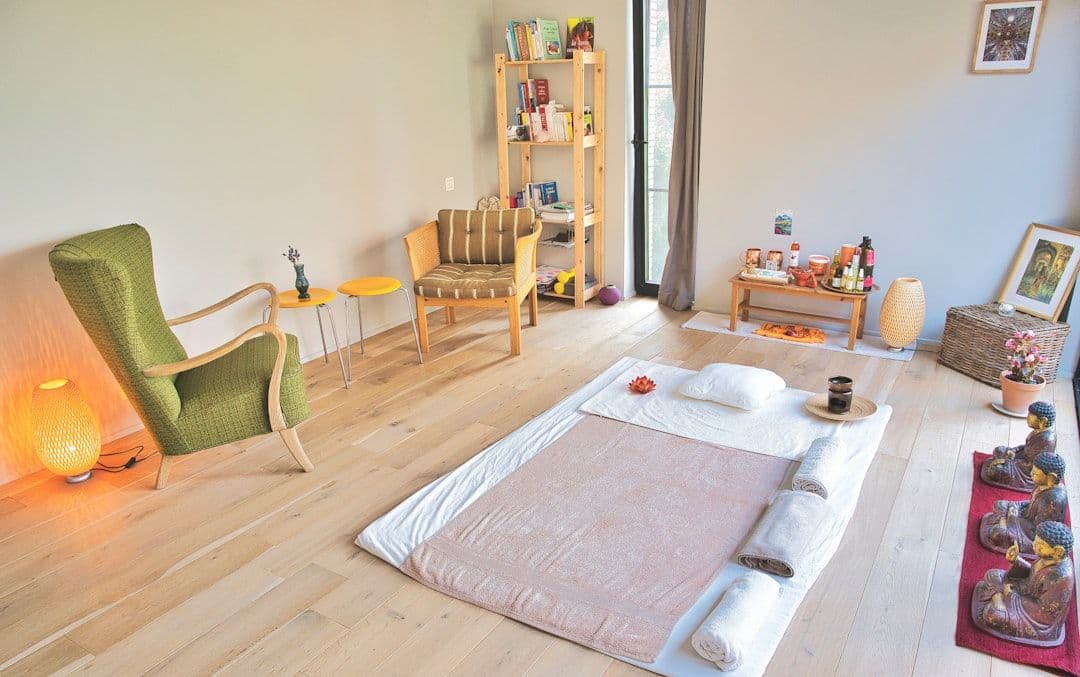
What it is
A guided meditation practice that aims to surface and reshape limiting beliefs using the theta brainwave state.
Theta Healing is a meditation-based technique that aims to access the theta brainwave state to facilitate belief change, emotional releas...
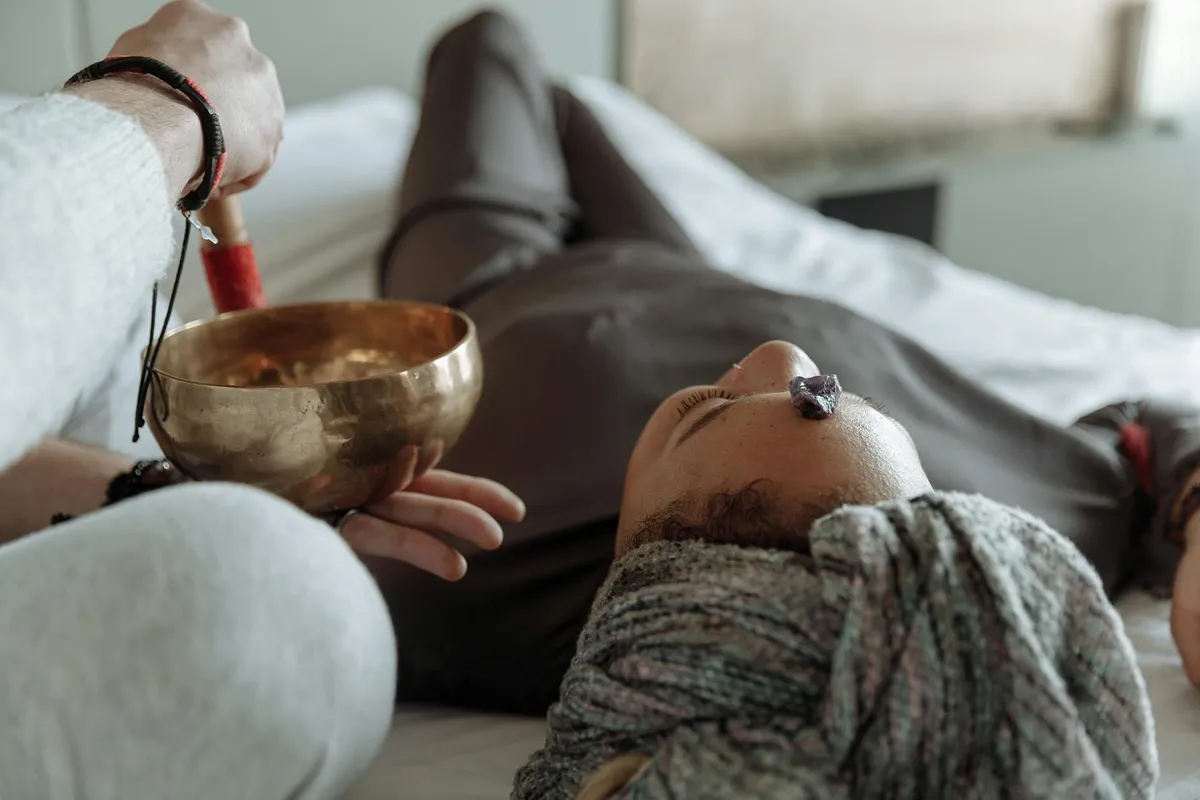
At a glance
What it is
A guided meditation practice that aims to surface and reshape limiting beliefs using the theta brainwave state.
Why explore it
It may help you process limiting beliefs, grief, or anxiety alongside personal growth and life transitions.
How it’s experienced
A practitioner guides you into a calm meditative state, using visualization and dialogue while you stay aware.
Evidence context
Support is largely anecdotal, with no robust clinical trials yet backing Theta Healing's specific claims.
See the evidence snapshotSafety
Generally low physical risk, though those with trauma or psychiatric conditions should consult a clinician first.
See staying safeHistory & Origin
Theta Healing involves accessing the theta brainwave state to facilitate healing, belief reprogramming, and emotional release.
Theta Healing was developed in the mid-1990s by Vianna Stibal, an alternative health practitioner from Idaho. Stibal reported discovering the technique after a personal health crisis, claiming she used theta brainwave visualization to facilitate her own healing. She subsequently founded the Theta Healing Institute of Thought and began teaching the method internationally, developing a structured curriculum around the practice.
The modality draws on concepts from meditation, positive psychology, and New Thought philosophy, blending them with contemporary brainwave science (particularly research on theta frequencies associated with deep relaxation and learning states). While Stibal's personal healing narrative forms the foundation story, the broader appeal of Theta Healing emerged from widespread interest in mind-body techniques and beliefs about the subconscious mind's role in health and well-being.
The practice spread through certification training programs, workshops, and practitioner networks, gaining popularity in complementary health and wellness circles, particularly in North America and Europe. Practitioners claim the technique can be applied to various issues, from emotional trauma to physical health concerns, though it remains outside mainstream medical practice and scientific validation.
Mechanism
Theta Healing is best framed as a traditional, symbolic, energetic, reflective, or spiritual practice rather than a validated medical mechanism. Practitioners may use ritual, attention, sound, imagery, touch-free work, cards, symbols, prayer, or intention to support meaning-making and a sense of connection. People may explore it for reflection, calm, or spiritual context, while health claims should remain cautious and personal. A practitioner guides you into a deeply relaxed state associated with theta brainwaves (4–8 Hz frequency), typically through guided visualization and focused intention.
Your first visit
A typical session outline to help you feel prepared
A Theta Healing session blends gentle conversation with guided energy work to help surface and shift subconscious beliefs holding you back.
Your practitioner greets you warmly and asks what brought you in, inviting you to share your goals, concerns, or patterns you'd like to shift. This open conversation helps focus the session.
Together you explore specific beliefs or feelings connected to your concern, often through simple yes or no questions. Your practitioner may use muscle testing, a light pressure on your arm or fingers
Your practitioner silently guides themselves into a Theta brainwave state through a meditative visualization, often called going up to the Seventh Plane. You remain fully awake, aware, and in control throughout.
Your practitioner speaks aloud the limiting beliefs identified and asks your permission before working to release and replace each one with a new, positive belief. You may feel a subtle shift, tinglin
Your practitioner offers to download positive feelings or knowing, such as what it feels like to be safe or worthy, directly into your energy field. They will always ask your consent before each download.
If a core belief feels layered, your practitioner may gently dig deeper with follow-up questions to find the root program beneath. This conversational process is collaborative and moves at your pace.
Your practitioner returns their awareness fully to the room and checks in with you about what you noticed or felt. A session typically runs 60 to 90 minutes, and you may leave feeling lighter, reflect
Your practitioner may suggest journaling, drinking extra water, or simply resting as shifts can continue unfolding over the following days. They will answer any questions and may recommend follow-up s
The Evidence
What the research does and does not support about Theta Healing, and how to use this information to make informed choices.
Reported benefits exist; specific scientific validation is sparse
Theta Healing borrows terminology from neuroscience around brainwave states, though its specific methods have not been validated in rigorous clinical trials. Most available evidence is anecdotal, and benefits may reflect broader mind-body processes rather than the technique itself.
No substantial body of controlled clinical trials exists for Theta Healing specifically. Individual reports and practitioner accounts describe subjective benefits, but these are not equivalent to scientific evidence. Related areas — such as meditation, guided imagery, and belief change — have broader research support, though findings do not transfer directly to this modality.
As an alternative approach, Theta Healing operates outside conventional healthcare systems and is not regulated as a health profession in most countries. It is best understood as a structured belief-change and relaxation practice with a spiritual framing, rather than a clinically validated intervention. This does not make it without value, but it shapes how evidence should be interpreted.
The modality emerged from a personal healing narrative and blends concepts from brainwave terminology, positive psychology, and metaphysical belief systems. It spread internationally through structured certification programs. Its foundation is experiential and philosophical rather than derived from a long-standing cultural healing tradition, which is relevant context when evaluating its claims.
Benefits reported by seekers may stem from the meditative relaxation state, the therapeutic relationship, the power of focused intention, or the psychological effect of reframing beliefs — all of which have some research support independently. Attributing outcomes specifically to theta-state reprogramming goes beyond what current evidence can confirm.
Those experiencing active mental health crises, psychosis, or dissociative conditions should consult a qualified clinician before engaging with deep meditative or guided visualization practices. Theta Healing is not a substitute for professional mental health or medical assessment. Be cautious of practitioners who make disease-resolution claims or use belief-change methods in ways that feel pressured or coercive, as these are specific concerns within this modality.
Theta Healing should not be presented as a solution to medical conditions, and inflated outcome claims from any practitioner are a caution sign. The absence of peer-reviewed validation means seekers should approach this modality with informed expectations. It may complement personal development or emotional processing work, but it sits outside evidence-based healthcare and should be positioned accordingly.
Safety first
General guidance to help you decide whether this approach is appropriate for you. This is informational only and not a substitute for medical, psychological, or professional advice.
If you are pregnant, managing a health condition, recovering from injury or surgery, or taking medication, consult a qualified healthcare professional first.
Some situations call for extra care or a different approach. Share any conditions, injuries, or sensitivities with your practitioner before your first session.
Look for clear boundaries, transparent pricing, and practitioners who avoid fear-based claims or pressure to book frequent sessions.
Mild, short-lived effects such as tenderness, tiredness, or temporary soreness can occur. Rest, hydrate, and tell your practitioner how you respond.
For you?
A simple, human way to weigh it up. This is general guidance, not personal medical advice — a qualified practitioner can advise on your situation.
Gyfts is a discovery platform, not a medical provider. Nothing here diagnoses, treats or replaces professional care. In an emergency, contact your local emergency number.
Explore approaches
Other practices people often explore alongside theta healing.
In their words
FAQ
Theta brainwaves are associated with deep relaxation, meditation, and the borderline between waking and sleeping consciousness. Research shows theta activity increases during meditation and states of deep focus. Theta Healing practitioners believe accessing this state facilitates subconscious change and belief reprogramming, though the mechanism remains unproven scientifically.
The number of sessions varies by individual and the issues being addressed. Some people pursue a single session out of curiosity, while others commit to 6-12 sessions or more for deeper belief work. Your practitioner will typically recommend a course after your initial consultation. Many practitioners suggest at least 2-3 sessions to experience effects.
Most people feel deeply relaxed during a Theta Healing session. Some experience emotional release, tears, or laughter as beliefs are explored. Others feel peaceful and centered. Experiences vary—some people feel subtle shifts while others report dramatic emotional or mental changes. You remain conscious throughout and in control of the process.
No. Theta Healing is not a medical treatment and cannot diagnose or cure medical conditions. It is a complementary modality focused on emotional processing and belief work. If you have a medical condition, continue working with your healthcare provider. Some people use Theta Healing alongside conventional care for emotional support, but it is not a substitute for medical treatment.
No. While both involve relaxed states and work with the subconscious mind, they are different approaches. Hypnotherapy typically uses direct suggestions and behavioral techniques, while Theta Healing emphasizes visualization, intention, and belief identification. Some practitioners are trained in both, but they are distinct modalities.
Theta Healing practitioners typically complete certification training through the Theta Healing Institute of Thought or similar organizations. Look for practitioners who have completed a recognized basic certification course and ideally additional advanced training. Ask about their experience, credentials, and whether they subscribe to a code of ethics. Certification requirements vary by country and organization.
References
Educational sources that inform this overview. Inclusion is for context and does not imply endorsement.
Full citations are maintained by the Gyfts editorial team and reviewed periodically.
Keep exploring
Browse practitioners, explore honest overviews, and take what you learn to a conversation — at your own pace.