The Evidence Landscape
Tibetan Reiki occupies a unique position in the research landscape — as a hybrid practice combining Japanese Reiki with Tibetan Buddhist energy work, it has not been studied as a distinct modality in clinical trials. This reflects both its relatively recent development and its rootedness in traditional spiritual frameworks that don't typically seek validation through Western scientific methods.
The broader Reiki research base offers some context. A 2020 systematic review of 13 randomised controlled trials involving 1,411 participants found modest evidence for Reiki reducing anxiety and pain compared to usual care, though effects were generally small and study quality varied considerably. However, these studies examined traditional Usui Reiki, not the Tibetan variant with its additional Buddhist and shamanic elements.
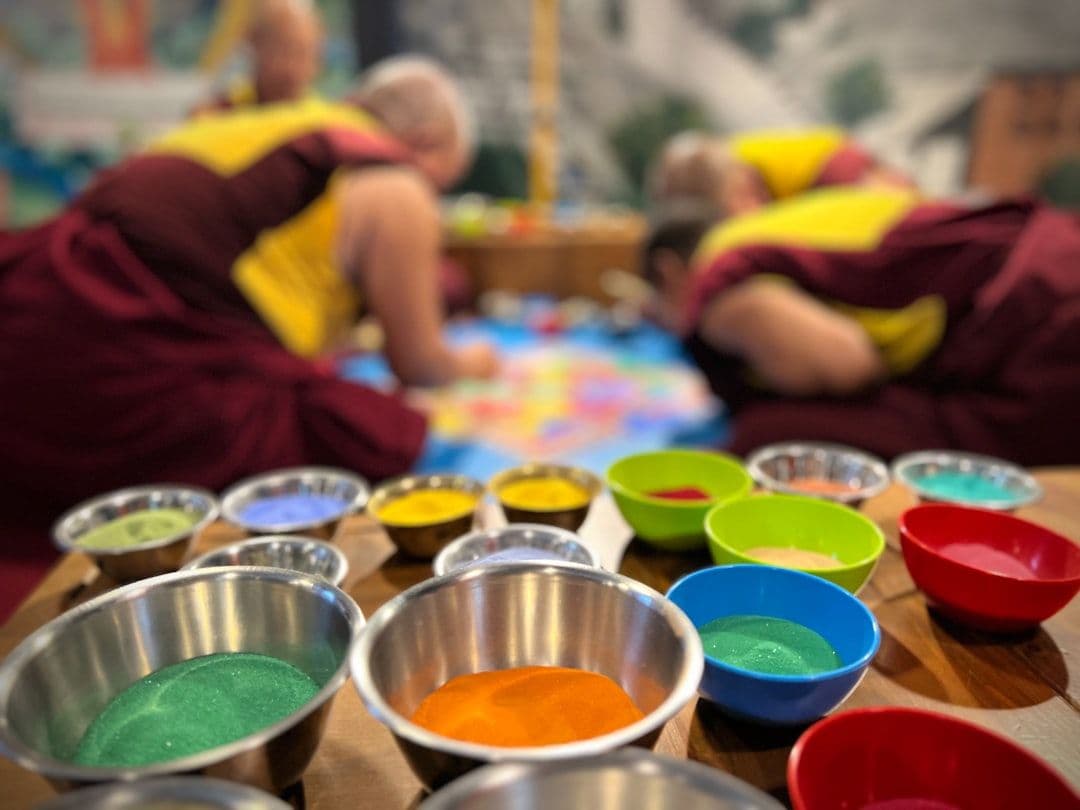
Within Tibetan Buddhist traditions, energy healing practices like lung-gom and subtle energy work have been transmitted through contemplative lineages for centuries. These practices operate within sophisticated philosophical frameworks about consciousness, energy, and healing that don't translate directly into biomedical research paradigms.
Research Challenges and Limitations
Several factors complicate research into Tibetan Reiki specifically. The practice varies significantly between practitioners, with some emphasising the Japanese Reiki components whilst others focus more heavily on Tibetan visualisation techniques, mantras, or shamanic elements. This heterogeneity makes standardised protocols difficult to establish.
The subjective nature of energy work presents methodological challenges common to many complementary practices. Double-blinding proves nearly impossible when practitioners must actively engage with their understanding of energy flow and clients often report distinct sensations during sessions.
Additionally, Tibetan Reiki practitioners often integrate multiple modalities within sessions — combining hand placements with guided meditation, crystal work, or sound healing. Isolating the effects of any single component becomes practically impossible, though this reflects how the practice is actually delivered rather than representing a research flaw.
What Traditional Frameworks Reveal
Within Tibetan Buddhist understanding, practices like those incorporated into Tibetan Reiki work through principles of subtle energy (lung), compassionate intention, and the interconnected nature of mind and body. Practitioners view the work as facilitating natural healing processes rather than imposing external treatments.
Traditional Tibetan medicine recognises concepts like chakras and energy channels that inform how Tibetan Reiki practitioners approach their work. These frameworks provide internal logic and meaning for practitioners and recipients, even without clinical validation.
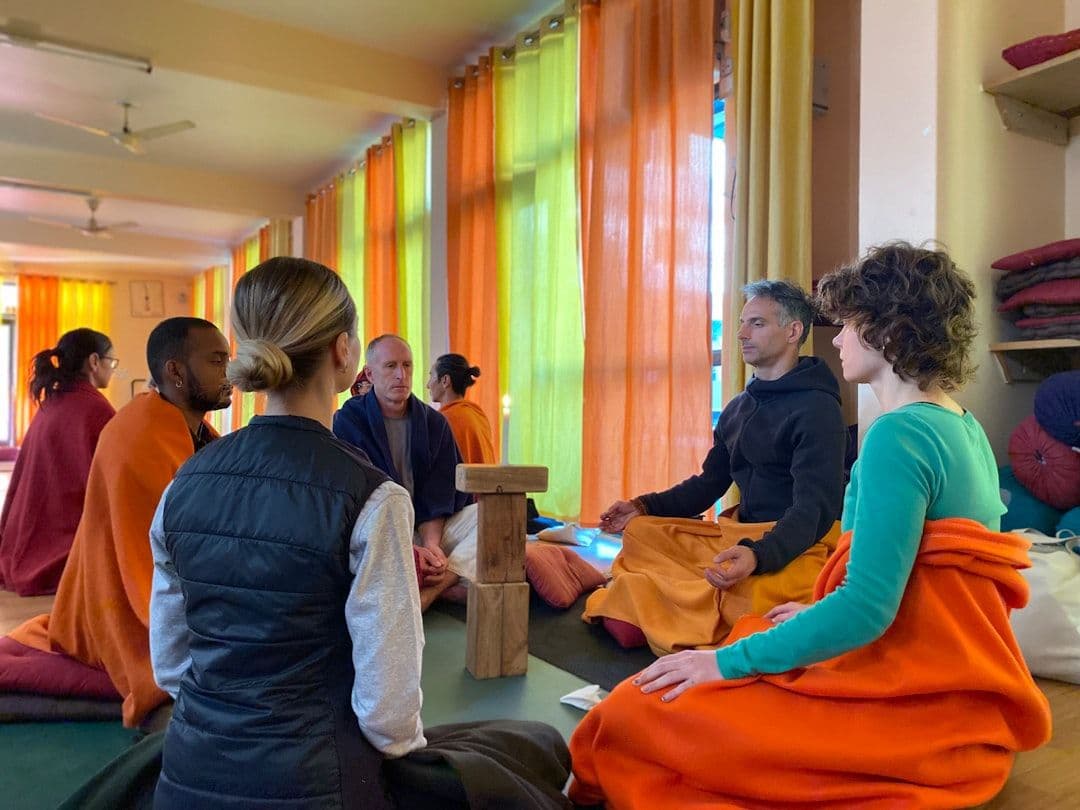
Practitioner reports suggest that clients frequently describe deep relaxation, emotional release, and enhanced sense of wellbeing following sessions. Whilst these outcomes resist easy measurement, they align with what traditional Buddhist healing practices aim to support — greater balance, clarity, and connection to one's natural healing capacity.
Clinical Context and Integration
In clinical practice, I observe that people drawn to Tibetan Reiki often seek experiences that conventional medicine doesn't readily provide — time for reflection, spiritual connection, and gentle support for stress-related symptoms. Many use it alongside conventional treatments for conditions like chronic pain, anxiety, or during cancer care.
The lack of specific research doesn't negate potential value, but it does mean we cannot make evidence-based claims about clinical effectiveness. What we can acknowledge is that many people report meaningful experiences and that the practice appears generally safe when used appropriately.
For healthcare providers, understanding that clients may find value in traditional practices like Tibetan Reiki — even without robust clinical evidence — helps maintain therapeutic relationships whilst ensuring conventional care remains the foundation for serious medical conditions.
Future Research Directions
Meaningful research into Tibetan Reiki would require culturally sensitive approaches that honour the practice's traditional context whilst exploring measurable outcomes. Mixed-methods studies combining quantitative measures of stress, pain, or wellbeing with qualitative exploration of participant experiences might prove most informative.
Comparative effectiveness research examining different approaches within the broader energy healing category could help identify which elements contribute most to reported benefits. Studies might compare traditional Reiki, Tibetan Reiki, and meditation-only controls to isolate the role of touch versus contemplative practices.
Perhaps most importantly, future research should avoid the assumption that traditional practices require scientific validation to have value. Instead, studies could explore how practices like Tibetan Reiki complement conventional care and support aspects of wellbeing that biomedicine addresses less directly — meaning-making, spiritual connection, and the therapeutic relationship itself.