What it is
A healing blend of Japanese Reiki and Tibetan Buddhist tradition using sacred symbols and touch.
Tibetan Reiki is a hybrid energy healing practice that blends traditional Japanese Reiki with Tibetan Buddhist and shamanic energy work t...

At a glance
What it is
A healing blend of Japanese Reiki and Tibetan Buddhist tradition using sacred symbols and touch.
Why explore it
Many seek it for stress relief, emotional healing, better sleep, and deepening their spiritual practice.
How it’s experienced
Expect gentle hand placements, Tibetan symbols, and singing bowls in a calm 45–90 minute session.
Evidence context
Benefits are largely personal and anecdotal, so think of it as a complement to conventional care.
See the evidence snapshotSafety
It's low-risk for most, but check with your doctor if you have epilepsy or a psychiatric condition.
See staying safeHistory & Origin
Tibetan Reiki combines traditional Reiki principles with Tibetan energy healing techniques to balance and harmonize energy.
Tibetan Reiki emerged in the late 20th century as contemporary practitioners sought to integrate traditional Reiki with the rich energy healing traditions of Tibet. While Reiki itself originated in Japan in the 1920s through Mikao Usui, Tibetan energy practices draw from centuries of Buddhist tantric traditions and shamanic healing methods developed across the Himalayan region. Practitioners began formalizing Tibetan Reiki in the 1980s and 1990s, recognizing parallels between Japanese Reiki symbols and Tibetan sacred symbols, as well as similarities in chakra systems and energy channel work found in both traditions.
The development of Tibetan Reiki reflects a broader movement within complementary health to create synergistic practices by combining different cultural healing systems. Key practitioners and teachers began documenting Tibetan techniques—including the use of Tibetan singing bowls, specific mudras, and visualization practices—and teaching how these could enhance Reiki's effectiveness. The modality gained particular popularity in Western holistic health communities during the 1990s and 2000s.
Tibetan Reiki honors both its Japanese Reiki foundation and Tibetan Buddhist spiritual practices, though it is important to note that traditional Tibetan Buddhist institutions do not formally recognize or endorse Tibetan Reiki as an authentic Buddhist practice. Instead, it represents a modern Western adaptation that draws inspiration from Tibetan cultural elements. The practice continues to evolve, with different schools emphasizing varying aspects of Tibetan symbolism, energy anatomy, and spiritual philosophy alongside core Reiki principles.
Mechanism
Tibetan Reiki is best framed as a traditional, symbolic, energetic, reflective, or spiritual practice rather than a validated medical mechanism. Practitioners may use ritual, attention, sound, imagery, touch-free work, cards, symbols, prayer, or intention to support meaning-making and a sense of connection. People may explore it for reflection, calm, or spiritual context, while health claims should remain cautious and personal. Tibetan Reiki practitioners combine Japanese Reiki hand placements and symbols with Tibetan energy techniques, often incorporating visualization of sacred Tibetan symbols, chakra work, and mantra recitation to direct healing energy through the body.
Your first visit
A typical session outline to help you feel prepared
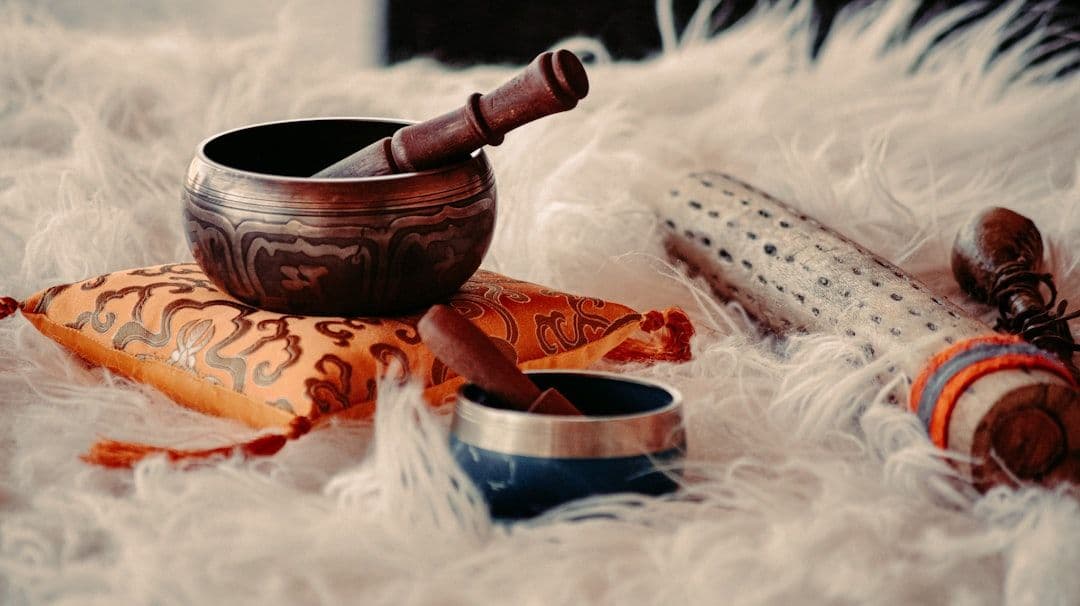
A Tibetan Reiki session blends traditional Reiki energy channeling with Tibetan tools like singing bowls and sacred symbols to support deep relaxation and energetic balance.
Your practitioner warmly greets you and asks about your current health, stress levels, and what you're hoping to experience. This is a no-pressure chat lasting about 10-15 minutes.
Together you'll identify a simple intention or focus for the session, such as releasing tension or finding clarity. This anchors the Tibetan Reiki work that follows.
You lie fully clothed on a padded treatment table, usually covered with a light blanket. Loose, comfortable clothing is ideal so energy can flow freely and you can fully relax.
The practitioner activates Tibetan Reiki symbols and may strike a singing bowl to clear and prepare the energy field around you. You may notice a warm, settling sensation as the room quiets.
Before touch begins, the practitioner slowly scans your energy field by holding their hands a few inches above your body, sensing areas of tension, blockage, or imbalance.
The practitioner places their hands gently on or just above specific points along your body, channeling Reiki energy while working with Tibetan symbols for deeper clearing. Sessions typically last 45-60 minutes in total.
At key moments the practitioner may place or sound singing bowls near your body, using their vibration to deepen energetic release. You might feel a pleasant buzzing or wave of calm move through you.
The session closes with grounding techniques to help you return to full awareness, followed by a brief check-in about what you noticed. You may feel calm, emotionally open, or lightly tired afterward.
The Evidence
What research and tradition tell us about Tibetan Reiki, and where the evidence is limited.
Rooted in tradition; clinical evidence is very limited
Tibetan Reiki draws on Japanese Reiki and Tibetan energy practices, but has no dedicated clinical trials. General Reiki research suggests possible relaxation benefits, though study quality is modest and findings should be interpreted cautiously.
Tibetan Reiki has no dedicated peer-reviewed trials. Broader Reiki research includes small observational studies suggesting possible benefits for relaxation and stress, but these are limited by small samples, inability to blind practitioners, and publication bias. Evidence for Tibetan Reiki specifically rests on practitioner reports and theoretical frameworks.
Reiki originated in Japan in the 1920s through Mikao Usui. Tibetan energy practices draw from centuries of Buddhist tantric and Himalayan shamanic traditions. Practitioners began combining these systems in the 1980s–90s, noting parallels in symbols, chakra concepts, and energy channel work. This is a modern synthesis rather than an ancient unified system.
Within the MACH holistic lens, Tibetan Reiki aims to support wellbeing across physical, emotional, and contemplative dimensions. Practitioners work with perceived energy flow, breath, and intention. While these concepts are not measurable by standard clinical tools, many people report subjective benefits such as calm, reduced tension, and improved sense of balance.
No large randomised controlled trials exist for Tibetan Reiki. Benefits reported in general Reiki studies may reflect relaxation responses, therapeutic attention, or placebo effects rather than specific mechanisms. Practitioners vary widely in training and lineage. Inflated outcome claims should be treated with scepticism, and this modality is not a substitute for professional assessment or medical care.
This modality should not replace emergency care, prescribed medications, or evidence-based mental health support. People with active psychiatric conditions, dissociative disorders, or recent trauma should consult a qualified mental health professional before engaging in energy work. Singing bowls or toning used in some sessions may not suit those with certain neurological conditions — discuss with your healthcare provider.
There is no single internationally recognised certification body for Tibetan Reiki. Ask practitioners about their training lineage, how many hours of supervised practice they have completed, and whether they hold broader complementary health credentials. A trustworthy practitioner will not make inflated outcome claims, will not discourage you from seeking conventional care, and will adapt sessions to your needs and comfort.
Safety first
General guidance to help you decide whether this approach is appropriate for you. This is informational only and not a substitute for medical, psychological, or professional advice.
If you are experiencing severe distress, suicidal thoughts, psychosis, acute trauma, or another serious mental health concern, seek qualified support first.
This approach is not suitable for diagnosis, treatment instructions, or decisions that require medical, legal, financial, or professional advice.
Look for clear boundaries, transparent pricing, and practitioners who avoid fear-based claims or pressure to book frequent sessions.
Treat any insight as one reflective perspective, not absolute truth. Important decisions should be considered with appropriate professional support.
For you?
A simple, human way to weigh it up. This is general guidance, not personal medical advice — a qualified practitioner can advise on your situation.
Gyfts is a discovery platform, not a medical provider. Nothing here diagnoses, treats or replaces professional care. In an emergency, contact your local emergency number.
Explore approaches
Other practices people often explore alongside tibetan reiki.
In their words
FAQ
Traditional Reiki, developed in Japan, focuses on channeling universal energy through hand positions and uses specific Reiki symbols. Tibetan Reiki integrates this foundation with Tibetan Buddhist energy practices, often incorporating additional elements such as Tibetan symbols, singing bowls, chanting, mudras, and visualization techniques. The goal of both is energetic balance, but Tibetan Reiki may emphasize spiritual development and multi-sensory experience more explicitly. Some practitioners use the terms interchangeably, so it's worth asking your practitioner specifically what techniques they employ.
There is no set number. Some people report benefits after a single session, while others prefer regular sessions—weekly, bi-weekly, or monthly—as part of their ongoing wellness practice. The frequency depends on your goals, current life circumstances, and how you respond. Many practitioners suggest an initial series of 4-6 sessions to assess whether the modality is helpful for you, then adjust based on your experience. Unlike medical treatments with defined courses, Reiki is often viewed as maintenance or ongoing spiritual practice.
While belief may enhance the experience, practitioners often report that skeptical clients can also experience benefits. The modality works within an energy framework, so understanding and openness to the concept is helpful, but the relaxation and potential nervous system calming effects can occur regardless of your personal beliefs about 'energy.' It is perfectly acceptable to approach a session with curiosity rather than conviction.
Tibetan Reiki is considered a low-risk complementary practice when provided by a trained, ethical practitioner who respects professional boundaries and does not claim to diagnose or cure disease. However, it is not risk-free: emotional intensity during or after sessions, rare adverse reactions in individuals with certain neurological conditions, and the risk of delaying necessary medical care if used in place of appropriate treatment are considerations. Always inform both your healthcare provider and your practitioner about relevant health conditions, and ensure the practitioner is trained in recognizing when someone needs clinical referral.
Yes, Tibetan Reiki can generally be used alongside conventional medical care, medications, and other complementary therapies. However, always inform all your healthcare providers—both your doctor and your Reiki practitioner—about everything you're doing. Some situations may warrant caution or specific timing; for example, certain medications or conditions might affect how you experience or respond to the session. Your practitioner should never suggest stopping medications or replacing medical treatment with Reiki alone.
Responses vary widely. Some people feel deep relaxation, warmth, tingling, or visual imagery during the session. Others feel nothing remarkable during but notice improved sleep, reduced anxiety, or emotional clarity in the days following. Some experience emotional release or tears. It's also normal to feel little change and still receive benefit over time. There is no 'correct' response; the modality works subtly for many people, and dramatic experiences are not necessary for the practice to be valuable.
Tibetan Reiki draws inspiration from Tibetan Buddhist concepts of energy channels (nadis), energy centers (chakras), and the use of sacred symbols and visualizations found in tantric Buddhist practice. However, Tibetan Reiki as a modern complementary practice is not an authentic or officially recognized form of Tibetan Buddhism. Traditional Tibetan Buddhist institutions do not endorse Tibetan Reiki, and the modality should not be considered a substitute for Buddhist spiritual practice or study. It is best understood as a Western synthesis that honors Tibetan cultural elements within an energy healing framework.
A typical session lasts 60-90 minutes, including consultation. As for frequency, many practitioners recommend starting with weekly sessions for 4-6 weeks to establish a foundation, then adjusting based on your response and goals. Some people move to bi-weekly or monthly maintenance sessions, while others prefer occasional sessions as needed. There is no universal standard; work with your practitioner to design a schedule that fits your needs and budget.
References
Educational sources that inform this overview. Inclusion is for context and does not imply endorsement.
Full citations are maintained by the Gyfts editorial team and reviewed periodically.
Keep exploring
Browse practitioners, explore honest overviews, and take what you learn to a conversation — at your own pace.