Preparing for Your Session
Arrive wearing loose, comfortable clothing that allows you to lie down easily. Natural fibres like cotton work well, though avoid anything too synthetic or restrictive. Remove jewellery, particularly metal pieces, as these can interfere with the bowl vibrations or create unwanted resonance.
Eat lightly beforehand — a full meal might make lying still uncomfortable, whilst arriving hungry can be distracting. Avoid caffeine for a few hours before your session, as the practice aims to calm your nervous system rather than stimulate it.
Bring nothing except yourself and an open mind. Most practitioners provide everything needed, including blankets and eye pillows if desired. Let your practitioner know about any hearing sensitivities, recent surgeries, or metal implants in your body, as bowl placement may need adjustment.
The Sound Bath Experience
Your session begins with a brief conversation about your intentions and any concerns. The practitioner will explain their approach and ask about your experience with sound therapy or meditation.
You'll lie down on a massage table or yoga mat, often with a pillow under your knees for comfort. Some practitioners dim the lights or light candles to create a calming atmosphere. The room itself becomes part of the healing space.
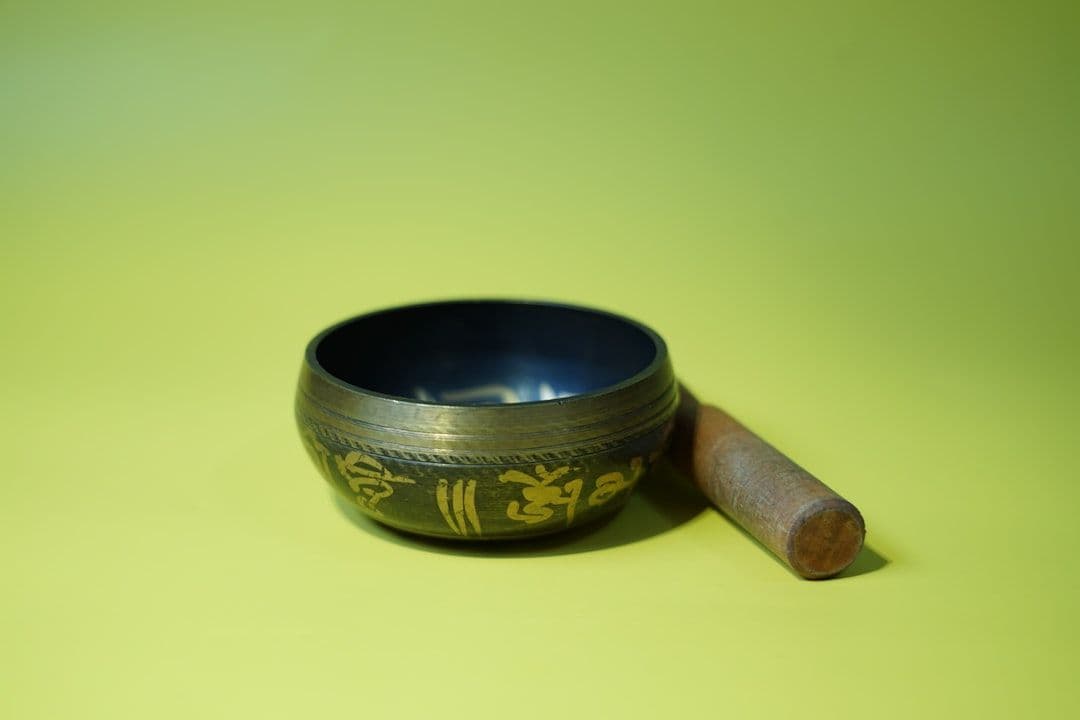
The first bowl sounds mark the session's beginning. Your practitioner may start with a single, clear tone that fills the room, allowing your nervous system to settle into the sound environment. They'll then introduce different bowls of varying sizes and tones, each producing distinct frequencies and overtones.
During the 30-45 minute sound portion, bowls might be placed directly on your clothed body — typically on your chest, abdomen, or limbs. When struck gently, you'll feel vibrations travelling through your body alongside hearing the sound. Other bowls remain positioned around you, creating waves of sound that seem to move through the space.
The practitioner reads your responses, adjusting volume and intensity accordingly. Some people visibly relax within minutes, whilst others need time to settle into the experience.
What You Might Experience
Physical sensations vary considerably between individuals. Many people report feeling vibrations moving through their body, particularly when bowls are placed directly on them. Some describe tingling, warmth, or a sense of energy shifting. Others notice their breathing naturally deepening or their heart rate slowing.
Emotionally, responses range from profound relaxation to unexpected emotional releases. Some people drift into a meditative state or even fall asleep, whilst others remain alert but deeply calm. Occasionally, people experience vivid imagery, childhood memories surfacing, or insights about current life situations.
Not everyone has dramatic experiences, and this doesn't indicate the session was ineffective. Some people simply feel pleasantly relaxed, as if they've had a good rest.
The session typically ends with several minutes of silence, allowing the final vibrations to fade naturally. This transition period helps you return gradually to ordinary awareness.
Aftercare and What to Expect
Drink plenty of water in the hours following your session. Within sound therapy traditions, this supports the body's natural detoxification processes, though the exact mechanisms remain unclear from a scientific perspective.
Plan for a gentle remainder of your day if possible. Many people feel relaxed and introspective after sessions, making it an ideal time for quiet activities rather than intense work or social commitments. Some experience improved sleep that night, whilst others notice effects developing over the following day or two.
Keep a note of any shifts in your mood, sleep patterns, or physical sensations over the subsequent week. Changes often occur subtly rather than dramatically.
Avoid alcohol for the rest of the day, as your nervous system may be more sensitive than usual. If you feel lightheaded immediately after the session, sit quietly for a few minutes before standing.
Building Your Sound Therapy Programme
Most practitioners recommend trying 3-4 sessions spaced one to two weeks apart to gauge your personal response to singing bowl therapy. This allows time to process each session whilst maintaining continuity.
Some people benefit from monthly sessions as part of their ongoing wellbeing routine, whilst others prefer intensive periods — perhaps weekly sessions for a month — when dealing with particularly stressful life periods.
Group sound baths offer a different experience from individual sessions and may appeal to those who enjoy shared healing spaces. These typically last 60-90 minutes and cost less than private sessions.
Discuss your goals with your practitioner. Those seeking deep relaxation might need fewer sessions than people exploring sound therapy as part of broader personal development work. Your practitioner should adjust their approach based on your responses and feedback from previous sessions.