What it is
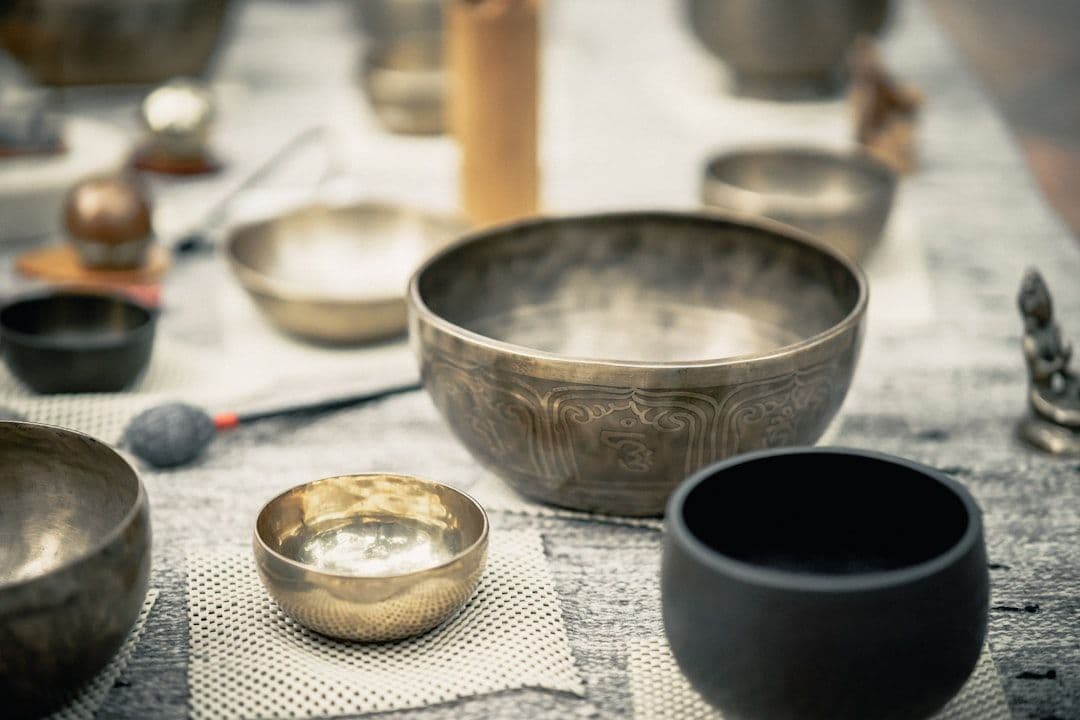
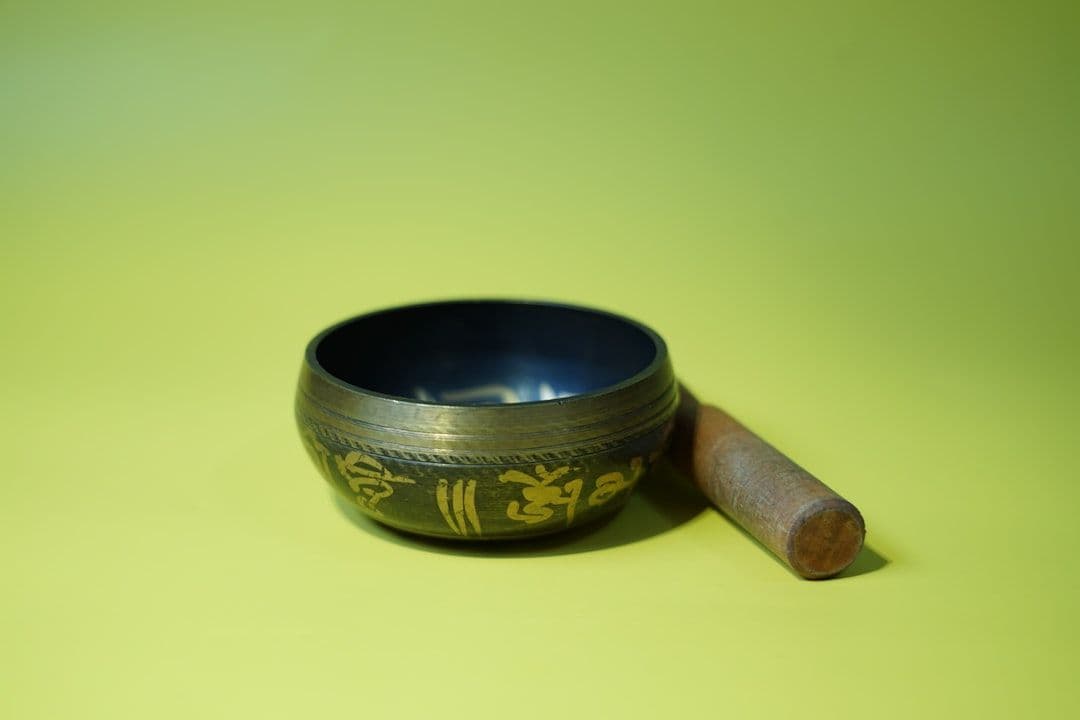
Metal bowls from the Himalayas that produce rich, layered tones rooted in Buddhist tradition.
Tibetan Singing Bowl Therapy uses specially crafted metal bowls that produce resonant vibrations and tones to promote relaxation and stre...
At a glance
What it is
Metal bowls from the Himalayas that produce rich, layered tones rooted in Buddhist tradition.
Why explore it
Many people feel deeply relaxed and calm after a session, supporting stress relief and better sleep.
How it’s experienced
A practitioner strikes bowls around you, filling 30 to 60 minutes with sustained, harmonic sound.
Evidence context
Centuries of traditional use back these bowls, though formal clinical research is still very limited.
See the evidence snapshotSafety
Low-risk for most adults, but check with your doctor if you have a pacemaker or seizure disorder.
See staying safeHistory & Origin
Tibetan Singing Bowl Therapy involves using Tibetan singing bowls to create sound vibrations that promote relaxation and healing.
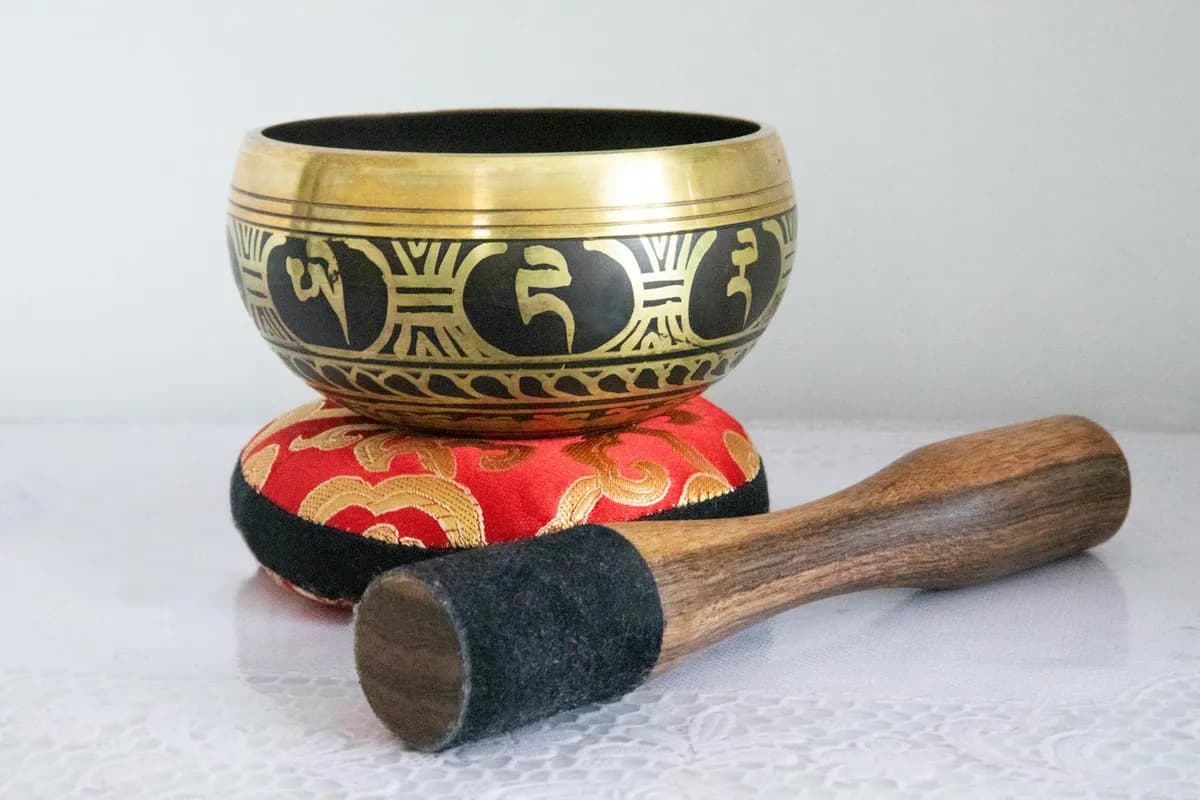
Tibetan singing bowls are ancient instruments with roots in Himalayan Buddhist and shamanic traditions, though their exact origins remain historically unclear. These hand-hammered bowls, traditionally made from bronze or other metal alloys, have been used for centuries in Tibetan and Himalayan spiritual practices, meditation, and healing rituals. Monks incorporated them into chanting, prayer, and mindfulness practices, believing the vibrations supported spiritual development and energetic balance.
The modern popularity of singing bowl therapy in Western complementary health emerged in the latter half of the 20th century as interest in Eastern spiritual traditions grew. As yoga, meditation, and holistic wellness practices spread beyond Asia, singing bowls became associated with sound therapy and relaxation techniques. Practitioners began offering singing bowl sessions in wellness centers, spas, and healing practices, framing the experience in terms of sound vibration, chakra alignment, and stress reduction rather than purely spiritual practice.
Today, singing bowl therapy occupies a space in complementary health largely disconnected from its original Buddhist context. The modern practice emphasizes the acoustic and relaxation properties of the bowls, with practitioners using them in sound baths, private sessions, and meditation classes. While some practitioners maintain the spiritual framework, many present singing bowls through a secular wellness lens focused on stress relief and relaxation benefits.
Mechanism
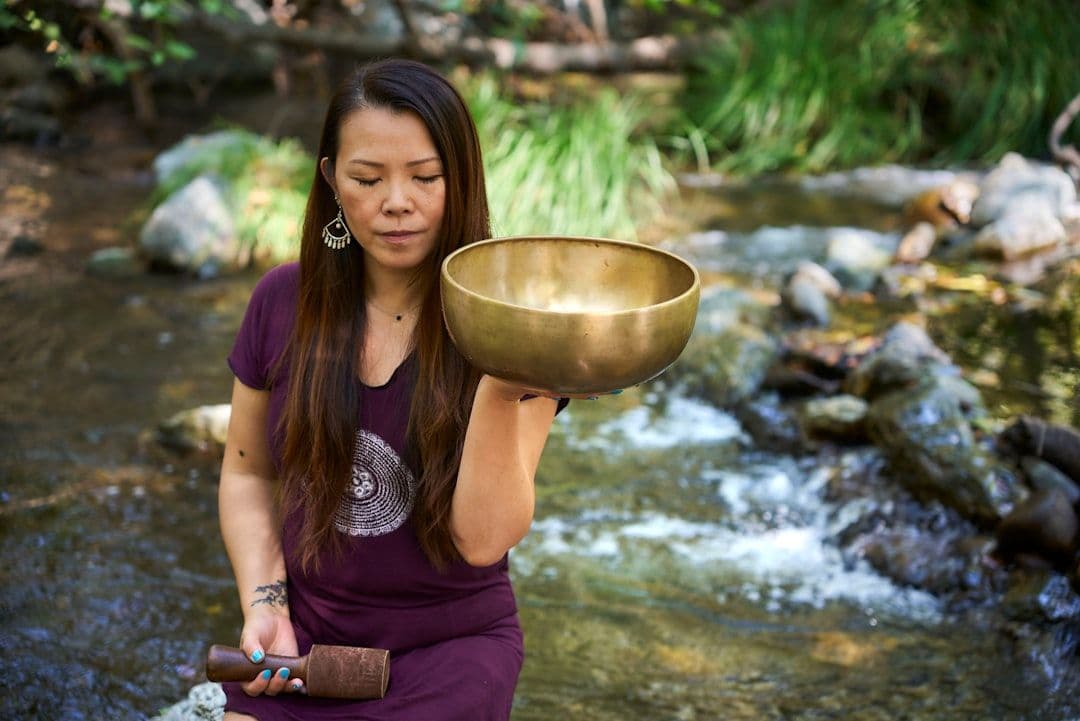
Tibetan Singing Bowl is best framed as a traditional, symbolic, energetic, reflective, or spiritual practice rather than a validated medical mechanism. Practitioners may use ritual, attention, sound, imagery, touch-free work, cards, symbols, prayer, or intention to support meaning-making and a sense of connection. People may explore it for reflection, calm, or spiritual context, while health claims should remain cautious and personal. A practitioner strikes or runs a mallet around the rim of a hand-hammered metal bowl, producing sustained sound vibrations and overtones that resonate through the body and surrounding space.
Your first visit
A typical session outline to help you feel prepared
Lie back fully clothed as resonant bowls are placed around your body and played to fill the space with calming sound and gentle vibration.
Your practitioner greets you and asks a few questions about your health, stress levels, and what you're hoping to get from the session. This helps them tailor the bowl placement and playing style to your needs.
You'll be invited to set a simple personal intention for the session, such as relaxation or mental clarity. There's no pressure here — your practitioner may gently guide you if you're unsure where to start.
You'll lie fully clothed on a padded mat or massage table, often with a bolster under your knees and a light blanket if you'd like one. Removing shoes is typically all that's required.
Your practitioner quietly places several Tibetan singing bowls on or around your body — commonly near the torso, feet, and head. You may feel the cool weight of a bowl resting gently on you.
Using a mallet or suede striker, your practitioner begins playing the bowls in a slow, intentional rhythm. Rich, layered tones build gradually around you, and you may feel subtle vibrations moving through your body.
As the session continues, the sounds shift in pace and tone to guide you into deeper relaxation. Many people find their mind quiets naturally, and some drift into a light, dreamlike state.
Your practitioner slowly reduces the intensity of the playing, allowing the final tones to fade softly. A brief moment of silence gives you time to transition gently back to full awareness.
You'll be given a few quiet minutes to reorient before sitting up slowly. Drinking water and resting before resuming your day is encouraged, as the deep relaxation response can linger for a while.
The Evidence
What research and tradition tell us about Tibetan singing bowl therapy, and where the evidence is still developing.
Relaxation benefits are plausible; broader claims need more research
Tibetan singing bowl therapy has centuries of traditional use and some small studies suggesting stress and relaxation benefits. The evidence base is limited and methodologically modest, so definitive conclusions about specific health outcomes are not yet supported.
Available studies are mostly small, short-term, and lack rigorous controls. Some report reductions in self-reported stress, heart rate, and blood pressure. These findings are consistent with general relaxation responses but are not strong enough to support specific health outcome claims. More well-designed research is needed before firm conclusions can be drawn.
Within a holistic framework, singing bowl sessions are valued for promoting relaxation, reducing tension, and supporting mindfulness. The experience integrates auditory, vibrational, and meditative elements. This broad, person-centred approach aligns with holistic wellness goals, though it is not a substitute for professional assessment or care for specific health concerns.
Historically used by monks in prayer, chanting, and mindfulness rituals, singing bowls carry deep cultural significance in Tibetan Buddhist and shamanic traditions. Their adoption in Western wellness settings from the late 20th century onward reflects broader interest in Eastern contemplative practices. Traditional frameworks emphasise spiritual and energetic dimensions that sit outside biomedical models.
Claims about energetic alignment or specific physiological mechanisms are not supported by current evidence. The relaxation response observed in sessions is plausible and consistent with meditation research, but attributing it to specific vibrational or energetic mechanisms goes beyond what the data supports. Practitioners and users should be cautious about inflated outcome claims.
People with pacemakers, implanted electronic devices, or severe sound sensitivity should consult a healthcare provider first. Those who are pregnant or have seizure disorders or certain psychiatric conditions are also advised to seek professional guidance beforehand. Metal allergies are worth discussing with a practitioner, as bowl materials vary.
There is no universal accreditation standard for singing bowl practitioners. Look for someone with transparent training, clear session descriptions, and a willingness to discuss your health background. Singing bowl therapy works best as a complement to, not a replacement for, qualified healthcare when health concerns are present.
Safety first
General guidance to help you decide whether this approach is appropriate for you. This is informational only and not a substitute for medical, psychological, or professional advice.
If you are pregnant, managing a health condition, recovering from injury or surgery, or taking medication, consult a qualified healthcare professional first.
Some situations call for extra care or a different approach. Share any conditions, injuries, or sensitivities with your practitioner before your first session.
Look for clear boundaries, transparent pricing, and practitioners who avoid fear-based claims or pressure to book frequent sessions.
Mild, short-lived effects such as tenderness, tiredness, or temporary soreness can occur. Rest, hydrate, and tell your practitioner how you respond.
For you?
A simple, human way to weigh it up. This is general guidance, not personal medical advice — a qualified practitioner can advise on your situation.
Gyfts is a discovery platform, not a medical provider. Nothing here diagnoses, treats or replaces professional care. In an emergency, contact your local emergency number.
Explore approaches
Other practices people often explore alongside tibetan singing bowl.
In their words
FAQ
Wear comfortable, loose-fitting clothing that allows you to relax fully. You will remain clothed throughout the session. Remove shoes, and avoid heavy jewelry that might jingle or distract you. Some practitioners recommend avoiding caffeine before your appointment to deepen relaxation.
Some people feel relaxed after a single session, while others require multiple sessions to notice consistent benefits. Many practitioners suggest 4-6 sessions to assess whether the modality works for you. Frequency varies based on your goals—weekly sessions may be recommended for stress management, while monthly sessions work for others. Consistency often yields better results than isolated sessions.
Yes. Bowls vary in size, metal composition, and origin. Tibetan bowls are traditionally hand-hammered bronze or brass alloy. Crystal singing bowls, made from pure quartz, produce different frequencies and are popular in Western sound therapy. Practitioners may use single bowls or combinations for varied tonal effects. The 'best' bowl depends on personal preference and the intended therapeutic application.
Not exactly. Sound therapy is a broader category encompassing various sound-based interventions. Singing bowl therapy specifically uses Tibetan or similar resonant bowls. Other sound therapies include tuning fork therapy, binaural beats, and music therapy. Singing bowls are one modality within the larger sound therapy field.
Yes, many people purchase singing bowls for personal use. However, learning proper technique for striking and rimming takes practice. Untrained use may produce harsh rather than therapeutic sounds. Consider attending practitioner sessions first to understand the experience, then explore home use if interested. Many online resources and instructional videos are available, though working with a trained practitioner provides personalized guidance.
Singing bowls are crafted from metal alloys (usually bronze, copper, and other metals) that vibrate when struck or rimmed with a mallet or wooden stick. The bowl's size, thickness, and composition determine its fundamental frequency and overtones. When played skillfully, the bowls produce sustained, resonant tones with multiple harmonic frequencies that continue vibrating after the initial strike.
Yes, falling asleep or entering a deep meditative state is common and generally considered a positive sign of relaxation. Your nervous system is shifting into a parasympathetic (rest-and-digest) state. However, some practitioners prefer clients to remain awake to consciously experience the vibrations. Discuss your experience with your practitioner so they can adjust the session if needed.
For most healthy people without contraindications, singing bowl therapy carries minimal risk. However, very loud or intense vibrations could theoretically pose concerns for people with pacemakers or certain medical devices. Those with severe sound sensitivity, untreated hearing conditions, or seizure disorders should consult healthcare providers first. As with any complementary practice, it should complement rather than replace necessary medical care.
References
Educational sources that inform this overview. Inclusion is for context and does not imply endorsement.
Full citations are maintained by the Gyfts editorial team and reviewed periodically.
Keep exploring
Browse practitioners, explore honest overviews, and take what you learn to a conversation — at your own pace.