What It Is
A group of conditions where the immune system mistakenly attacks the body's own healthy tissues
Understanding your immune system when it turns inward
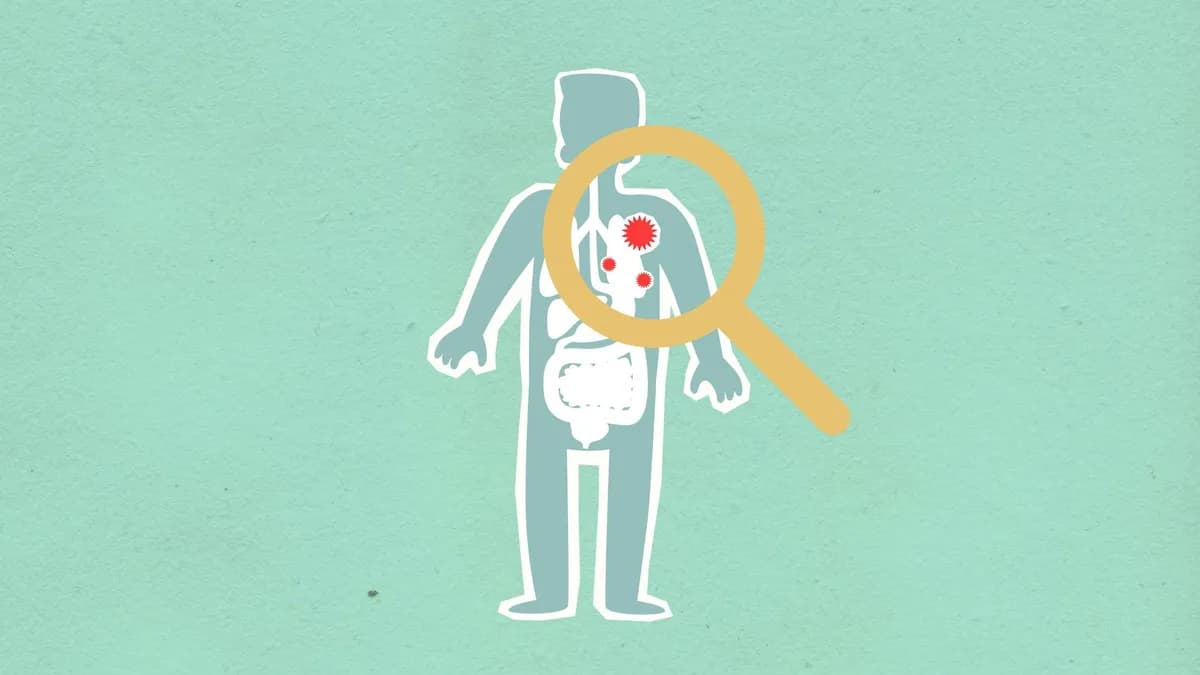
At a glance
What It Is
A group of conditions where the immune system mistakenly attacks the body's own healthy tissues
How It Presents
Chronic fatigue, inflammation, pain, and unpredictable flares affecting various organs or systems
What May Help
Anti-inflammatory nutrition, stress support, sleep hygiene, and integrative care approaches
Evidence Context
Research is active and growing, with moderate evidence for some lifestyle and complementary approaches
See the evidence snapshotWhen to Seek Help
Seek prompt care for severe flares, new neurological symptoms, or worsening despite current treatment
Explanation
Autoimmune conditions arise when the immune system mistakenly attacks the body's own healthy cells and tissues. Over 80 distinct autoimmune conditions have been identified, including lupus, rheumatoid arthritis, multiple sclerosis, Hashimoto's thyroiditis, and celiac disease, affecting an estimated 5 to 10 percent of the global population, with women disproportionately affected. Underlying mechanisms involve a complex interaction of genetic predisposition and environmental triggers such as infections, stress, and dietary factors. Conventional management typically focuses on reducing the immune attack and managing symptoms. Complementary approaches may support immune regulation, reduce inflammatory burden, and improve quality of life alongside medical care.
Could this be you
Autoimmune Conditions shows up differently for everyone. Browse by how it tends to be felt — these are common experiences, not a checklist or a diagnosis.
Common experiences people describe — not a diagnostic checklist.
Why it happens
Autoimmune Conditions usually comes from a mix of factors rather than a single cause. These are common contributors — not certainties.
Genetic variants affecting immune regulation may raise the likelihood of the immune system misidentifying the body's own tissues as threats.
Chronic psychological stress may influence immune signaling in ways that some researchers associate with triggering or worsening autoimmune flares.
Gut dysbiosis, past infections, hormonal shifts, and environmental exposures are commonly cited as contributors to autoimmune development.
Disrupted or insufficient sleep may affect immune balance, and some people with autoimmune conditions notice flares following periods of poor rest.
What happens in the body
Autoimmune Conditions can involve several of the body’s systems. These are common patterns researchers describe — how they show up varies from person to person.
The immune system may lose tolerance to the body's own tissues, causing self-reactive antibodies or T-cells to target healthy cells and drive ongoing inflammation.
Disruptions in gut barrier integrity and microbial balance may allow immune-activating molecules to enter circulation, potentially contributing to systemic immune dysregulation.
Hormonal fluctuations, particularly in sex hormones, may influence immune cell behavior and could partly explain why autoimmune conditions affect women at higher rates.
Chronic stress may alter immune signaling through neuroendocrine pathways, and this dysregulation is associated with increased frequency or severity of flares in some conditions.
Process
Management
A doctor may discuss disease-modifying drugs such as corticosteroids, methotrexate, or biologics to help regulate immune activity and reduce flare severity.
Some people find that reducing processed foods, gluten, or dairy while emphasizing omega-3-rich and plant-based foods may support lower systemic inflammation.
Emerging research suggests gut health is closely linked to immune regulation; some practitioners suggest probiotics and fiber-rich diets to support microbial balance.
Chronic stress is a known contributor to flares; practices like mindfulness, breathwork, or somatic therapies may support the nervous system and immune resilience.
Some people explore integrative approaches that assess environmental triggers, hormonal balance, and nutrient status alongside conventional autoimmune care.
Self-Care
Emphasizing vegetables, fatty fish, legumes, and whole grains while limiting processed foods and refined sugar may support a calmer immune response over time.
Some people with autoimmune conditions find that anchoring a regular sleep schedule helps reduce fatigue severity and may support immune regulation between flares.
Low-impact activities like walking, swimming, or gentle yoga may support joint mobility and mood without overtaxing the body during periods of lower disease activity.
Including fermented foods, fiber-rich vegetables, and staying well-hydrated may support a balanced gut environment, which some practitioners suggest is relevant to immune tone.
Chronic stress is a recognized contributor to flares; some people find that daily mindfulness, breathwork, or time in nature helps create a steadier baseline between episodes.
The Evidence
What research currently shows about autoimmune conditions and complementary approaches that may support immune regulation and quality of life.
A complex area with growing but still evolving research
Autoimmune conditions are well-characterised medically, and complementary approaches such as anti-inflammatory nutrition and stress management have meaningful supporting evidence. Research into gut microbiome and lifestyle factors is active but not yet conclusive.
Anti-inflammatory dietary patterns, particularly the Mediterranean diet, have the strongest complementary evidence base. Stress reduction approaches show moderate support given the known link between stress and flare activity. Gut microbiome interventions are emerging but not yet well-established. No complementary approach replaces immunological medical care.
Autoimmune conditions involve immune cells or antibodies mistakenly targeting the body's own tissues. Genetic predisposition, environmental triggers, hormonal factors, and gut health all appear to contribute. Conventional management focuses on reducing immune activity and protecting affected organs. Complementary approaches are typically considered alongside, not instead of, this care.
Approaches such as omega-3 supplementation, vitamin D optimisation, and mind-body practices have been studied for their potential to reduce inflammatory burden or support immune regulation. Evidence varies by condition and intervention. Coordination with a treating clinician is important, as some supplements may stimulate immune pathways in ways that are counterproductive for certain autoimmune profiles.
Immunosuppressant medications are commonly used in autoimmune management, and certain supplements or herbal preparations may interfere with their effectiveness or amplify immune activity inappropriately. Always inform all practitioners — medical and complementary — of every supplement and medication being used. Self-managing a flare without medical input carries real risk.
Seek urgent care for sudden signs of organ involvement, new or worsening neurological symptoms, significant vision changes, chest pain in the context of lupus or MS, high fever with joint swelling, or any severe uncontrolled flare. These may indicate serious disease activity requiring immediate medical assessment.
A rheumatologist, immunologist, or specialist relevant to the affected system is typically central to care. Complementary practitioners with experience in immune health can add value when working collaboratively. Sharing information across your care team helps avoid conflicting approaches and ensures any complementary strategy fits safely within your overall management plan.
Safety first
Autoimmune Conditions is manageable, and support helps. Some situations call for prompt professional help.
Explore approaches
Practices people explore for autoimmune conditions — alongside professional care.
FAQ
The immune system loses the ability to distinguish self from threat, targeting the body's own tissues. This causes chronic inflammation that may affect joints, skin, organs, or nerves depending on the condition.
Some people find that reducing processed foods and emphasizing whole, anti-inflammatory foods may support symptom management. Evidence is moderate and individual responses vary, so working with a clinician is advisable.
Symptoms frequently overlap with other conditions and may fluctuate, making patterns hard to identify early. Many people report years of testing and specialist visits before receiving a clear diagnosis.
New neurological symptoms, signs of organ involvement, or a flare that does not respond to your usual strategies all warrant prompt medical attention. Ongoing care with a specialist is important for most autoimmune conditions.
Some practitioners suggest mind-body practices, gentle movement, and stress reduction as supportive additions to medical care. Always discuss any new supplement or practice with your treating physician to avoid interactions.
Keep exploring
Browse practitioners, explore honest overviews, and take what you learn to a conversation — at your own pace.