What It Is
Painful overfilling of breast tissue with milk, often peaking in the first days after birth as supply establishes.
Finding relief when your breasts feel full and painful
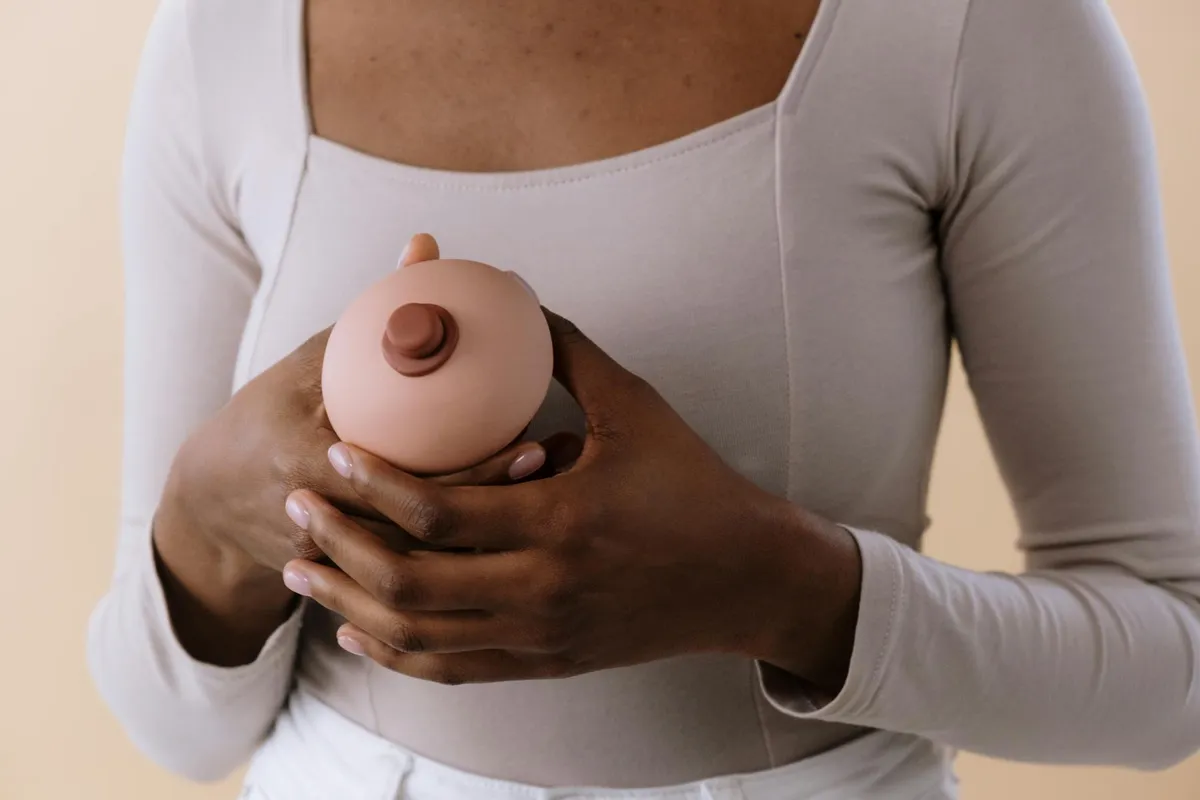
At a glance
What It Is
Painful overfilling of breast tissue with milk, often peaking in the first days after birth as supply establishes.
How It Presents
Breasts feel rock-hard, hot, and tender; latching becomes difficult and nipple sensitivity is heightened.
What May Help
Warm compresses, gentle massage, frequent feeding, and positioning adjustments are commonly explored for relief.
Evidence Context
Moderate evidence supports self-care strategies; research on some complementary approaches remains limited.
See the evidence snapshotWhen to Seek Help
Seek care if fever develops, pain is severe, or redness and swelling suggest possible infection or mastitis.
Explanation
Breast engorgement is painful overfilling of breast tissue with milk, common in the early days of breastfeeding. Warm compresses, therapeutic massage, feeding positioning, and acupuncture are effective holistic approaches for relief and continued lactation support.
Could this be you
Breast engorgement shows up differently for everyone. Browse by how it tends to be felt — these are common experiences, not a checklist or a diagnosis.
Common experiences people describe — not a diagnostic checklist.
Why it happens
Breast engorgement usually comes from a mix of factors rather than a single cause. These are common contributors — not certainties.
A rapid hormonal surge after birth triggers milk production, and when milk builds up faster than it is removed, breast tissue may become overfull and inflamed.
High stress levels may interfere with the let-down reflex, making it harder for milk to flow freely and increasing the likelihood of uncomfortable buildup.
Latch difficulties, infrequent feeding, or a sudden change in feeding schedule can disrupt milk removal and contribute to engorgement episodes.
Irregular or disrupted sleep in the newborn period may lead to longer gaps between feeds, allowing milk to accumulate and pressure in breast tissue to rise.
What happens in the body
Breast engorgement can involve several of the body’s systems. These are common patterns researchers describe — how they show up varies from person to person.
Rapid milk production in the early postpartum period may outpace removal, causing alveoli and ducts to overfill and surrounding tissue to swell.
A sharp postpartum drop in progesterone and estrogen triggers prolactin-driven milk synthesis, which may surge faster than feeding frequency can regulate.
Increased blood and lymphatic fluid flow to breast tissue in early lactation may contribute to localized swelling and the sensation of heat and firmness.
Pressure on sensory nerve endings from distended breast tissue may intensify pain perception, and stress responses may interfere with the oxytocin-driven milk letdown reflex.
Process
Management
Emptying the breast regularly may support pressure relief and help the body calibrate milk supply to match demand.
Applying warmth to the breast before a feed may support milk flow and soften tissue, making latching more comfortable.
Some people find cool compresses or chilled cabbage leaves applied between feeds may help reduce swelling and discomfort.
Gentle massage and manual expression may support milk movement and help relieve pressure when a baby cannot latch easily.
A healthcare provider may discuss over-the-counter anti-inflammatory or analgesic options considered compatible with breastfeeding to help manage acute discomfort.
Self-Care
Feeding or expressing milk every 2 to 3 hours may support relief by preventing excessive buildup and helping regulate supply over time.
A warm compress or brief warm shower before nursing may support milk flow and some people find it eases the firmness and discomfort of a full breast.
Applying a cool cloth or chilled cabbage leaves between feedings may support reduction of swelling and inflammation for some people.
Some practitioners suggest softening the areola with gentle massage or reverse pressure before latching, which may make feeding easier when breasts are very full.
Adequate fluid intake and rest may support overall recovery during the early postpartum period when the body is actively regulating milk production.
The Evidence
What research and clinical practice say about managing breast engorgement in the early postpartum period.
Lactation support and complementary care show real benefit
Breast engorgement is well understood physiologically, and evidence supports both conventional lactation guidance and several complementary approaches. Most cases resolve within days with appropriate feeding support and comfort measures.
Frequent, effective milk removal remains the most supported intervention for engorgement. Warm compresses, therapeutic breast massage, and correct latch positioning have consistent clinical backing. Acupuncture and certain manual therapies show emerging evidence for comfort and milk flow, though study sizes remain modest.
Standard care focuses on feeding frequency, latch optimisation, and milk expression when needed. Cool compresses between feeds may reduce swelling; anti-inflammatory pain relief is sometimes recommended short-term. A lactation consultant or midwife can assess whether engorgement is progressing toward mastitis and guide next steps.
Therapeutic breast massage and acupuncture have been studied for their potential to ease discomfort and support milk letdown. Mindfulness and relaxation practices may help reduce stress-related interference with the oxytocin reflex. These approaches are generally used alongside, not instead of, professional lactation guidance.
Seek prompt medical attention if you develop fever over 38.5°C (101°F) with breast pain, notice red streaks on the skin, feel a hard painful lump with fever, or see pus or unusual nipple discharge. Severe swelling that is not improving with feeding and support also warrants professional evaluation to rule out mastitis or abscess.
A lactation consultant is the most direct resource for feeding positioning and milk removal. Physiotherapists with postnatal experience can assist with therapeutic massage. Acupuncturists trained in postpartum care may offer additional comfort support. For persistent or worsening symptoms, a GP or midwife should be the first point of contact.
While conventional lactation support has strong evidence, research on complementary methods such as acupuncture and herbal medicine for engorgement is still developing. Study populations are often small and follow-up periods short. Complementary care should be seen as supportive rather than a standalone approach, and inflated outcome claims should be viewed with caution.
Safety first
Breast engorgement is manageable, and support helps. Some situations call for prompt professional help.
Explore approaches
Practices people explore for breast engorgement — alongside professional care.
FAQ
In the early days after birth, milk supply and baby demand are not yet in sync. The body produces milk in large volumes before feeding patterns are established, causing tissue to overfill with milk, blood, and lymphatic fluid.
Many people find that applying a warm compress for a few minutes before feeding softens the breast enough to improve latch. Gentle hand massage toward the nipple may support milk flow and ease pressure. Evidence for these approaches is moderate.
Some practitioners suggest acupuncture may support circulation and reduce localized swelling associated with engorgement. Early research is encouraging, though studies remain small and more evidence is needed.
Most engorgement resolves within two to five days as supply adjusts to baby's feeding patterns. Consistent, frequent feeding is widely considered the most important factor in allowing the body to regulate naturally.
If you develop a fever, notice red streaks on the skin, or have a painful hard lump that does not soften after feeding, seek medical attention promptly. These may be signs of mastitis or another infection requiring professional care.
Keep exploring
Browse practitioners, explore honest overviews, and take what you learn to a conversation — at your own pace.