What It Is
Crohn's is a chronic inflammatory bowel disease that can affect any part of the digestive tract.
Understanding Crohn's and finding your path forward
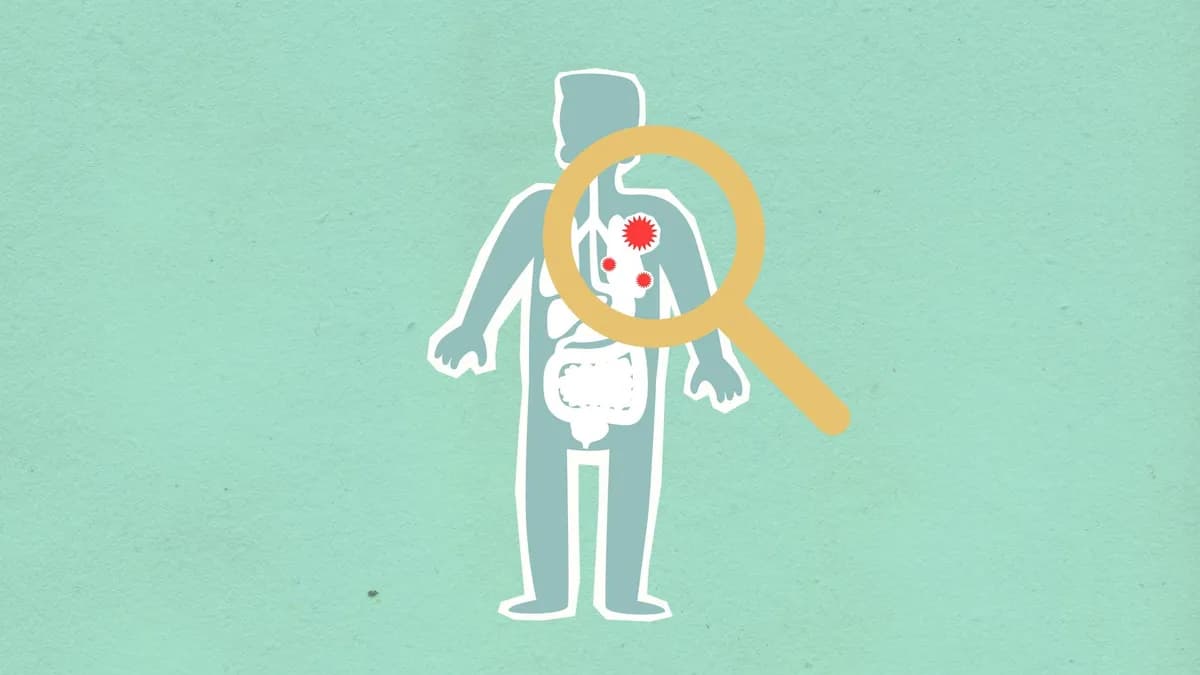
At a glance
What It Is
Crohn's is a chronic inflammatory bowel disease that can affect any part of the digestive tract.
How It Presents
Flares bring abdominal pain, urgent diarrhea, cramping, fatigue, and sometimes unintended weight loss.
What May Help
Dietary adjustments, stress management, and gut microbiome support are commonly explored alongside medical care.
Evidence Context
Research into diet and lifestyle as complementary supports is active, with some approaches showing meaningful benefit.
See the evidence snapshotWhen to Seek Help
Seek medical attention for severe pain, bloody stools, vomiting, rapid weight loss, or worsening symptoms.
Explanation
Crohn's disease is a chronic inflammatory bowel disease causing transmural gut inflammation, abdominal pain, diarrhoea, and fatigue. Nutritional support, anti-inflammatory dietary approaches, stress management, and gut microbiome therapy are used alongside specialist gastroenterological care.
Could this be you
Crohn disease shows up differently for everyone. Browse by how it tends to be felt — these are common experiences, not a checklist or a diagnosis.
Common experiences people describe — not a diagnostic checklist.
Why it happens
Crohn disease usually comes from a mix of factors rather than a single cause. These are common contributors — not certainties.
Genetic variants affecting immune regulation may raise susceptibility to Crohn disease.
Chronic stress may disrupt gut-immune signaling and contribute to flare frequency.
Gut microbial imbalance and prior gut infections may play a role in disease onset.
Poor sleep may heighten systemic inflammation and worsen Crohn disease symptoms.
What happens in the body
Crohn disease can involve several of the body’s systems. These are common patterns researchers describe — how they show up varies from person to person.
The gut wall may develop transmural inflammation across all layers, potentially causing ulceration, strictures, and impaired nutrient absorption.
The mucosal immune response may become dysregulated, with T-cells and cytokines driving persistent inflammation that fails to resolve normally.
Microbial diversity in the gut may be reduced, potentially shifting the balance toward bacteria associated with sustained intestinal inflammation.
The gut-brain axis may amplify pain signaling and stress responses, which are associated with worsening symptom perception during active disease periods.
Process
Management
A doctor may discuss medications such as TNF inhibitors or immunomodulators to help reduce gut inflammation and support remission in Crohn disease.
Short-term corticosteroids are commonly used during active flares to help bring inflammation under control, typically under close medical supervision.
Some people with Crohn disease find that working with a dietitian to identify trigger foods and support gut health may help manage symptoms and nutritional deficiencies.
A liquid nutrition formula used in place of regular food is sometimes explored, particularly when the gut needs rest during a flare or in younger patients.
Some practitioners suggest approaches such as mindfulness or cognitive behavioral therapy to support emotional wellbeing alongside the physical demands of living with Crohn disease.
Self-Care
Tracking meals alongside symptoms may help identify personal trigger foods, since Crohn's responses vary widely from person to person.
Some people with Crohn's find that eating smaller portions throughout the day places less strain on the digestive tract and may support more comfortable digestion during flares.
Low-impact activity such as walking or yoga may support overall wellbeing and stress reduction without placing excess physical demand on the body during active periods.
Adequate, regular sleep may support immune function and stress resilience, both of which are relevant to managing the demands of a chronic inflammatory condition like Crohn's.
Chronic stress is associated with gut flares for many people. Techniques such as diaphragmatic breathing, meditation, or gentle stretching may help support a calmer gut environment over time.
The Evidence
What research and clinical practice currently suggest about Crohn's disease and the approaches used alongside specialist care.
A well-researched condition with evolving complementary support
Crohn's disease is managed primarily through specialist gastroenterological care, with a growing body of evidence supporting dietary, microbiome, and stress-management strategies as adjuncts. Complementary approaches show emerging promise but do not replace medical oversight.
Specialist medical management of Crohn's disease is well-supported by clinical research. Dietary strategies such as exclusive enteral nutrition and anti-inflammatory eating patterns have moderate evidence for symptom support. Complementary approaches including acupuncture and nutritional therapy show early-stage evidence and are best used alongside, not instead of, established care.
Seek urgent medical attention for severe sudden abdominal pain, blood in vomit, black or tarry stools, signs of dehydration, unexplained rapid weight loss, or persistent high fever with pain. These may indicate serious complications requiring immediate professional evaluation. Do not attempt to manage these symptoms with complementary approaches alone.
Medical management typically involves anti-inflammatory and immunosuppressive medications, with surgery considered for complications. Nutritional support, including specific dietary protocols, is increasingly integrated into standard care. Gut microbiome research is an active area, with some evidence supporting probiotic and dietary interventions as adjuncts to medical treatment.
Acupuncture, mindfulness-based stress reduction, and nutritional therapy are among the complementary approaches used alongside conventional care. Evidence is preliminary but growing, particularly for stress management and dietary support. These approaches are most appropriately used as adjuncts, with any changes to care discussed with a qualified practitioner.
Do not discontinue prescribed medication without medical supervision, as this can trigger serious flares or complications. Some herbal medicines may interact with immunosuppressive drugs used in Crohn's management. Always inform all practitioners — including complementary therapists — about your full medication and health history before starting any new approach.
A gastroenterologist or specialist physician should lead Crohn's disease management. Complementary practitioners such as nutritional therapists or acupuncturists can play a supportive role when they are informed of your medical care. Transparent communication across your care team helps avoid interactions and ensures approaches are appropriately tailored to your current disease state.
Safety first
Crohn disease is manageable, and support helps. Some situations call for prompt professional help.
Explore approaches
Practices people explore for crohn disease — alongside professional care.
FAQ
Crohn's causes inflammation that penetrates through the full thickness of the bowel wall and can affect any section of the digestive tract. This transmural inflammation leads to pain, ulceration, and changes in how the gut functions.
Some people find that an anti-inflammatory diet, mindfulness practices, and probiotic support complement their medical treatment. These are not replacements for prescribed therapy but may help with symptom burden and quality of life.
Fatigue in Crohn's can stem from nutrient malabsorption, chronic low-grade inflammation, disrupted sleep, and the psychological weight of managing a long-term condition. Addressing nutritional deficiencies with a clinician may help.
Many people find that low-fiber, easily digestible foods are more tolerable during active flares. In remission, a varied whole-food diet may support gut health. A registered dietitian familiar with IBD can offer personalized guidance.
Contact your doctor if symptoms worsen, you develop a fever, notice blood in stools, experience significant weight loss, or feel unable to stay hydrated. Never stop prescribed Crohn's medication without professional guidance.
Keep exploring
Browse practitioners, explore honest overviews, and take what you learn to a conversation — at your own pace.