What It Is
A chronic condition where ongoing gut inflammation causes flares of pain, diarrhea, and fatigue in cycles
Understanding your gut and finding what supports you
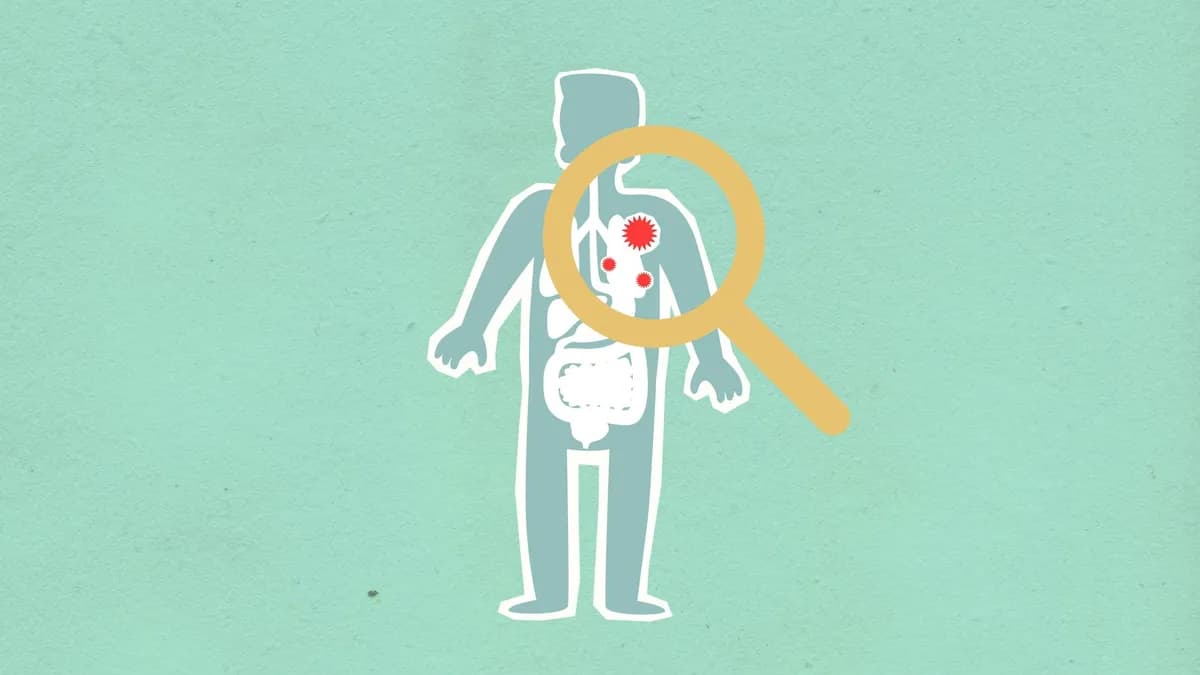
At a glance
What It Is
A chronic condition where ongoing gut inflammation causes flares of pain, diarrhea, and fatigue in cycles
How It Presents
Cramping, urgent diarrhea, deep fatigue, nausea, and anxiety around unpredictable symptom flares
What May Help
Functional nutrition, herbal support, acupuncture, and mindfulness are commonly explored alongside medical care
Evidence Context
Research is growing but mixed; some integrative approaches show early promise for symptom support, not remission
See the evidence snapshotWhen to Seek Help
Severe pain, blood in stool, vomiting, black stools, or significant weight loss need prompt medical attention
Explanation
Crohn's disease is characterised by transmural inflammation — affecting all layers of the gut wall — that can occur anywhere from the mouth to the anus, most commonly in the terminal ileum and colon. The disease follows a relapsing-remitting course. Nutritional support is critical as malabsorption and weight loss are common. Many people with Crohn's disease use integrative approaches to extend remission periods, support gut healing, and reduce inflammatory load alongside their medical treatment.
Could this be you
Crohn's Disease shows up differently for everyone. Browse by how it tends to be felt — these are common experiences, not a checklist or a diagnosis.
Common experiences people describe — not a diagnostic checklist.
Why it happens
Crohn's Disease usually comes from a mix of factors rather than a single cause. These are common contributors — not certainties.
Genetic variants affecting immune regulation may raise susceptibility to Crohn's disease.
Chronic stress may disrupt gut-brain signaling and contribute to flare frequency.
Gut microbial imbalance and prior infections may influence intestinal inflammation risk.
Poor sleep may heighten inflammatory activity and reduce resilience during flares.
What happens in the body
Crohn's Disease can involve several of the body’s systems. These are common patterns researchers describe — how they show up varies from person to person.
Transmural inflammation may damage all layers of the gut wall, impairing nutrient absorption and triggering cycles of diarrhea, cramping, and weight loss.
An dysregulated immune response may cause the body to mistakenly attack gut tissue, sustaining chronic inflammation that drives flares and tissue damage.
Disruptions in microbial diversity may reduce the gut's ability to maintain a healthy mucosal barrier, potentially worsening inflammatory activity over time.
Chronic stress may alter gut-brain signaling and intestinal motility, and is associated with increased symptom severity and more frequent flare episodes.
Process
Management
A doctor may discuss aminosalicylates or corticosteroids to help manage active inflammation during flares, typically as part of an individualized treatment plan.
For moderate to severe cases, a gastroenterologist may consider biologics or immunomodulators to help reduce immune-driven intestinal inflammation over time.
Some practitioners suggest an anti-inflammatory, low-residue, or specific carbohydrate diet may support gut comfort and help identify personal trigger foods during flares.
Some people find regular acupuncture sessions may support relief from abdominal discomfort and stress-related symptom patterns associated with Crohn's disease.
Mindfulness-based practices such as meditation and breathwork are traditionally used to support nervous system regulation, which some find helpful alongside medical care.
Self-Care
Some people with Crohn's find that reducing high-fiber and hard-to-digest foods during active periods may support digestive comfort and help ease cramping and diarrhea.
Spacing out smaller meals throughout the day may support more manageable digestion and reduce the intensity of post-meal symptoms that many people with Crohn's experience.
Chronic stress is a known contributor to flare activity. Mindfulness practices, gentle breathing exercises, or guided meditation may support a calmer gut-brain response over time.
Deep fatigue is a defining feature of Crohn's disease. Establishing a regular sleep schedule and a wind-down routine may support energy levels and overall immune regulation.
Diarrhea associated with Crohn's increases the risk of dehydration. Sipping water, diluted broths, or electrolyte-balanced fluids throughout the day may support fluid balance and reduce fatigue.
The Evidence
What research and clinical practice currently suggest about Crohn's disease and integrative approaches to support management.
Medical care is central; integrative support shows real promise
Crohn's disease has well-established conventional management pathways. Integrative approaches — including nutritional therapy, stress reduction, and gut microbiome support — have growing evidence as adjuncts, though they do not replace medical oversight.
Anti-inflammatory medications, immunosuppressants, and biologics have established evidence for managing Crohn's flares and sustaining remission. Nutritional interventions — particularly exclusive enteral nutrition — have solid evidence, especially in younger populations. Complementary approaches such as acupuncture and mindfulness show emerging benefit for symptom burden and quality of life, though large trials remain limited.
Medical management aims to induce and maintain remission while minimising long-term tissue damage. Nutritional support is a clinical priority given the risk of malabsorption and weight loss. Many gastroenterologists now support integrative strategies — including dietary modification and stress management — as part of a broader care plan, particularly during remission phases.
Nutritional therapy, acupuncture, herbal medicine, and mindfulness-based practices are among the most commonly used complementary approaches in Crohn's disease. Evidence varies by modality and outcome. Some individuals report meaningful improvements in fatigue, stress, and symptom frequency. These approaches are best used alongside — not instead of — medical care, and should be disclosed to your treating clinician.
Seek urgent care for severe abdominal pain, blood in vomit, black or tarry stools, signs of dehydration, persistent high fever, or unexplained rapid weight loss. These may indicate serious complications including obstruction, perforation, or significant bleeding. Do not discontinue prescribed medication without medical supervision, even during periods of remission.
Research into complementary approaches for Crohn's disease is growing but remains limited by small sample sizes, heterogeneous populations, and inconsistent outcome measures. Most studies focus on symptom relief rather than disease modification. This means promising findings should be interpreted cautiously, and inflated outcome claims from any single modality should be viewed with scepticism.
People with Crohn's disease often benefit from a team that includes a gastroenterologist, a dietitian experienced in inflammatory bowel conditions, and — where relevant — integrative practitioners such as a nutritional therapist or acupuncturist. Transparency between all practitioners about treatments being used helps avoid interactions and ensures care is appropriately sequenced around flares and remission periods.
Safety first
Crohn's Disease is manageable, and support helps. Some situations call for prompt professional help.
Explore approaches
Practices people explore for crohn's disease — alongside professional care.
FAQ
Some people find that identifying and avoiding personal trigger foods may support more comfortable day-to-day living. A functional nutrition practitioner can help guide an elimination or low-inflammatory eating approach tailored to your needs.
Herbal medicine, acupuncture, and mindfulness are among the approaches some people explore alongside conventional care. Evidence is moderate and individual responses vary, so working with both a gastroenterologist and integrative practitioners is often suggested.
Many people with Crohn's notice that periods of high stress seem to coincide with symptom flares. Mindfulness-based practices may support nervous system regulation, and some practitioners suggest this could play a role in managing flare frequency.
If you experience severe pain, blood in your stool, signs of dehydration, or unexplained weight loss, seek medical attention promptly. Holistic approaches are best explored as complements to, not replacements for, prescribed medical treatment.
Some herbal preparations may interact with medications used in Crohn's management. Always inform your prescribing doctor and any herbal medicine practitioner of all current treatments before adding new supplements.
Keep exploring
Browse practitioners, explore honest overviews, and take what you learn to a conversation — at your own pace.