What It Is
Osteoporosis is a condition where bones lose density and become more prone to fracture
Understanding bone loss before a fracture changes everything
At a glance
What It Is
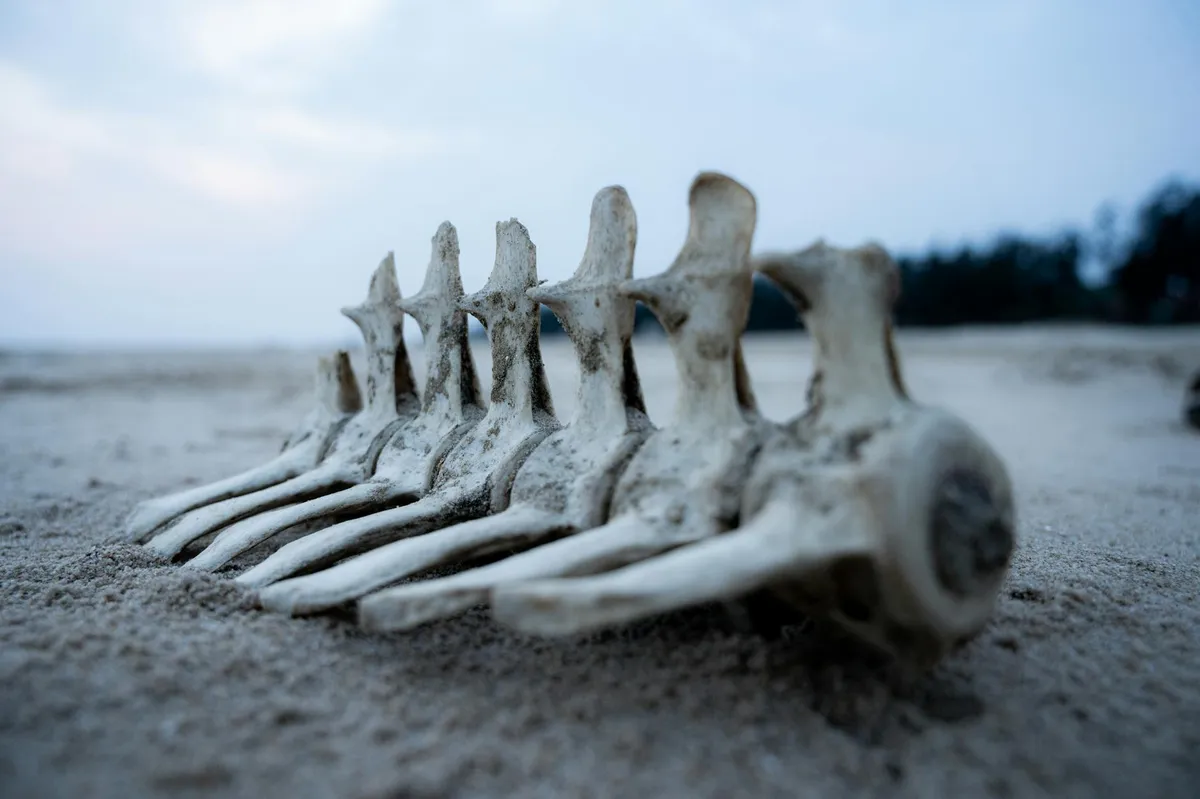
Osteoporosis is a condition where bones lose density and become more prone to fracture
How It Presents
Often silent until a fracture occurs; back pain or height loss may signal vertebral involvement
What May Help
Resistance training, calcium and vitamin D optimisation, and fall prevention strategies are well-studied
Evidence Context
Strong evidence supports weight-bearing exercise and nutrition as foundational to bone health management
See the evidence snapshotWhen to Seek Help
DEXA scanning is recommended for women over 50, men over 65, or after any fragility fracture
Explanation
Osteoporosis is a systemic skeletal condition characterised by reduced bone density and microarchitectural deterioration of bone tissue, leading to increased fracture risk. It is often silent until a fracture occurs — most commonly at the hip, spine, and wrist. Fragility fractures, particularly hip fractures, are associated with significant morbidity, loss of independence, and mortality in older adults. Osteoporosis is common in postmenopausal women due to oestrogen decline, but also affects men and individuals taking long-term corticosteroids.
Could this be you
Osteoporosis shows up differently for everyone. Browse by how it tends to be felt — these are common experiences, not a checklist or a diagnosis.
Common experiences people describe — not a diagnostic checklist.
Why it happens
Osteoporosis usually comes from a mix of factors rather than a single cause. These are common contributors — not certainties.
Ageing and oestrogen decline after menopause accelerate bone loss, as oestrogen normally helps slow the breakdown of old bone tissue.
Chronic stress raises cortisol levels, which over time may interfere with bone-building cells and reduce bone density.
Long-term corticosteroid use, low body weight, smoking, and excessive alcohol are each associated with faster bone loss and higher fracture risk.
Poor or disrupted sleep may affect the hormonal environment that regulates bone turnover, though this area of research is still developing.
What happens in the body
Osteoporosis can involve several of the body’s systems. These are common patterns researchers describe — how they show up varies from person to person.
Bone resorption by osteoclasts may outpace bone formation by osteoblasts, gradually reducing bone density and weakening internal microarchitecture.
Declining oestrogen levels, particularly after menopause, may reduce the signals that normally slow osteoclast activity, accelerating bone loss over time.
Insufficient calcium or vitamin D may impair the body's ability to mineralise bone tissue adequately, potentially contributing to reduced bone strength.
Fear of falling following a fracture diagnosis may reduce physical activity, which can further weaken bones and muscles through disuse and deconditioning.
Process
Management
A doctor may discuss prescription medications such as bisphosphonates or denosumab, which are commonly used to help reduce fracture risk in people diagnosed with osteoporosis.
Adequate calcium and vitamin D intake may support bone density maintenance. Many people do not meet daily targets through diet alone, and supplementation is widely recommended alongside dietary sources.
Weight-bearing activities such as walking, and resistance training using weights or bands, may support bone strength by stimulating bone remodeling over time.
Home safety modifications, balance training, and review of medications that affect steadiness may help reduce the risk of falls, which are a leading cause of fracture in people with osteoporosis.
Reducing alcohol intake and stopping smoking may support bone health. Some practitioners suggest reviewing overall diet quality to ensure adequate protein and micronutrient intake alongside calcium.
Self-Care
Activities like walking, dancing, or stair climbing place stress on bones and may support bone density maintenance over time.
Lifting weights or using resistance bands may help stimulate bone-building cells; some people find even light loads beneficial when done consistently.
Dairy products, fortified plant milks, leafy greens, and canned fish with bones are practical sources that may support bone mineral content.
Many older adults have low vitamin D, which is needed for calcium absorption; a doctor can advise whether supplementation is appropriate for you.
Removing loose rugs, improving lighting, and installing grab bars in bathrooms are practical steps that may lower the chance of a fracture-causing fall.
The Evidence
What research says about bone health, fracture risk, and the approaches most supported by evidence for osteoporosis.
Well-researched condition with clear lifestyle and clinical pathways
Osteoporosis is one of the more thoroughly studied musculoskeletal conditions, with strong evidence supporting exercise, nutrition, and pharmacological approaches for reducing fracture risk. Lifestyle factors play a meaningful role alongside medical management.
Weight-bearing and resistance exercise are the most evidence-supported lifestyle approaches for maintaining bone density and reducing fall risk. Calcium and vitamin D supplementation show benefit in people with confirmed deficiency. Bisphosphonate medications have strong clinical evidence for fracture prevention and remain a cornerstone of medical management.
These movement-based practices are not shown to rebuild lost bone density, but they have meaningful evidence for improving balance, coordination, and muscular strength — all of which reduce fall risk. They are best considered alongside, not instead of, medically supervised bone health management. Nutritional therapy may support dietary adequacy where intake is insufficient.
DEXA scanning measures bone mineral density and informs clinical decision-making. Fracture risk tools such as FRAX help clinicians estimate 10-year fracture probability. Osteoporosis is often identified only after a fragility fracture, making proactive screening important for those with known risk factors such as menopause, long-term corticosteroid use, or family history.
Sudden severe back pain, hip or wrist pain after a fall, noticeable height loss, or a fracture from a minor impact should all prompt prompt medical assessment. Stooped posture developing over time and new bone pain in people taking long-term steroids are also important signals. Do not delay seeking care for these presentations.
High-impact activities with significant fall risk are generally not appropriate for people with severe osteoporosis without professional guidance. Calcium supplementation is typically recommended alongside vitamin D to support absorption. Decisions about stopping or pausing bisphosphonate medication should always involve a qualified clinician — not be made independently based on general information.
While exercise and nutrition play a genuine supporting role, they do not replace medical evaluation, bone density monitoring, or pharmacological management where clinically indicated. Inflated outcome claims for supplements or alternative therapies in this area are not supported by current evidence. Gyfts does not substitute for professional assessment or ongoing medical care.
Safety first
Osteoporosis is manageable, and support helps. Some situations call for prompt professional help.
Explore approaches
Practices people explore for osteoporosis — alongside professional care.
FAQ
A DEXA scan measures bone mineral density and is the standard assessment tool. It is typically recommended based on age, sex, steroid use, or a history of fragility fractures. Early detection allows for timely support before a fracture occurs.
Research strongly supports resistance training and weight-bearing activities as ways to help maintain and may support bone density. Activities like walking, strength training, and balance work are commonly recommended. Consistency over time appears to matter most.
Some people find that tai chi and yoga-based movement may support balance and reduce fall risk. Dietary attention to calcium-rich foods and adequate vitamin D, alongside stress management, are commonly explored as complementary strategies.
If you are a postmenopausal woman over 50, a man over 65, or have had an unexpected fracture, a medical assessment is advisable. Any sudden back pain or a fracture following a minor incident warrants prompt evaluation.
Some practitioners suggest that food-first calcium sources are preferable where possible. Supplementation may be appropriate depending on individual dietary intake and assessed needs. A healthcare provider can help determine what is right for your situation.
Keep exploring
Browse practitioners, explore honest overviews, and take what you learn to a conversation — at your own pace.