What it is
Vitamins and minerals sourced from certified organic ingredients, free from synthetics.
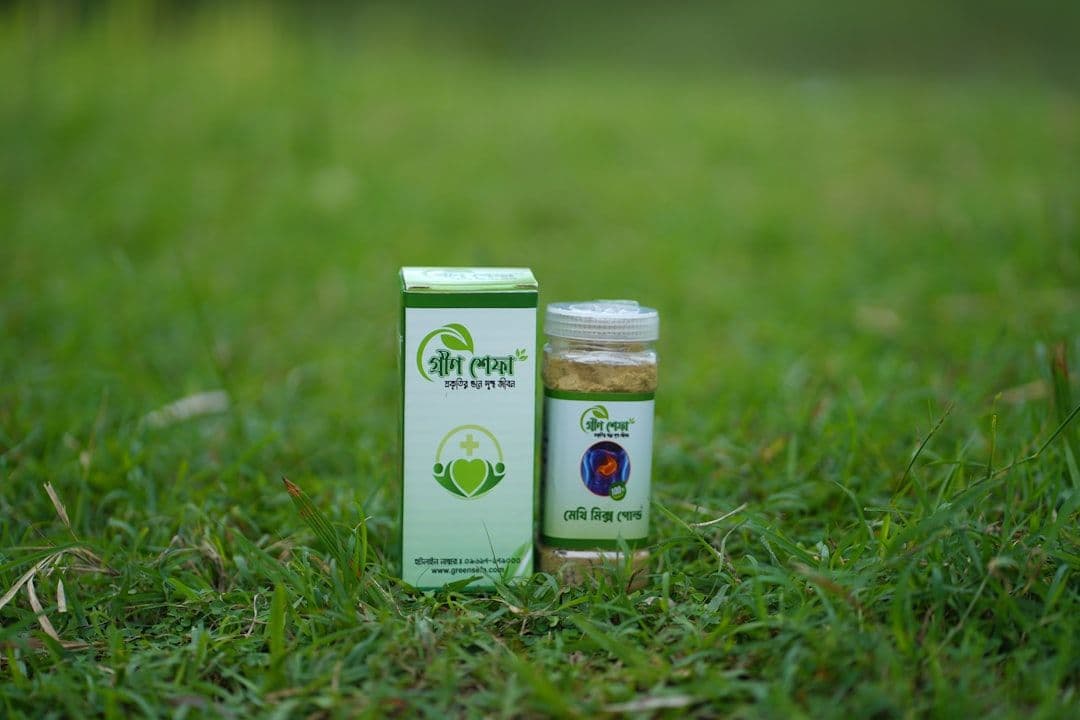
Organic Supplements are natural dietary products derived from organic sources, designed to provide essential nutrients, vitamins, and min...

At a glance
What it is
Vitamins and minerals sourced from certified organic ingredients, free from synthetics.
Why explore it
May help fill nutritional gaps and support energy, immunity, and gut health naturally.
How it’s experienced
Taken daily as capsules, powders, or liquids, with benefits often unfolding gradually over weeks.
Evidence context
Some nutrients like vitamin D are well-studied; evidence for organic sourcing itself is still limited.
See the evidence snapshotSafety
Low-risk when used as directed, but look for NSF or USP certification and tell your provider.
See staying safeHistory & Origin
Organic Supplements are natural dietary supplements derived from organic sources to support health and well-being.
The modern organic supplements movement emerged in the early 20th century as a response to industrialized food production and synthetic pharmaceuticals. Pioneers like Albert Hofmann and early naturopathic doctors recognized that whole-food sources contained complex nutritional compounds beyond isolated nutrients. The organic farming movement, which gained momentum in the 1960s and 1970s following Rachel Carson's environmental advocacy, became intrinsically linked with natural supplement sourcing. Today, the organic supplements industry reflects decades of research into plant chemistry, soil health, and bioavailability, combining traditional herbal knowledge with modern nutritional science. The movement expanded globally as consumers increasingly sought alternatives to synthetic supplements and processed foods, leading to the development of rigorous organic certification standards and third-party testing protocols.
Mechanism
Organic Supplements is usually understood through daily choices, patterns, and gradual behavior change rather than a single session effect. Practitioners may focus on food quality, timing, preparation, symptoms, preferences, culture, and sustainability. Some approaches are tradition-based, while others draw on nutrition science or clinical guidelines. Recommendations should be individualized, especially when medical conditions, pregnancy, medications, or restrictive eating patterns are involved. Organic supplements deliver concentrated nutrients from whole-food or plant-based sources—such as herbs, minerals, and vitamins—that are absorbed by the body to address nutrient gaps or support specific physiological functions.
Your first visit
A typical session outline to help you feel prepared
A session guides you through a personalized supplement plan built around your unique health history and wellness goals, from first conversation to ongoing support.
Your practitioner greets you and takes a few minutes to help you feel at ease before diving into any health details. There is no pressure to share more than you are comfortable with.
You walk through your full health background, including any current medications, dietary habits, sleep patterns, and energy levels. This helps your practitioner understand your body's current baseline.
You discuss what you are hoping to support, whether that is better digestion, more steady energy, improved sleep, or general vitality. Being specific here helps shape a plan that feels meaningful to you.
Your practitioner reviews organic supplement options that align with your profile, explaining what each one is, where it comes from, and how it may support your body's natural processes.
Together you land on a tailored daily protocol, including which supplements to take, the recommended amounts, and the best times of day to take them for maximum benefit.
Your practitioner walks you through any potential interactions to be aware of and answers your questions so you feel confident starting your new routine at home.
You are given a simple way to log how you feel over the coming days and weeks so you can notice shifts in energy, digestion, mood, or sleep as the supplements settle in.
Before you leave, you book a check-in appointment so your practitioner can review your progress and fine-tune your supplement protocol as your health needs evolve.
The Evidence
What research says about organic supplements, where the evidence is strong, and where important gaps remain.
Strong nutrient science; limited organic-specific outcome data
Many individual nutrients in organic supplements have solid research support, but evidence that organic sourcing specifically improves health outcomes beyond conventional supplements remains limited. Quality, formulation, and individual need matter more than the organic label alone.
Nutrients like vitamin D, B vitamins, magnesium, and omega-3 fatty acids have substantial clinical research behind them. However, most trials study isolated nutrients rather than organically sourced formulations. Evidence that organic certification itself produces meaningfully different health outcomes is limited and still evolving.
Organic supplements occupy the Alternative category by prioritising minimally processed, pesticide-reduced, whole-food-derived nutrients. This reflects a philosophy of supporting the body through natural inputs rather than isolated synthetics, though the practical health difference between organic and conventional supplements depends heavily on product quality and individual context.
Research shows that bioavailability is influenced by the form of a nutrient, co-factors present, and individual digestive health. Some organic whole-food supplements retain naturally occurring co-factors that may support absorption. However, a well-formulated conventional supplement can match or exceed a poorly formulated organic one. Third-party testing and quality certification matter significantly.
Most rigorous clinical trials do not distinguish between organic and conventional supplement sources. The reduced pesticide residue argument is plausible but lacks direct long-term outcome data. Phytonutrient profile differences linked to organic farming practices are documented but their clinical significance is not yet well established.
People taking prescription medications, those who are pregnant or breastfeeding, children, and individuals with chronic health conditions should consult a qualified health professional before starting supplements. Some nutrients interact with medications or affect specific conditions. The organic label does not remove the need for professional assessment when health circumstances are complex.
Supplementing without knowing your baseline nutrient status can lead to unnecessary expense or, in some cases, excess intake of fat-soluble vitamins or minerals. A nutritionist, dietitian, or integrative health practitioner can assess your needs, review your diet, and recommend evidence-informed options suited to your circumstances.
Safety first
General guidance to help you decide whether this approach is appropriate for you. This is informational only and not a substitute for medical, psychological, or professional advice.
If you are pregnant, managing a health condition, recovering from injury or surgery, or taking medication, consult a qualified healthcare professional first.
Some situations call for extra care or a different approach. Share any conditions, injuries, or sensitivities with your practitioner before your first session.
Look for clear boundaries, transparent pricing, and practitioners who avoid fear-based claims or pressure to book frequent sessions.
Mild, short-lived effects such as tenderness, tiredness, or temporary soreness can occur. Rest, hydrate, and tell your practitioner how you respond.
For you?
A simple, human way to weigh it up. This is general guidance, not personal medical advice — a qualified practitioner can advise on your situation.
Gyfts is a discovery platform, not a medical provider. Nothing here diagnoses, treats or replaces professional care. In an emergency, contact your local emergency number.
Explore approaches
Other practices people often explore alongside organic supplements.
In their words
FAQ
Timeline varies significantly depending on the supplement, your baseline health, and the specific condition being addressed. Some people notice energy improvements within days or weeks, while others may need 6-12 weeks to observe meaningful changes. Nutritional deficiencies typically require 4-8 weeks to resolve, while some conditions like joint health may take 8-12 weeks. Consistency is crucial—taking supplements as directed yields better results than sporadic use.
Organic supplements are sourced from organically grown plants without synthetic pesticides or GMO ingredients, which appeals to many health-conscious consumers. However, the body often processes certain synthetic and natural forms of nutrients similarly. Quality matters more than the organic label alone—a high-quality synthetic supplement with third-party testing may be superior to a low-quality organic product. The best choice depends on your values, budget, and specific nutritional needs.
Many supplements can be safely combined, but some nutrient combinations are more effective than others, and some can interfere with absorption or cause interactions. Fat-soluble vitamins (A, D, E, K) are best taken with meals containing fat. Certain minerals compete for absorption, so spacing them apart may improve effectiveness. A qualified practitioner can design a protocol optimizing your specific combination for maximum benefit and safety.
Look for third-party testing certifications from recognized organizations like NSF International, USP, or ConsumerLab, which verify that products contain what the label claims and are free from contaminants. Check for USDA Organic certification if organic sourcing is important. Research the manufacturer's reputation, look for transparent ingredient sourcing, and verify expiration dates and storage conditions. Products should list all ingredients including fillers and binders, with no vague proprietary blends.
It depends on the supplement type. Fat-soluble vitamins (A, D, E, K) and omega-3s require dietary fat for proper absorption and should be taken with meals. Most B vitamins are water-soluble and can be taken with or without food, though some people experience better tolerance with food. Iron supplements are absorbed better on an empty stomach but may cause nausea, so taking with food (avoiding calcium) is often practical. Always follow product-specific instructions or practitioner recommendations.
Yes, many supplements interact with medications and can reduce medication effectiveness or increase side effects. St. John's Wort interferes with antidepressants and birth control, high-dose vitamin E affects blood thinners, and calcium can interfere with certain antibiotics if taken together. Always inform your doctor and pharmacist about all supplements you're taking. When starting new medications, ask specifically about supplement interactions. Some practitioners coordinate care with your medical doctor to manage potential interactions.
Some supplements are considered safe during pregnancy and breastfeeding, while others pose risks. Prenatal vitamins with appropriate folate levels are beneficial, but many herbal supplements haven't been adequately studied in pregnant women. High-dose supplements, certain herbs, and some minerals can pose risks to fetal development or breast milk quality. Always consult with your prenatal care provider before taking any supplements during pregnancy or while breastfeeding—don't assume natural means safe during this sensitive period.
Most supplements should be stored in cool, dark places—not bathroom cabinets where heat and humidity degrade them. Keep supplements in original containers with secure lids, away from direct sunlight. Many supplements have shorter shelf lives than pharmaceuticals, so check expiration dates regularly and discard expired products. Some supplements like probiotics require refrigeration; follow storage instructions on product labels. Proper storage maintains potency and prevents contamination.
References
Educational sources that inform this overview. Inclusion is for context and does not imply endorsement.
Full citations are maintained by the Gyfts editorial team and reviewed periodically.
Keep exploring
Browse practitioners, explore honest overviews, and take what you learn to a conversation — at your own pace.