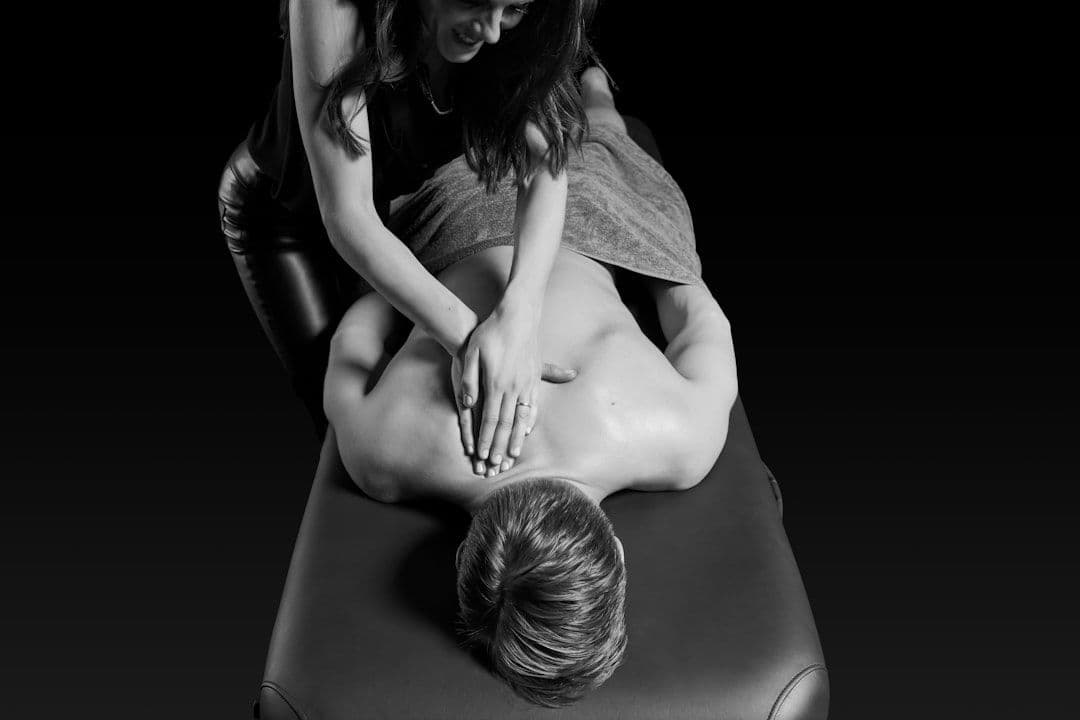
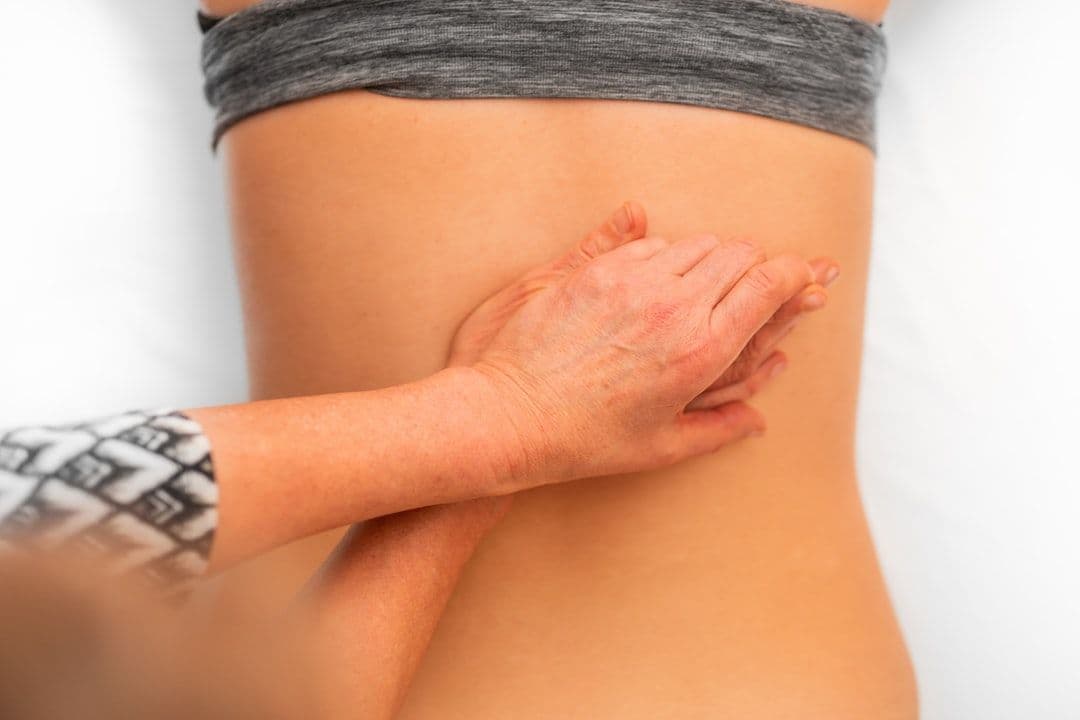
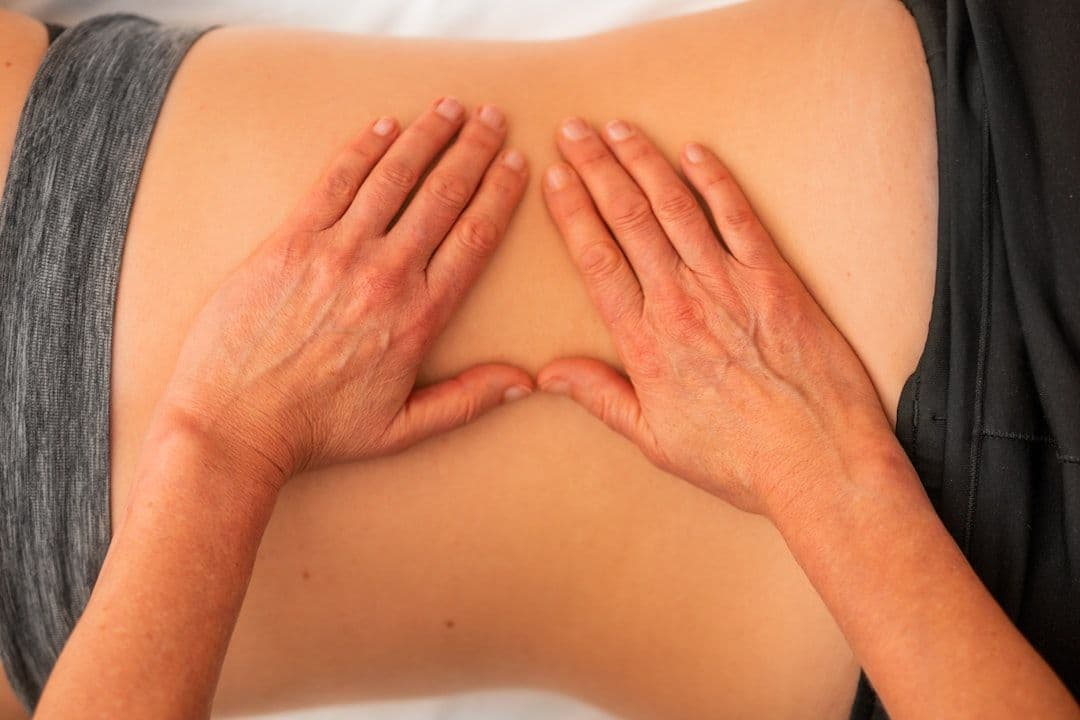
What It Is
Internal scar tissue bands that form after surgery, connecting tissues that are normally separate
Understanding the hidden scar tissue that may linger after surgery
At a glance
What It Is
Internal scar tissue bands that form after surgery, connecting tissues that are normally separate
How It Presents
Pulling or cramping abdominal pain, restricted movement, pelvic discomfort, or bowel changes
What May Help
Manual therapy, osteopathy, lymphatic drainage, and gentle movement are commonly explored
Evidence Context
Research is growing but moderate; some manual approaches show promise in early or small studies
See the evidence snapshotWhen to Seek Help
Seek urgent care for bowel obstruction signs; see a specialist for chronic unexplained pelvic pain
Explanation
Post-operative adhesions are bands of fibrous scar tissue that form between internal organs and tissues following surgery or abdominal-pelvic injury or infection. They are a common complication of abdominal and pelvic surgery, forming as the body's wound healing response. Adhesions can cause chronic pain, restricted movement, bowel obstruction, and infertility. Myofascial and visceral manipulation techniques offer a non-surgical approach to improving tissue mobility and reducing pain related to adhesions.
Could this be you
Post-operative adhesions shows up differently for everyone. Browse by how it tends to be felt — these are common experiences, not a checklist or a diagnosis.
Common experiences people describe — not a diagnostic checklist.
Why it happens
Post-operative adhesions usually comes from a mix of factors rather than a single cause. These are common contributors — not certainties.
The body's natural wound-healing response after abdominal or pelvic surgery can cause internal tissues to bind together as scar tissue forms.
Chronic stress may dampen immune regulation, potentially influencing how aggressively scar tissue develops after surgery.
Conditions like endometriosis or prior pelvic infection may raise the likelihood of significant adhesion formation post-surgery.
Poor sleep may impair tissue repair processes, possibly affecting how scar tissue organizes after an operation.
What happens in the body
Post-operative adhesions can involve several of the body’s systems. These are common patterns researchers describe — how they show up varies from person to person.
After surgical trauma, fibroblasts may deposit excess collagen between tissue layers, forming fibrous bands that restrict normal organ and fascial movement.
Fibrous bands between bowel loops or the abdominal wall may tether intestinal segments, potentially slowing transit, causing cramping, or contributing to partial obstruction.
Adhesions in the pelvic cavity may bind reproductive organs or the bladder, which can contribute to chronic pelvic pain, painful intercourse, or reduced fertility.
Mechanical tension from fibrous adhesions may sensitize local nociceptors over time, potentially contributing to persistent pain that outlasts the original surgical healing period.
Process
Management
A surgeon may discuss laparoscopic or open adhesiolysis to physically separate adhesion bands causing obstruction or significant pain, typically reserved for cases where conservative approaches have not helped.
Some practitioners suggest hands-on techniques such as visceral manipulation or myofascial release may support mobility and comfort in areas affected by internal scar tissue, though individual results vary.
A physiotherapist trained in pelvic and abdominal rehabilitation may work to address movement restrictions and pain patterns that some people find associated with post-operative adhesions.
Some people find that reducing processed foods and emphasising omega-3-rich and plant-based foods may support the body's general inflammatory environment, though direct effects on existing adhesions are not established.
A doctor may discuss options such as nerve pain medications or referral to a pain specialist for people experiencing chronic discomfort attributed to adhesions, tailored to the individual's symptom picture.
Self-Care
Short walks or light stretching may help maintain mobility and reduce the sensation of tightness that some people experience with adhesions.
Slow, diaphragmatic breathing may support tissue mobility around the abdomen and some people find it helps ease pulling discomfort over time.
Working with a trained therapist on myofascial release may help address tension patterns in surrounding tissue, some practitioners suggest.
A diet rich in vegetables, oily fish, and whole grains may support the body's internal environment during recovery from abdominal surgery.
Chronic stress may heighten pain sensitivity. Practices like meditation or gentle yoga may help some people manage ongoing discomfort.
The Evidence
What research and clinical practice currently suggest about post-operative adhesions and approaches to managing them.
A common surgical complication with developing non-surgical options
Post-operative adhesions are well-documented as a frequent consequence of abdominal and pelvic surgery. Evidence for manual and complementary approaches to adhesion-related pain is emerging, while surgical intervention remains reserved for serious complications.
Visceral manipulation and myofascial release have a growing body of clinical use and emerging research supporting their role in reducing adhesion-related pain and improving tissue mobility. Evidence quality varies and larger controlled trials are limited. Surgical adhesiolysis has stronger evidence but is generally reserved for obstructive complications.
Adhesions may cause chronic abdominal or pelvic pain, restricted movement, painful intercourse, or altered bowel function. Because symptoms often develop long after the original procedure, many people go without a clear explanation for some time. Imaging does not reliably detect adhesions, so clinical history and assessment are central to evaluation.
Osteopathy, physiotherapy, visceral manipulation, and massage are commonly used to address tissue mobility and pain associated with adhesions. These approaches aim to improve movement and comfort rather than remove scar tissue structurally. They are best understood as supportive options within a broader care plan, not as standalone solutions.
Severe or sudden abdominal pain, persistent vomiting, complete inability to pass stool or gas, or rapidly worsening symptoms may indicate bowel obstruction — a serious complication requiring urgent medical care. Do not attempt to manage these symptoms with manual therapy or self-care. Seek medical attention promptly if any of these occur.
Aggressive manual work over recently healed surgical tissue carries risk and should be avoided in the early post-operative period. Practitioners should have relevant training in post-surgical and visceral work. Symptoms suggesting obstruction or acute complications should always be assessed medically before any manual intervention is considered.
Practitioners experienced in visceral manipulation, pelvic physiotherapy, or post-surgical osteopathy are best placed to assess and support adhesion-related concerns. Sharing your full surgical history helps practitioners tailor their approach safely. Complementary care works best when coordinated with your medical team, particularly if complications are present or suspected.
Safety first
Post-operative adhesions is manageable, and support helps. Some situations call for prompt professional help.
Explore approaches
Practices people explore for post-operative adhesions — alongside professional care.
FAQ
Adhesions can slowly tighten or shift over time, placing tension on nearby organs or nerves. This is why some people experience discomfort long after their original procedure has healed.
Some people find that osteopathy or manual lymphatic drainage may support tissue mobility and reduce discomfort. Evidence is still developing, so these approaches work best alongside medical guidance.
Seek urgent assessment if you experience severe abdominal pain, vomiting, or inability to pass stool, as these may indicate bowel obstruction. Chronic dull pain or restricted movement also warrants professional evaluation.
Adhesions are often difficult to detect on standard imaging, which can make diagnosis frustrating. In some cases, they are only confirmed during further surgical procedures.
Gentle, guided movement is generally considered beneficial and some practitioners suggest it may support tissue flexibility over time. A physiotherapist familiar with post-surgical recovery can help tailor an appropriate approach.
Keep exploring
Browse practitioners, explore honest overviews, and take what you learn to a conversation — at your own pace.