What it is
Stiffness is associated with inflammatory arthritis, osteoarthritis, fibromyalgia, and Parkinson's disease.
A sensation of reduced flexibility or resistance to movement in muscles, joints, or the body as a whole. May be acute or chronic, and is associated with a wide range of musculoskeletal, inflammatory, and neurological conditions.
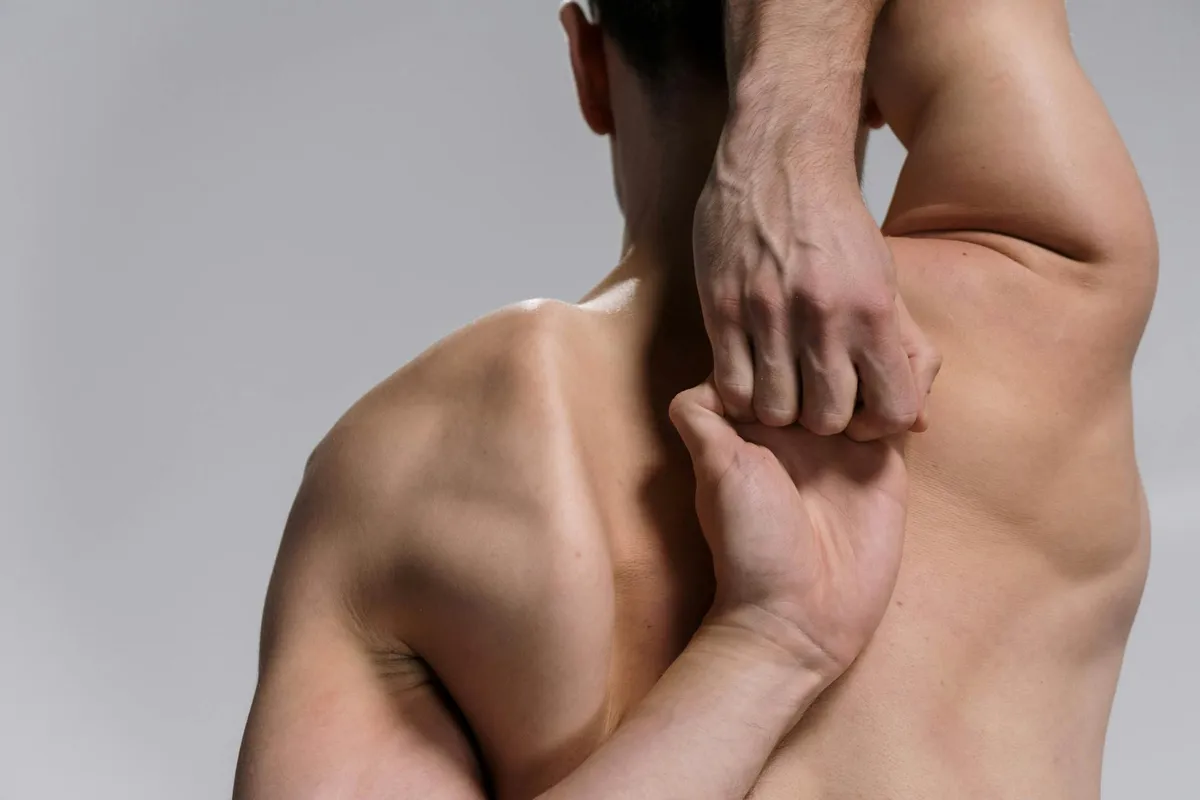
At a glance
What it is
Stiffness is associated with inflammatory arthritis, osteoarthritis, fibromyalgia, and Parkinson's disease.
Commonly experienced as
Evidence context
Emerging evidenceSee the evidence snapshotSafety
See staying safeContext
Stiffness describes a broad symptom of reduced ease, flexibility, or fluency of movement — present across a wide range of musculoskeletal, neurological, and systemic conditions. Its diagnostic significance depends heavily on context: morning stiffness lasting more than 45 minutes strongly suggests inflammatory arthritis; stiffness resolving within 15 minutes suggests mechanical cause; stiffness in a limb that resists passive movement throughout its range is neurological rigidity. General stiffness across the body is characteristic of fibromyalgia, hypothyroidism, and the immediate post-exertional period of intense exercise. Stiffness after immobility that improves with movement is typical of osteoarthritis. The pattern, distribution, timing, and modifying factors determine the most appropriate assessment path.
Could this be you
Stiffness shows up differently for everyone. Browse by how it tends to be felt — these are common experiences, not a checklist or a diagnosis.
Common experiences people describe — not a diagnostic checklist.
Explore next
The Evidence
What the evidence says about stiffness — its patterns, what they may signal, and which approaches have the strongest support.
Stiffness is a signal — its pattern shapes the right response
Stiffness is a non-specific symptom with real diagnostic value when its timing, duration, and distribution are considered carefully. Exercise has the strongest evidence base across most causes; some patterns require prompt professional assessment.
Morning stiffness lasting more than 60 minutes with symmetrical joint involvement may indicate inflammatory arthritis. Progressive spinal stiffness in a young adult, or stiffness accompanied by rigidity and tremor, requires specialist review. New onset stiffness with fever or systemic symptoms should not be self-managed.
Morning stiffness lasting more than 45 minutes is a recognised marker for inflammatory arthritis. Stiffness that eases within 15 minutes of movement suggests a mechanical cause such as osteoarthritis. Stiffness that resists passive movement throughout a limb's range points toward a neurological origin. Pattern recognition guides appropriate next steps.
Across osteoarthritis, inflammatory arthritis, fibromyalgia, and deconditioning, regular movement and structured exercise show the strongest evidence for reducing stiffness and improving function. Aquatic and hydrotherapy exercise has particular support for inflammatory arthritis. Evidence for other approaches varies considerably by condition and individual.
Forced passive stretching beyond a pain limit during active inflammation can worsen joint damage. Assuming prolonged morning stiffness is normal ageing — without professional screening — risks delayed identification of inflammatory conditions. If stiffness is new, worsening, or accompanied by other symptoms, professional assessment is the appropriate first step.
Traditional Chinese Medicine classifies stiffness under Bi syndrome, with Cold-Damp patterns considered to produce the most pronounced stiffness — addressed through acupuncture, moxa, and cupping. Ayurveda uses Abhyanga (oil massage) and Svedana (herbal steam) to work through the skin and tissues. These frameworks reflect cultural health traditions; evidence varies by modality and condition.
Physiotherapy, rheumatology, and general practice are the primary professional pathways depending on suspected cause. Complementary approaches such as massage, hydrotherapy, and movement-based practices may support comfort and function alongside professional care. The most appropriate path depends on the pattern, duration, and any accompanying symptoms.
Safety first
General, informational guidance — not diagnostic. A qualified practitioner can advise on your own situation.
Top Practitioners
Practitioners are ranked using relevance, experience signals, reviews, and support-area fit.
References
Educational sources that inform this overview. Inclusion is for context and does not imply endorsement.
Full citations are maintained by the Gyfts editorial team and reviewed periodically.
Keep exploring
Browse practitioners, explore honest overviews, and take what you learn to a conversation — at your own pace.