What It Is
A chronic skin condition causing scaly patches in oily areas, linked to yeast and immune response
Understanding the skin beneath the flakes
At a glance
What It Is
A chronic skin condition causing scaly patches in oily areas, linked to yeast and immune response
How It Presents
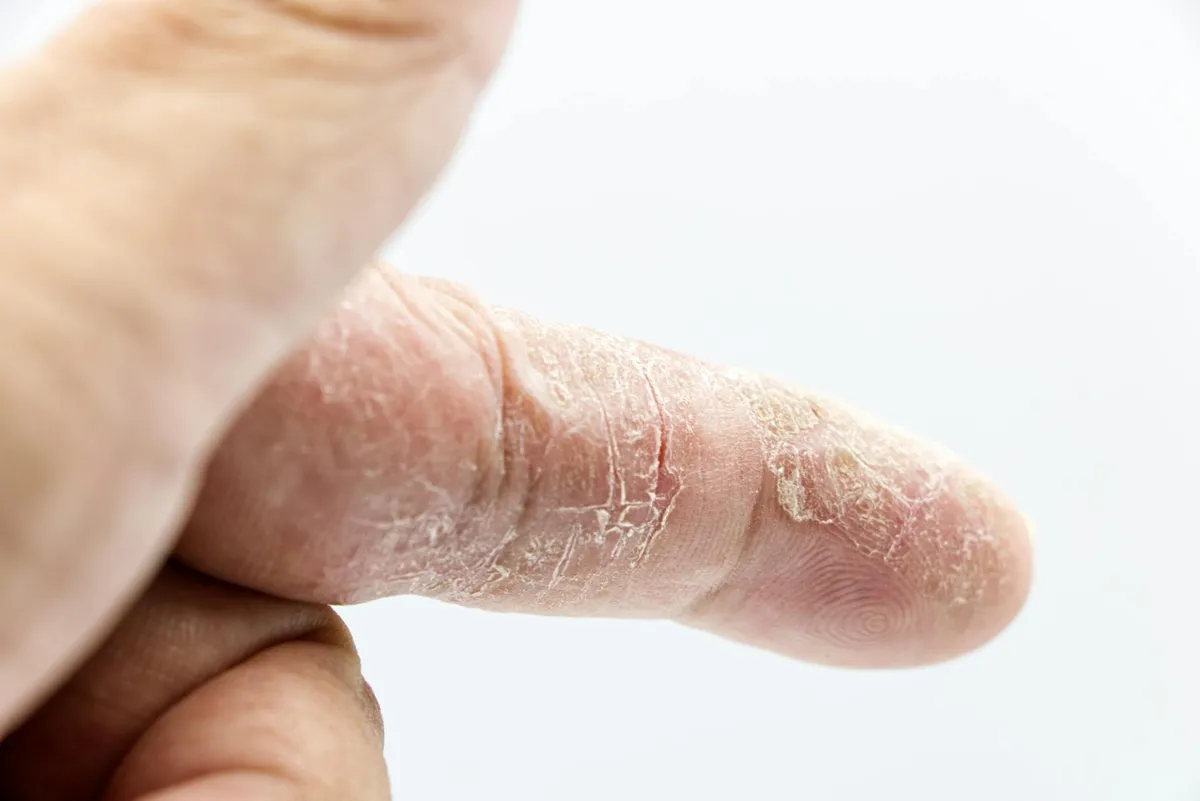
Flaky scalp, greasy scales, redness, and itching on the face, scalp, and chest areas
What May Help
Probiotic support, anti-inflammatory nutrition, and gentle skincare may help some people manage flares
Evidence Context
Research on holistic approaches is moderate; some strategies show promise alongside standard dermatology care
See the evidence snapshotWhen to Seek Help
See a doctor if symptoms spread, worsen, or significantly affect your daily life and wellbeing
Explanation
Seborrhoeic dermatitis causes flaky, scaly patches and redness on the scalp, face, and oily areas, linked to yeast overgrowth, immune response, and sebum production. Probiotic support, anti-inflammatory nutrition, and topical natural antifungals are used alongside conventional treatment.
Could this be you
Seborrhoeic dermatitis shows up differently for everyone. Browse by how it tends to be felt — these are common experiences, not a checklist or a diagnosis.
Common experiences people describe — not a diagnostic checklist.
Why it happens
Seborrhoeic dermatitis usually comes from a mix of factors rather than a single cause. These are common contributors — not certainties.
Yeast overgrowth and excess sebum production may trigger flaking and redness in genetically prone individuals.
Psychological stress is a well-recognized flare trigger, potentially disrupting immune regulation in the skin.
Conditions affecting immunity or hormone balance may increase susceptibility to seborrhoeic dermatitis flares.
Poor sleep may weaken skin barrier function, some people find flares worsen during periods of fatigue.
What happens in the body
Seborrhoeic dermatitis can involve several of the body’s systems. These are common patterns researchers describe — how they show up varies from person to person.
Excess sebum production may create an environment where Malassezia yeast overgrows, triggering localized inflammation that leads to scaling and redness.
The skin's immune response to Malassezia byproducts may become dysregulated, producing inflammatory signals that drive itching, irritation, and barrier disruption.
Hormonal fluctuations may influence sebum gland activity, which could contribute to flare patterns observed during puberty, stress, or hormonal shifts.
Stress-related neurochemical changes may alter immune signaling and skin barrier function in ways that appear to worsen or trigger seborrhoeic dermatitis flares.
Process
Management
A doctor may discuss medicated shampoos or topical creams containing antifungal agents, which are commonly recommended to help manage yeast overgrowth associated with seborrhoeic dermatitis flares.
Short-term use of low-potency topical corticosteroids is sometimes discussed by dermatologists to help reduce redness and irritation during more significant flare-ups, typically under medical guidance.
Over-the-counter shampoos containing coal tar or selenium sulfide are traditionally used to help slow skin cell turnover and reduce scaling on the scalp, and some people find these helpful for ongoing management.
Some people explore professional organic facials using non-irritating, fragrance-free formulations, which may support skin barrier comfort and help reduce sensitivity in affected facial areas.
Some practitioners suggest that an anti-inflammatory diet rich in whole foods and low in refined sugars may support overall skin balance, as dietary factors are considered by some to influence sebum production and microbial balance.
Self-Care
Harsh soaps and fragranced products may aggravate skin barrier disruption. Some people find that switching to mild, non-irritating cleansers helps reduce redness and flaking over time.
Some practitioners suggest that reducing refined sugars and increasing omega-3-rich foods like salmon and flaxseed may support a calmer inflammatory response in skin prone to seborrhoeic dermatitis.
Stress is a well-recognized flare trigger for seborrhoeic dermatitis. Regular practices such as mindfulness, gentle movement, or breathwork may support longer periods of remission for some individuals.
Disrupted sleep may contribute to hormonal fluctuations and increased inflammation. Some people find that consistent sleep schedules help reduce the frequency and intensity of flares.
Keeping a simple log of flare-ups alongside diet, weather, products, and stress levels may help you recognize patterns. Avoiding identified irritants is one of the most practical ways to manage this condition day to day.
The Evidence
What research and clinical practice currently suggest about seborrhoeic dermatitis and the approaches used to support it.
Well-understood condition with established and emerging support options
Seborrhoeic dermatitis is a recognised chronic skin condition with solid conventional management options. Complementary approaches including nutrition, stress reduction, and topical natural antifungals show emerging evidence as supportive strategies alongside standard care.
Medicated shampoos, topical antifungals, and corticosteroids are well-supported by clinical research for managing flares. Complementary strategies — including dietary adjustments, probiotic support, and stress management — have emerging but more limited evidence. Most studies are small or short-term, so findings should be interpreted with appropriate caution.
Clinically, the condition is linked to Malassezia yeast activity in sebum-rich areas, triggering localised immune responses that produce scaling, redness, and itch. Hormonal shifts and stress appear to influence flare frequency. It is considered a chronic relapsing condition — manageable but not typically resolved permanently with current approaches.
Some practitioners use anti-inflammatory nutrition, gut-focused strategies, and topical herbal preparations as adjuncts to conventional dermatological care. Evidence for these approaches in seborrhoeic dermatitis specifically is limited and largely preliminary. They are best considered supportive rather than primary interventions, and should not replace professional assessment or prescribed management.
Stress reduction, consistent skincare routines, and avoiding known irritants are widely recommended as part of self-management. Cold or dry weather and certain cosmetic products are frequently associated with worsening symptoms. While lifestyle evidence is largely observational, these factors are considered clinically relevant and worth addressing as part of a broader management approach.
Seek prompt medical attention if you experience rapidly spreading skin infection, fever alongside skin symptoms, severe facial swelling, or signs of systemic illness. Painful or inflamed lesions that worsen quickly should also be assessed without delay. Do not stop prescribed dermatological medications without guidance from a qualified healthcare professional.
Professional assessment is important to confirm the condition and rule out other causes of scaling or redness. Complementary practitioners — including nutritional therapists, naturopaths, or acupuncturists — can offer supportive strategies, but should be informed of any prescribed treatments. Transparent communication across your care team helps avoid interactions and ensures approaches are appropriately coordinated.
Safety first
Seborrhoeic dermatitis is manageable, and support helps. Some situations call for prompt professional help.
Explore approaches
Practices people explore for seborrhoeic dermatitis — alongside professional care.
FAQ
Flares are often linked to stress, cold weather, hormonal shifts, and certain skincare products. The Malassezia yeast naturally present on skin may overgrow when sebum production increases, triggering the immune response behind redness and scaling.
Some people find that dietary changes and probiotic support help reduce flare frequency. Evidence is moderate, so these approaches work best alongside — not instead of — dermatologist-recommended care.
Some practitioners suggest that reducing sugar and refined carbohydrates may support a less reactive skin environment. Anti-inflammatory foods like leafy greens and omega-3-rich fish are commonly explored by people managing this condition.
If scaling spreads beyond typical areas, if redness becomes intense or painful, or if over-the-counter options provide no relief after several weeks, a dermatologist visit is advisable. Never stop prescribed treatments without medical guidance.
Some people find that gentle, professional facials using non-irritating, fragrance-free products may support skin comfort during mild phases. Always inform your practitioner of your condition so they can tailor the approach safely.
Keep exploring
Browse practitioners, explore honest overviews, and take what you learn to a conversation — at your own pace.