What it is
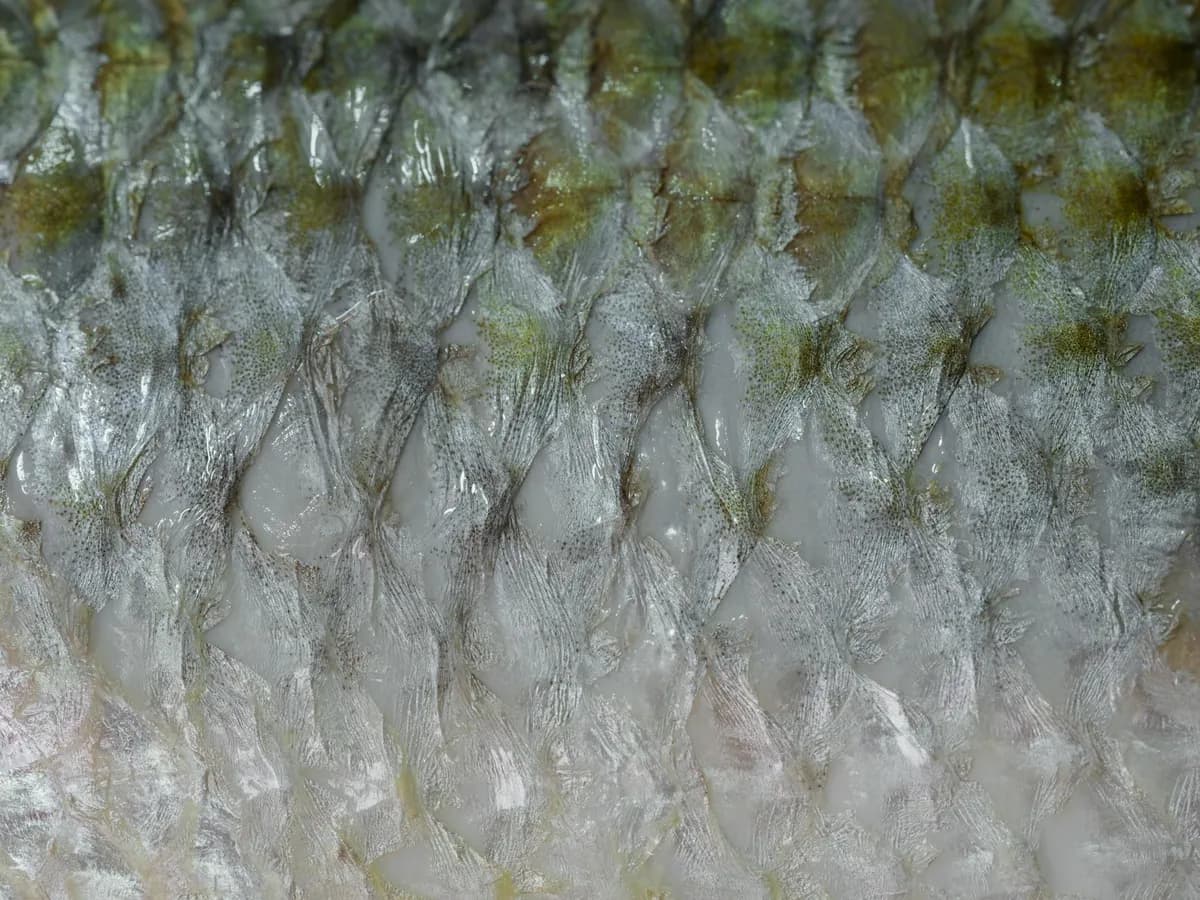
Greasy, silvery, or waxy scaling of the skin surface, associated with seborrhoeic dermatitis or psoriasis.
Greasy, silvery, or waxy scaling of the skin surface, associated with seborrhoeic dermatitis or psoriasis.
At a glance
What it is
Greasy, silvery, or waxy scaling of the skin surface, associated with seborrhoeic dermatitis or psoriasis.
Commonly experienced as
Evidence context
Research-supportedSee the evidence snapshotContext
Oily scales describe the scaly, greasy, or silvery surface changes of seborrhoeic dermatitis and psoriasis — two of the most prevalent chronic inflammatory skin conditions. Seborrhoeic scales are typically yellowish-white and greasy, found in sebaceous areas (scalp, face, chest). Psoriatic scales are typically thicker, more silvery, and sit on raised red plaques in a sharply demarcated distribution. Scale in both conditions results from accelerated epidermal turnover and abnormal keratinocyte differentiation driven by inflammatory cytokines. The oily quality of seborrhoeic scales distinguishes them from the drier scales of psoriasis and from simple dandruff, though the conditions can coexist.
Could this be you
Oily Scales shows up differently for everyone. Browse by how it tends to be felt — these are common experiences, not a checklist or a diagnosis.
Common experiences people describe — not a diagnostic checklist.
The Evidence
What research and clinical practice tell us about oily scales, their causes, and the approaches with the strongest support.
Well-studied skin symptom with effective mainstream options
Oily scales are a hallmark of seborrhoeic dermatitis and psoriasis, both extensively researched chronic inflammatory skin conditions. Evidence-backed interventions range from antifungal agents to targeted biologics, depending on severity and underlying cause.
Seek prompt professional attention if scaling is accompanied by rapidly spreading rash with fever, or signs of skin infection such as increasing redness, warmth, swelling, or pus. A skin lesion that changes shape, colour, or size quickly, or a wound that does not heal, also warrants professional assessment. These are not typical features of seborrhoeic dermatitis or psoriasis.
Ketoconazole shampoos and creams have strong evidence for seborrhoeic scales, targeting the Malassezia yeast implicated in the condition. Salicylic acid has strong evidence as a keratolytic for psoriatic scale removal. For moderate-to-severe psoriasis, biologic therapies targeting specific inflammatory pathways have very strong evidence from large randomised trials.
In both seborrhoeic dermatitis and psoriasis, inflammatory cytokines disrupt normal keratinocyte differentiation, causing skin cells to accumulate faster than they shed. Seborrhoeic scales are typically yellowish and greasy, concentrated in sebaceous-rich areas. Psoriatic scales are thicker and more silvery, sitting on raised, sharply bordered red plaques. The two conditions can coexist.
Mild seborrhoeic dermatitis often responds to medicated shampoos and topical antifungals available without prescription. Psoriasis management ranges from topical corticosteroids and vitamin D analogues to phototherapy and biologics for severe cases. Complementary approaches such as coal tar, tea tree oil, and dietary modification are used by some people, though evidence varies and professional guidance is advisable.
While mainstream interventions are well-evidenced, many complementary and holistic approaches for oily scales have limited or inconsistent trial data. Individual responses vary considerably, and no single approach works for everyone. This content is educational and is not a substitute for professional assessment of your skin.
If scaling is persistent, widespread, or not responding to over-the-counter options, a GP or dermatologist can assess whether the cause is seborrhoeic dermatitis, psoriasis, or another condition. Accurate identification of the underlying cause matters because management differs meaningfully between conditions. Specialist referral is appropriate for moderate-to-severe or uncertain presentations.
References
Educational sources that inform this overview. Inclusion is for context and does not imply endorsement.
Full citations are maintained by the Gyfts editorial team and reviewed periodically.
Keep exploring
Browse practitioners, explore honest overviews, and take what you learn to a conversation — at your own pace.