What It Is
Stroke occurs when blood supply to the brain is interrupted, causing rapid brain cell damage.
Finding your way forward after stroke, one step at a time
At a glance
What It Is
Stroke occurs when blood supply to the brain is interrupted, causing rapid brain cell damage.
How It Presents
One-sided weakness, speech difficulty, vision loss, and balance problems are most common.
What May Help
Physiotherapy, occupational therapy, acupuncture, and nutritional support are widely explored.
Evidence Context
Strong evidence supports structured rehabilitation; complementary approaches show promising early data.
See the evidence snapshotWhen to Seek Help
Seek emergency care immediately for any sudden neurological symptom — time is critical in stroke.
Explanation
Stroke involves sudden brain damage from interrupted blood supply, causing lasting motor, cognitive, speech, and emotional effects. Integrative rehabilitation — including physiotherapy, acupuncture, nutritional support, and mind-body practices — complements specialist stroke care for recovery and secondary prevention.
Could this be you
Stroke shows up differently for everyone. Browse by how it tends to be felt — these are common experiences, not a checklist or a diagnosis.
Common experiences people describe — not a diagnostic checklist.
Why it happens
Stroke usually comes from a mix of factors rather than a single cause. These are common contributors — not certainties.
Genetic factors and vascular changes may raise stroke risk by affecting blood vessel integrity and clotting.
Chronic stress may contribute to elevated blood pressure and inflammation, both linked to stroke risk.
Conditions like hypertension, diabetes, and atrial fibrillation are among the most recognized stroke risk factors.
Disrupted sleep and sleep apnea may affect cardiovascular regulation, potentially influencing stroke risk over time.
What happens in the body
Stroke can involve several of the body’s systems. These are common patterns researchers describe — how they show up varies from person to person.
Blood flow to part of the brain is blocked or a vessel ruptures, depriving neurons of oxygen and causing cell death in the affected region.
Clot formation, arterial narrowing, or vessel wall weakness may disrupt cerebral circulation, raising the likelihood of ischemic or hemorrhagic events.
Motor pathways damaged by the stroke may impair signals between the brain and muscles, contributing to weakness, spasticity, or loss of coordination on one side.
Brain injury and the demands of recovery may contribute to depression, anxiety, and fatigue, which are common and can affect engagement with rehabilitation.
Process
Management
A doctor may discuss thrombolytic therapy such as tPA when stroke is caused by a clot and treatment begins within a narrow time window after onset.
Medications in these classes are commonly used in stroke prevention and management; a neurologist will determine what may be appropriate for each individual.
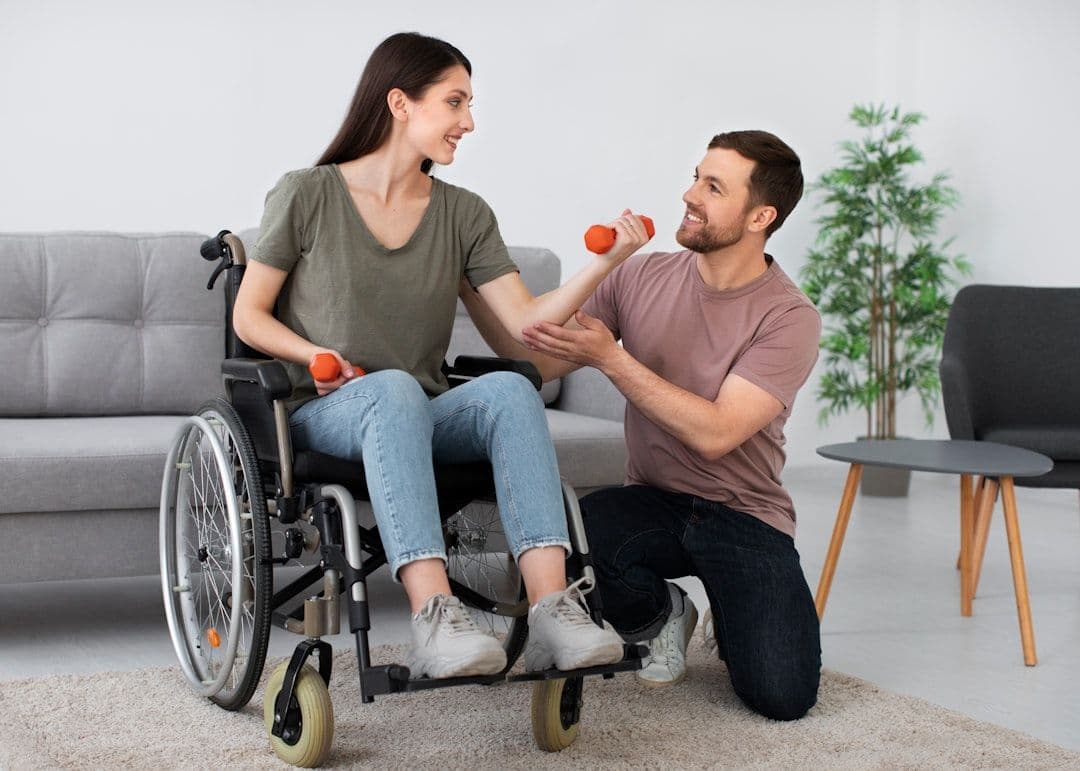
Structured rehabilitation with trained therapists may support recovery of movement, coordination, and daily functioning following stroke-related neurological changes.
For those experiencing aphasia or swallowing difficulties after stroke, working with a speech-language pathologist may support communication and safety.
Some people find that practices such as mindfulness, gentle yoga, or guided breathing may support emotional regulation and quality of life during stroke recovery.
Self-Care
Going to bed and waking at the same time each day may support brain recovery and help regulate mood, which some people find easier to maintain with a simple routine.
Short walks or seated stretching, tailored to current ability, may support circulation and physical function. Always coordinate activity levels with your rehabilitation team.
Breathing exercises or guided relaxation may help regulate stress responses. Some people find these practices support emotional steadiness during a demanding recovery period.
Diets rich in vegetables, whole grains, and lean proteins may support vascular health and overall recovery. A registered dietitian familiar with stroke recovery can offer personalized guidance.
Reading, puzzles, or simple word games may help maintain cognitive engagement. Some practitioners suggest starting with short sessions and gradually increasing as energy and concentration allow.
The Evidence
What research and clinical practice say about stroke recovery, rehabilitation, and the role of integrative approaches alongside specialist care.
Stroke recovery is well-studied, with rehabilitation at its core
Conventional stroke care and structured rehabilitation have a strong evidence base. Complementary approaches such as acupuncture, mindfulness, and therapeutic movement have emerging evidence and may support quality of life alongside specialist care.
Physiotherapy, occupational therapy, and speech therapy have well-established roles in improving functional outcomes after stroke. Complementary approaches — including acupuncture and mind-body practices — have a smaller but growing body of research. Evidence for these is promising in areas such as spasticity, mood, and fatigue, though study quality varies.
Sudden facial drooping, arm or leg weakness, slurred or lost speech, vision loss, severe sudden headache, or loss of consciousness require emergency evaluation without delay. These symptoms may indicate an acute stroke where time-sensitive treatment is critical. Do not wait to see if symptoms resolve on their own.
Acute stroke management is led by specialist medical teams. Rehabilitation typically involves a multidisciplinary approach addressing movement, communication, cognition, and emotional wellbeing. Recovery timelines vary widely depending on the area and extent of brain affected. Secondary prevention — reducing the risk of further events — is an ongoing priority in long-term care.
Acupuncture, yoga, tai chi, and mindfulness have been explored as adjuncts to stroke rehabilitation. Some evidence suggests benefits for spasticity, balance, fatigue, and psychological wellbeing. These approaches are best considered alongside — not instead of — specialist rehabilitation. Always inform your medical team before adding any complementary practice.
Neurological medications should never be stopped or adjusted without medical guidance. Any new physical practice should be introduced gradually and with awareness of post-stroke limitations such as weakness, balance changes, or fatigue. Practitioners working with stroke survivors should have relevant experience. Head injuries always require medical assessment.
Stroke recovery benefits from a coordinated team approach. If you are exploring complementary options, choose practitioners experienced in working with neurological conditions and keep your medical team informed. Integrative approaches are most effective when they complement — not replace — evidence-based rehabilitation and specialist oversight.
Safety first
Stroke is manageable, and support helps. Some situations call for prompt professional help.
Explore approaches
Practices people explore for stroke — alongside professional care.
FAQ
Recovery varies widely depending on which brain area was affected. Many people relearn movement, speech, and daily tasks over months. Progress can be slow but meaningful gains are possible well beyond the early weeks.
Some people find acupuncture, massage, and mind-body practices helpful alongside standard physiotherapy. These approaches may support wellbeing and motor function. Always discuss additions with your neurologist or rehabilitation team.
Consult your doctor if symptoms worsen, new symptoms appear, or daily function declines. Depression and fatigue after stroke deserve medical attention too. Never adjust prescribed neurological medications without professional guidance.
Brain injury can directly affect mood regulation and energy systems. Many survivors find emotional recovery as challenging as physical recovery. Both deserve active support through medical care and appropriate psychological therapies.
Some practitioners suggest an anti-inflammatory, heart-supportive diet may benefit brain recovery and reduce recurrence risk. Adequate hydration and nutrient intake also matter. A dietitian familiar with neurological recovery can offer personalised guidance.
Keep exploring
Browse practitioners, explore honest overviews, and take what you learn to a conversation — at your own pace.