What it is
A movement-based therapy that restores function, eases pain, and improves mobility.
Physical Therapy is a healthcare discipline that uses evidence-based exercises, manual techniques, and therapeutic modalities to restore ...

At a glance
What it is
A movement-based therapy that restores function, eases pain, and improves mobility.
Why explore it
Helps with back pain, surgical recovery, stroke rehab, and fall prevention by treating root causes.
How it’s experienced
Expect guided exercises, hands-on therapy, and movement training tailored to your recovery timeline.
Evidence context
Strong clinical evidence supports PT for musculoskeletal and post-surgical recovery when followed consistently.
See the evidence snapshotSafety
Low-risk with a licensed therapist—mild soreness is normal, but sharp pain is a signal to stop.
See staying safeHistory & Origin
Physical Therapy involves rehabilitation and improvement of physical health and function through therapeutic methods.
Physical Therapy emerged as a formal discipline during World War I, when rehabilitation techniques were developed to help wounded soldiers regain function and mobility. Early pioneers in the field recognized that systematic exercise and manual techniques could accelerate healing and restore independence in patients with movement disorders and injuries. The profession formalized throughout the 20th century as scientific understanding of human movement, biomechanics, and tissue healing advanced, leading to standardized training programs and evidence-based practice standards.
The field expanded significantly after World War II as rehabilitation medicine gained recognition in mainstream healthcare. Physical therapists began specializing in various areas including orthopedics, neurology, cardiopulmonary health, and pediatrics. The development of modern imaging, biomechanical analysis, and sports medicine research provided therapists with better tools to assess and treat movement dysfunction. Today, Physical Therapy is an established healthcare profession with doctoral-level training requirements, licensure regulations in most countries, and integration into hospital systems, sports medicine clinics, and outpatient facilities worldwide.
Mechanism
Physical Therapy is generally described as working through skilled touch, careful pacing, and the body's response to pressure, movement, warmth, or stillness. Practitioners may focus on muscle tone, joint comfort, circulation, breath, or relaxation depending on the method. Traditional explanations may also include energy flow or whole-person balance. Research support varies by modality, so the experience is best framed as supportive care with outcomes that vary. Physical therapy uses systematic assessment, targeted exercise prescription, and hands-on techniques to restore movement and function.
Your first visit
A typical session outline to help you feel prepared
A PT session blends hands-on care with guided movement to help you regain strength and ease — expect a focused, collaborative hour with your therapist.
You'll briefly check in with your therapist about how you've felt since your last visit, any changes in pain levels, and how your home exercises went.
Your therapist may watch you walk, bend, or move through specific ranges of motion to track how your body is responding and adjust your plan if needed.
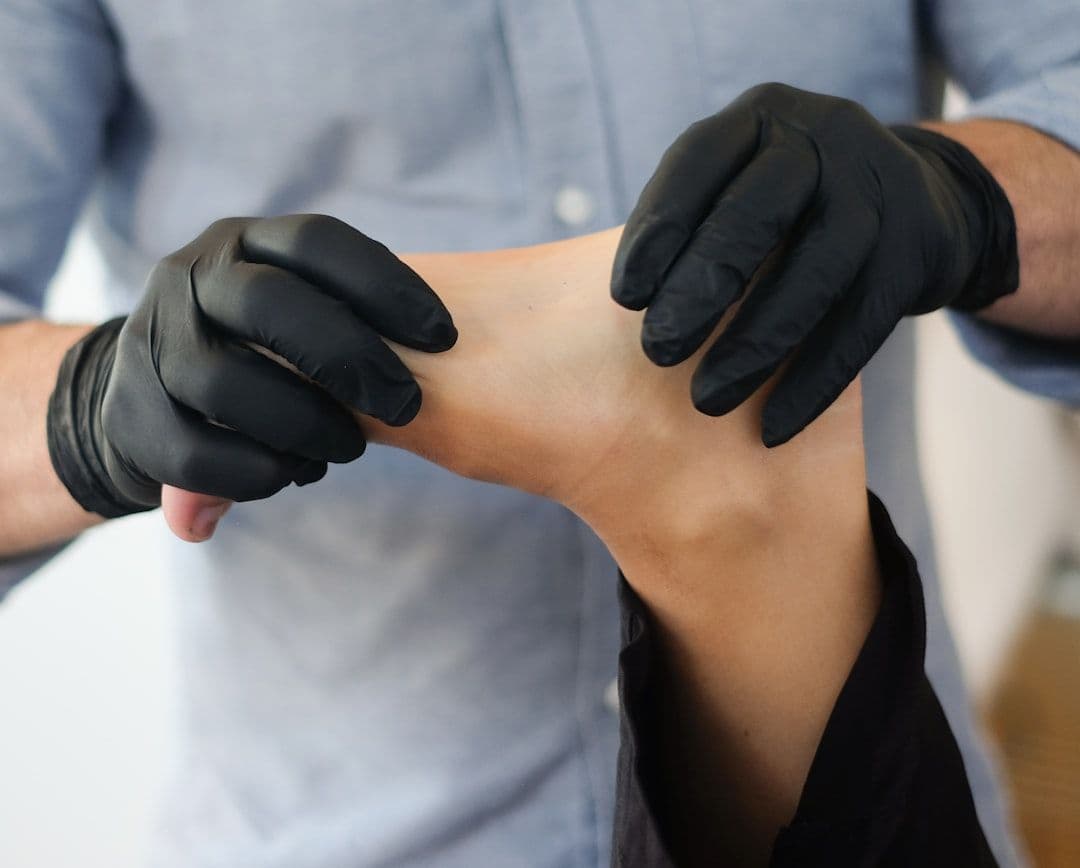
Many sessions begin with manual therapy — your therapist uses their hands to gently mobilize joints or release tight muscle tissue, which can feel like firm, relieving pressure.
Depending on your plan, your therapist may apply heat, ice, ultrasound, or electrical stimulation to reduce tension or discomfort before exercise begins.
You'll move through a set of targeted exercises chosen specifically for your condition — your therapist cues your form, tracks your reps, and adjusts difficulty as you go.
Sessions typically wind down with assisted or guided stretching to reinforce flexibility gains and help your body settle after the active work.
Your therapist walks you through any updated home exercises, explaining exactly how to do them safely so you can keep building progress between visits.
The Evidence
What the research says about Physical Therapy, how it is used in clinical settings, and what to consider before starting.
One of the most research-supported modalities in healthcare
Physical Therapy is backed by thousands of clinical trials, systematic reviews, and meta-analyses. Major international health bodies endorse it as standard care for a wide range of musculoskeletal, neurological, and post-surgical conditions.
Extensive randomised controlled trials and meta-analyses support its effectiveness for lower back pain, knee osteoarthritis, post-surgical recovery, and sports injuries. Structured exercise, progressive loading, and movement retraining consistently show measurable improvements in function, pain levels, and quality of life across diverse populations.
It is endorsed by organisations including the American Medical Association and the National Institutes of Health. Therapists work alongside physicians, surgeons, and specialists to support recovery and long-term function. It is commonly prescribed as part of post-operative care, chronic pain management, and neurological rehabilitation pathways.
It is not a standalone alternative to medical assessment or surgical intervention where those are indicated. Its greatest value is often as part of a coordinated care plan — supporting recovery, restoring function, and reducing reliance on passive interventions over time.
Seek medical evaluation before starting if you have sudden neurological symptoms, acute severe pain with swelling, or inability to bear weight. Conditions such as unstable fractures, uncontrolled cardiovascular conditions, or acute deep vein thrombosis require physician clearance. Always inform your therapist of all medications and report any sharp pain or dizziness during sessions.
Look for practitioners registered with a recognised national body — such as the APTA in the United States, the CSP in the United Kingdom, or equivalent bodies in your region. Qualified therapists complete accredited degree-level training and are subject to ongoing professional standards. Specialisation areas include orthopaedics, neurology, sports, and paediatrics.
It does not replace professional assessment for new or unexplained symptoms, and outcomes depend on the specific condition, individual factors, and adherence to prescribed programs. Some conditions require medical or surgical intervention before therapy is appropriate. Results vary, and not all interventions within the field carry equal levels of evidence.
Safety first
General guidance to help you decide whether this approach is appropriate for you. This is informational only and not a substitute for medical, psychological, or professional advice.
If you are pregnant, managing a health condition, recovering from injury or surgery, or taking medication, consult a qualified healthcare professional first.
Some situations call for extra care or a different approach. Share any conditions, injuries, or sensitivities with your practitioner before your first session.
Look for clear boundaries, transparent pricing, and practitioners who avoid fear-based claims or pressure to book frequent sessions.
Mild, short-lived effects such as tenderness, tiredness, or temporary soreness can occur. Rest, hydrate, and tell your practitioner how you respond.
For you?
A simple, human way to weigh it up. This is general guidance, not personal medical advice — a qualified practitioner can advise on your situation.
Gyfts is a discovery platform, not a medical provider. Nothing here diagnoses, treats or replaces professional care. In an emergency, contact your local emergency number.
Explore approaches
Other practices people often explore alongside physical therapy.
In their words
FAQ
A typical session includes assessment of your current status, instruction and performance of therapeutic exercises targeting your specific condition, possible manual therapy techniques, and education about home exercise and activity modification. Sessions usually last 45-60 minutes and progress based on your response to treatment.
The number of sessions varies based on your condition, severity, and progress. Acute injuries typically require 4-8 weeks of treatment (2-3 sessions weekly), while chronic conditions or post-surgical rehabilitation may require 8-12 weeks or longer. Your therapist will discuss expected duration during initial evaluation and adjust based on your progress.
Yes, most people continue working during physical therapy. Sessions are typically scheduled at flexible times, and many workplaces are accommodating. However, you may need temporary work modifications depending on your condition. Discuss any work-related concerns with your therapist, who can provide guidance on activity restrictions and accommodations.
Physical Therapy (performed by Physical Therapists with doctoral training) focuses on movement, exercise, and functional rehabilitation. Physical Medicine and Rehabilitation is a medical specialty with physicians diagnosing and managing rehabilitation. Often they work together, with your physician providing diagnosis and referral, and your physical therapist providing hands-on rehabilitation.
Physical therapy should not be severely painful, though you may experience mild discomfort during muscle stretching or when working on stiff joints. Post-treatment soreness similar to exercise soreness is normal. Sharp pain indicates you should stop—tell your therapist immediately if you experience it. Your therapist will adjust intensity to keep you within an appropriate therapeutic range.
This varies by location and insurance. In many areas, you can self-refer directly to a physical therapist without a physician's referral. However, some insurance plans require a physician referral for coverage. Check your insurance policy and local regulations. A physician referral is often helpful as it provides your therapist with relevant medical history and diagnostic information.
In some cases, yes. Physical therapy can be effective for many conditions that might otherwise require surgery, such as certain knee injuries, shoulder impingement, or lower back pain. However, some conditions require surgical intervention regardless of therapy. Your physician and physical therapist can discuss whether conservative physical therapy is appropriate for your specific condition.
If you're not showing expected progress after 2-4 weeks of consistent treatment, discuss this with your therapist. They may need to modify your treatment approach, change exercise progression, or recommend you return to your physician for re-evaluation. Lack of progress sometimes indicates a need for additional imaging or specialist consultation.
References
Educational sources that inform this overview. Inclusion is for context and does not imply endorsement.
Full citations are maintained by the Gyfts editorial team and reviewed periodically.
Keep exploring
Browse practitioners, explore honest overviews, and take what you learn to a conversation — at your own pace.