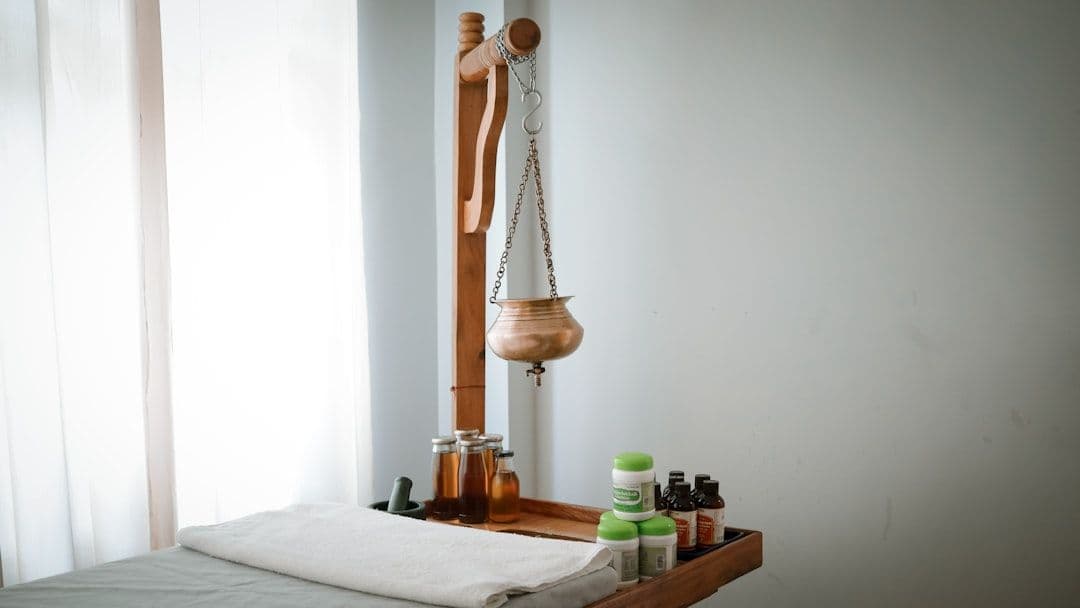
What it is
Soaking in mineral-rich or thermal waters to ease pain, skin issues, and more.
Therapeutic bathing in mineral-rich or thermal waters to treat various health conditions
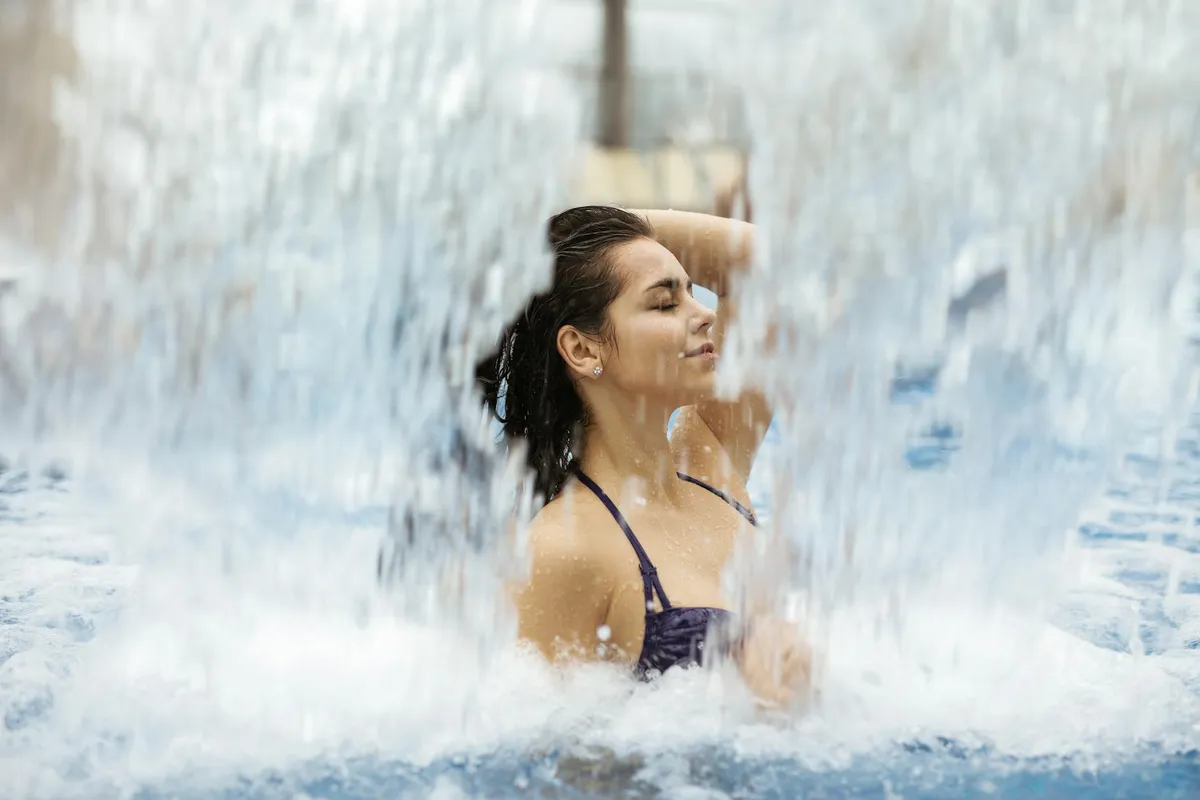
At a glance
What it is
Soaking in mineral-rich or thermal waters to ease pain, skin issues, and more.
Why explore it
Many find it supports pain relief, skin comfort, stress reduction, and circulation.
How it’s experienced
You soak in a thermal pool or mineral bath, usually for 20 to 40 minutes per session.
Evidence context
Research looks promising for pain and skin conditions, though findings are still evolving.
See the evidence snapshotSafety
Low risk for most, but check with your doctor if you have heart or blood pressure concerns.
See staying safeHistory & Origin
Balneotherapy involves treating health conditions through bathing in mineral or thermal waters.
Balneotherapy has ancient roots dating back thousands of years, with evidence of therapeutic bathing practices found in Egyptian, Greek, and Roman civilizations. The ancient Greeks believed in the healing powers of natural springs and built elaborate bath houses around thermal sources. Romans further developed this tradition, constructing sophisticated spa complexes like those at Bath, England, and Caracalla in Rome, where citizens would immerse themselves in mineral-rich waters for health and social purposes.
During the Middle Ages, the practice declined in Europe but was preserved in Islamic cultures and parts of Asia. The Renaissance period saw a revival of interest in balneotherapy, particularly in Central and Eastern Europe, where natural thermal springs were abundant. Countries like Germany, Hungary, and the Czech Republic became centers for spa medicine, developing systematic approaches to water therapy.
The modern scientific approach to balneotherapy began in the 19th century when European physicians started documenting the therapeutic effects of different mineral compositions. Dr. Sebastian Kneipp, a German priest and physician, became a key figure in developing hydrotherapy principles that influenced modern balneotherapy practices. His work helped establish the foundation for evidence-based water treatments that are still used today in medical spa facilities worldwide.
Mechanism
Balneotherapy is generally framed as a guided process for attention, reflection, learning, and emotional integration. Depending on the method, a practitioner may use conversation, imagery, structured exercises, body awareness, or therapeutic techniques to help the person explore patterns and choices. It should not be presented as a standalone solution or a substitute for urgent care, but it may support self-understanding when practiced within an appropriate scope. Mineral and thermal waters contain dissolved compounds—such as sulphur, sodium, calcium, and magnesium—that are absorbed through the skin during immersion.
Your first visit
A typical session outline to help you feel prepared
A balneotherapy session guides you through a therapeutic soak in mineral-rich water, combining warmth, buoyancy, and natural minerals to support relaxation and wellbeing.
Your practitioner reviews your health history, current concerns, and goals before anything else. They'll ask about skin conditions, heart health, and medications to ensure the session is safe and right for you.
Based on your intake, your practitioner selects the appropriate mineral water type, temperature, and any additives like salts or sulfur. This personalized plan shapes the entire session.
You'll change into a swimsuit or provided garments and may shower briefly to rinse off before entering the therapeutic bath. Staying hydrated beforehand is encouraged, so you may be offered water.
Your practitioner guides you into the mineral-rich water, which is maintained at a carefully controlled therapeutic temperature, typically between 95 and 104 degrees Fahrenheit. The water may look clo
You'll relax in the water for 15 to 30 minutes, allowing the minerals and warmth to work through your skin. Your practitioner may guide you through gentle range-of-motion movements or simply let you float and rest.
Your practitioner checks in regularly during the soak to watch for any signs of overheating or discomfort, adjusting the temperature or duration if needed. You're always encouraged to speak up about how you feel.
After your soak, you'll slowly exit the bath and wrap in towels or a robe while your body adjusts. A short rest of 10 to 15 minutes is standard to let your circulation settle before you move around freely.
You'll drink water or a light electrolyte beverage and chat with your practitioner about how the session felt. They'll outline any follow-up visits and what to watch for in the hours ahead.
The Evidence
What research says about balneotherapy, where the evidence is strongest, and what to keep in mind before starting.
Reasonable support for musculoskeletal and skin conditions
Balneotherapy has a meaningful body of research behind it, particularly for joint pain, arthritis, and certain skin conditions. Evidence quality varies across studies, and some methodological limitations mean findings should be interpreted with appropriate caution.
Randomised controlled trials and systematic reviews show consistent improvements in pain, stiffness, and quality of life for osteoarthritis, rheumatoid arthritis, and fibromyalgia. Evidence for skin conditions such as psoriasis is also present, though less extensive. Benefits for other conditions remain less well established.
Many trials involve small sample sizes, short follow-up periods, and differing mineral compositions, making direct comparisons difficult. Controlling for placebo effects is inherently challenging, as participants know they are receiving an active intervention. These factors mean current findings are promising but not definitive.
Beyond specific conditions, balneotherapy is widely used for stress reduction, relaxation, and general recovery support. The combination of warmth, buoyancy, and mineral immersion creates a multi-layered experience that may support overall wellbeing. This broader context is relevant when considering it alongside other health practices.
People with heart conditions, uncontrolled blood pressure, active infections, open wounds, or serious medical conditions should seek professional clearance before participating. Pregnant individuals should consult their healthcare provider. Water temperature, session length, and hydration all require attention, particularly for older adults and those with diabetes.
Spa medicine practitioners, physiotherapists, and specialist balneotherapy clinics can tailor water type, temperature, and session duration to individual needs. If you have an existing health condition, coordinating with your primary healthcare provider ensures balneotherapy complements rather than conflicts with your overall care.
Research positions balneotherapy as a useful adjunct in rehabilitation, pain management, and chronic condition support. It is not a substitute for professional assessment or medical management. For conditions like rheumatoid arthritis or psoriasis, it is most effective when integrated into a broader care plan developed with qualified health professionals.
Safety first
General guidance to help you decide whether this approach is appropriate for you. This is informational only and not a substitute for medical, psychological, or professional advice.
If you are pregnant, managing a health condition, recovering from injury or surgery, or taking medication, consult a qualified healthcare professional first.
Some situations call for extra care or a different approach. Share any conditions, injuries, or sensitivities with your practitioner before your first session.
Look for clear boundaries, transparent pricing, and practitioners who avoid fear-based claims or pressure to book frequent sessions.
Mild, short-lived effects such as tenderness, tiredness, or temporary soreness can occur. Rest, hydrate, and tell your practitioner how you respond.
For you?
A simple, human way to weigh it up. This is general guidance, not personal medical advice — a qualified practitioner can advise on your situation.
Gyfts is a discovery platform, not a medical provider. Nothing here diagnoses, treats or replaces professional care. In an emergency, contact your local emergency number.
Explore approaches
Other practices people often explore alongside balneotherapy.
In their words
FAQ
A typical balneotherapy session involves bathing in mineral-rich water heated to therapeutic temperatures (32-40°C) for 15-30 minutes. You'll be supervised by trained staff who monitor your comfort and safety. The session may include gentle movements in the water or simply relaxation while the minerals are absorbed through your skin.
The number of sessions varies depending on your condition and treatment goals. Acute conditions might benefit from 6-10 sessions over 2-3 weeks, while chronic conditions often require 12-20 sessions spread over 4-6 weeks. Many people continue with maintenance sessions monthly or seasonally for ongoing benefits.
Most facilities provide towels and robes, but you should bring appropriate swimwear and any personal toiletries you prefer. It's also recommended to bring a water bottle to stay hydrated and comfortable clothing for after your session.
Side effects are generally mild and may include temporary skin redness, slight fatigue, or dizziness from the heat and mineral exposure. These typically resolve quickly after the session. Staying hydrated and following your practitioner's guidance helps minimize any discomfort.
Balneotherapy (therapeutic bathing in mineral-rich waters) has the most consistent evidence for musculoskeletal conditions — particularly osteoarthritis, rheumatoid arthritis, fibromyalgia, and chronic low back pain. A 2021 Cochrane-adjacent systematic review found moderate evidence for pain reduction and improved function in osteoarthritis compared to controls. Evidence also exists for psoriasis (Dead Sea salt therapy), anxiety, and cardiovascular rehabilitation. The mechanisms include hydrostatic pressure, thermal effects, and absorption of minerals through the skin.
References
Educational sources that inform this overview. Inclusion is for context and does not imply endorsement.
Full citations are maintained by the Gyfts editorial team and reviewed periodically.
Keep exploring
Browse practitioners, explore honest overviews, and take what you learn to a conversation — at your own pace.