What it is
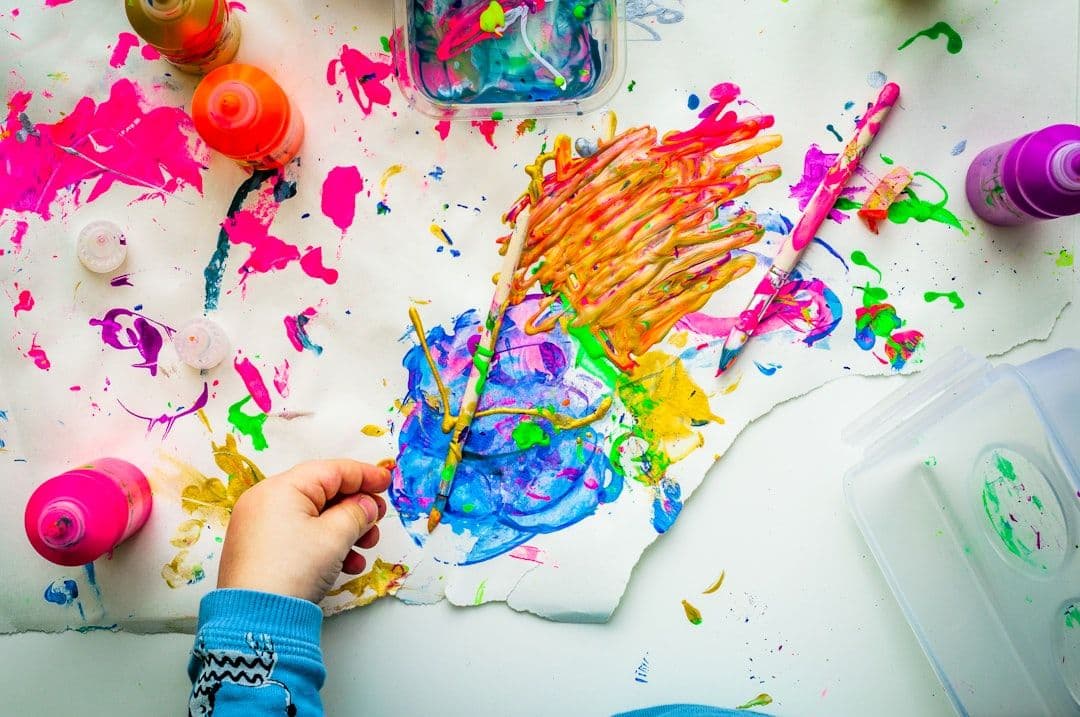
Creative modalities use art, music, writing, and movement as pathways for growth.
Creative modalities encompass therapeutic and developmental approaches that use artistic expression, writing, music, movement, and other ...
At a glance
What it is
Creative modalities use art, music, writing, and movement as pathways for growth.
Why explore it
Creative expression may ease stress, boost confidence, and offer a non-verbal outlet during transitions.
How it’s experienced
A trained facilitator guides drawing, journaling, music, or movement in individual or group settings.
Evidence context
Art and music therapy show moderate evidence for anxiety and mood, with ongoing research broadening findings.
See the evidence snapshotSafety
Generally low-risk, but those with psychiatric or self-harm histories should consult a professional first.
See staying safeHistory & Origin
Creative modalities inspire artistic expression and innovative thinking for personal and professional growth.
Creative approaches to healing and personal development have ancient roots across cultures worldwide. Indigenous traditions have long incorporated storytelling, ritual art, music, and dance as means of healing and community connection. Ancient Greek philosophers recognized the therapeutic value of artistic expression, with Aristotle noting the cathartic effects of dramatic performance. In many Eastern traditions, creative practices like calligraphy, poetry, and garden design have been integral to spiritual and personal development for millennia.
The formal integration of creative practices into therapeutic settings began in the early 20th century. Art therapy emerged in the 1940s through the work of pioneers like Margaret Naumburg and Edith Kramer, who recognized art-making's potential for psychological healing. Similarly, music therapy, drama therapy, and movement therapy developed as distinct disciplines. The humanistic psychology movement of the 1960s further emphasized creativity's role in self-actualization and personal growth.
Today, creative modalities span a broad spectrum from clinical therapeutic interventions to personal development workshops and community programs. They include established therapies like art therapy and music therapy, as well as newer approaches incorporating digital media, creative writing, and innovative artistic techniques. Modern neuroscience has provided insights into how creative activities affect brain function, supporting their use for cognitive enhancement, emotional regulation, and stress reduction.
The field continues to evolve with growing recognition of creativity's role in resilience, problem-solving, and overall well-being, leading to integration in healthcare settings, educational environments, and workplace wellness programs.
Mechanism
Creative is generally framed as a guided process for attention, reflection, learning, and emotional integration. Depending on the method, a practitioner may use conversation, imagery, structured exercises, body awareness, or therapeutic techniques to help the person explore patterns and choices. It should not be presented as a standalone solution or a substitute for urgent care, but it may support self-understanding when practiced within an appropriate scope. Creative modalities operate by engaging the mind through artistic expression and imaginative processes, bypassing analytical thought to access deeper emotional and psychological material.
Your first visit
A typical session outline to help you feel prepared
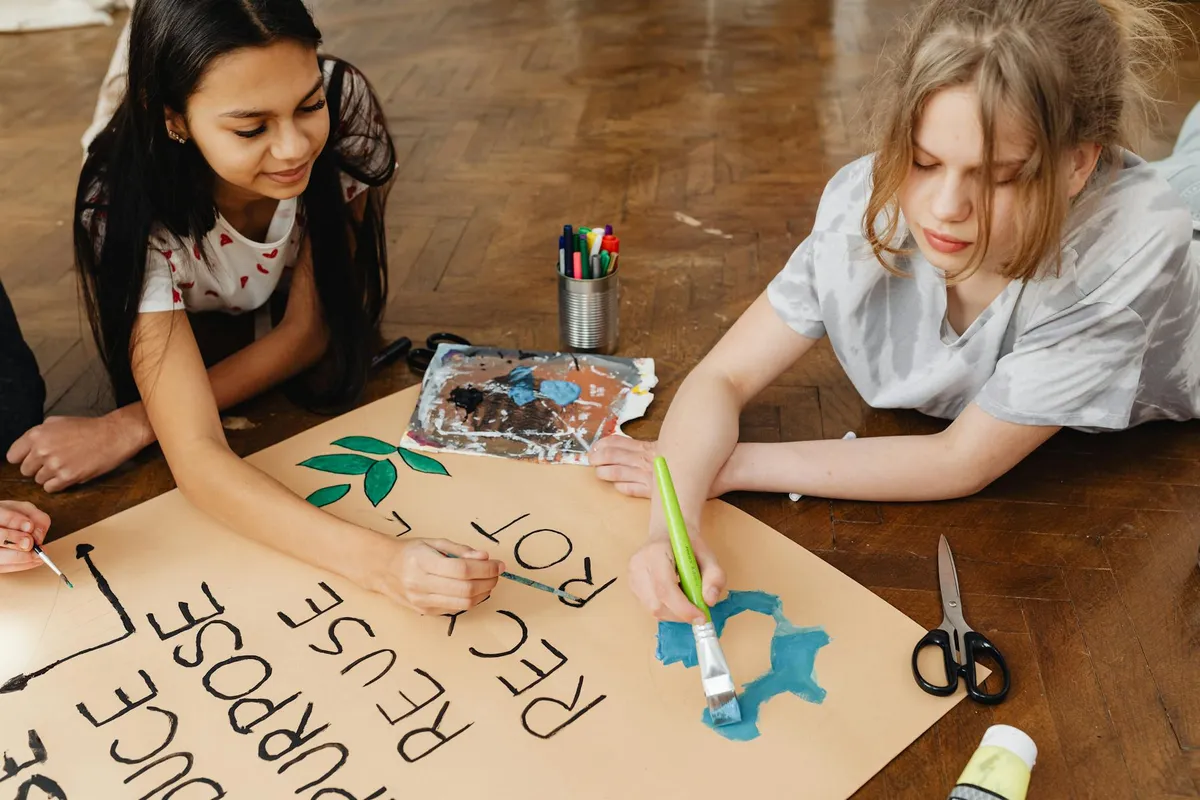
A Creative session blends artistic exploration with personal reflection, using expressive tools like painting, writing, or movement to help you tap into something meaningful — no talent required.
Your facilitator greets you and takes a few minutes to ask how you're feeling today and what's on your mind, creating a relaxed, judgment-free atmosphere before anything begins.
You'll share what drew you to Creative and any themes or feelings you'd like to explore. There are no wrong answers — curiosity and openness are all you need.
Together with your facilitator, you'll choose a creative medium for the session — painting, writing, movement, music, or something else — based on what feels right for you today.
You'll ease in with a simple warm-up exercise, like free-writing for a few minutes or making marks on paper without a goal, helping quiet your inner critic and loosen up.
This is the heart of the session. You'll work with your chosen medium freely and expressively, guided gently by your facilitator, with no pressure to produce anything polished or finished.
Midway through, your facilitator may invite you to pause and notice what came up — emotions, images, or surprises — helping you connect your creative output to your inner experience.
Near the end, you'll step back from your work and share what the experience brought up for you, drawing out any insights or themes that felt significant during the session.
Your facilitator wraps up by summarizing what emerged and discussing how you might carry those insights forward. Any work you created is yours to take home.
The Evidence
What research and practice tell us about creative modalities, where the evidence is strong, and where gaps remain.
Meaningful benefits supported, with research still maturing
Art and music therapy have the strongest research foundations among creative modalities, with studies linking creative engagement to improved mood, stress reduction, and emotional regulation. Evidence across the broader creative spectrum is promising but uneven, and many studies are small-scale or observational.
Art therapy and music therapy have the most robust research bases, with studies showing benefits for mental health, trauma recovery, and cognitive function. Broader creative practices show consistent associations with reduced cortisol, improved mood, and greater cognitive flexibility. Many studies are small or observational, so effect sizes and generalisability remain areas of active investigation.
Creative approaches are not part of standard medical care, but structured forms like art and music therapy are used in clinical and community settings worldwide. They are best understood as complementary to, not substitutes for, professional mental health support. Their value often lies in accessibility and the breadth of people they can engage.
Storytelling, ritual art, music, and movement have served healing and community roles across cultures for millennia. Formal creative therapies took shape in the mid-20th century — art therapy pioneered by figures such as Adrian Hill and Edith Kramer, music therapy formalised through institutions like the National Association for Music Therapy founded in 1950. This specific lineage distinguishes structured creative therapy from informal expressive practice, even as both draw on the same deep human impulse.
Qualified art and music therapists work in hospitals, schools, and community health settings, often alongside clinical teams. Creative modalities are explored alongside care for concerns such as anxiety, depression, trauma, grief, and chronic pain. The process of creating — not the quality of the output — is where most benefit is understood to occur.
Studies vary widely in how interventions are defined and how outcomes are measured, making direct comparisons difficult. Many trials are small, and publication bias may inflate positive findings. Evidence is stronger for structured therapeutic formats than for informal creative engagement, so claims about specific outcomes should be interpreted with appropriate caution.
Those experiencing active psychosis, severe mental health crises, or a history of self-harm should work with a qualified mental health professional rather than engaging in unguided creative therapy. Creative expression can surface unexpected emotions, so practitioners should be trained to recognise when additional support is needed. Art materials should be non-toxic and used in well-ventilated spaces.
Safety first
General guidance to help you decide whether this approach is appropriate for you. This is informational only and not a substitute for medical, psychological, or professional advice.
If you are pregnant, managing a health condition, recovering from injury or surgery, or taking medication, consult a qualified healthcare professional first.
Some situations call for extra care or a different approach. Share any conditions, injuries, or sensitivities with your practitioner before your first session.
Look for clear boundaries, transparent pricing, and practitioners who avoid fear-based claims or pressure to book frequent sessions.
Mild, short-lived effects such as tenderness, tiredness, or temporary soreness can occur. Rest, hydrate, and tell your practitioner how you respond.
For you?
A simple, human way to weigh it up. This is general guidance, not personal medical advice — a qualified practitioner can advise on your situation.
Gyfts is a discovery platform, not a medical provider. Nothing here diagnoses, treats or replaces professional care. In an emergency, contact your local emergency number.
Explore approaches
Other practices people often explore alongside creative.
In their words
FAQ
Sessions typically involve engaging with creative materials and techniques guided by a trained practitioner. You might draw, paint, write, move, or work with digital tools depending on the approach. The focus is on personal expression and exploration rather than creating perfect artwork. Sessions include time for reflection and discussion about insights or feelings that emerge through the creative process.
The number of sessions varies greatly depending on your goals and preferences. Some people benefit from single workshops or short-term programs lasting 4-8 sessions, while others engage in ongoing creative practice over months or years. Many people find that 6-12 sessions provide sufficient time to explore techniques and experience benefits, though this can be adjusted based on individual needs and progress.
No artistic skill or previous experience is required. Creative modalities focus on personal expression and the process of creating rather than the quality of the final product. Many practitioners specifically emphasize that there are no right or wrong ways to engage creatively, and the therapeutic or developmental benefits come from the act of creating itself.
Most practitioners provide all necessary materials during sessions. For ongoing practice between sessions, basic supplies might include paper, colored pencils, markers, or a journal for writing. The specific materials depend on the approach being used and your preferences. Practitioners can recommend affordable, accessible options for home use.
Creative arts therapies (art, music, drama, dance-movement therapy) have a growing evidence base, particularly in mental health and chronic illness contexts. Art therapy has moderate-to-strong evidence for depression, trauma, and dementia. Music therapy has strong evidence for dementia, autism, depression, and pain management — including in palliative care. Dance-movement therapy has moderate evidence for depression and Parkinson's disease. Drama therapy has moderate evidence for trauma and social anxiety. Creative therapies are particularly valuable for people who find verbal expression difficult, for whom the arts provide an alternative language for inner experience.
References
Educational sources that inform this overview. Inclusion is for context and does not imply endorsement.
Full citations are maintained by the Gyfts editorial team and reviewed periodically.
Keep exploring
Browse practitioners, explore honest overviews, and take what you learn to a conversation — at your own pace.