What it is
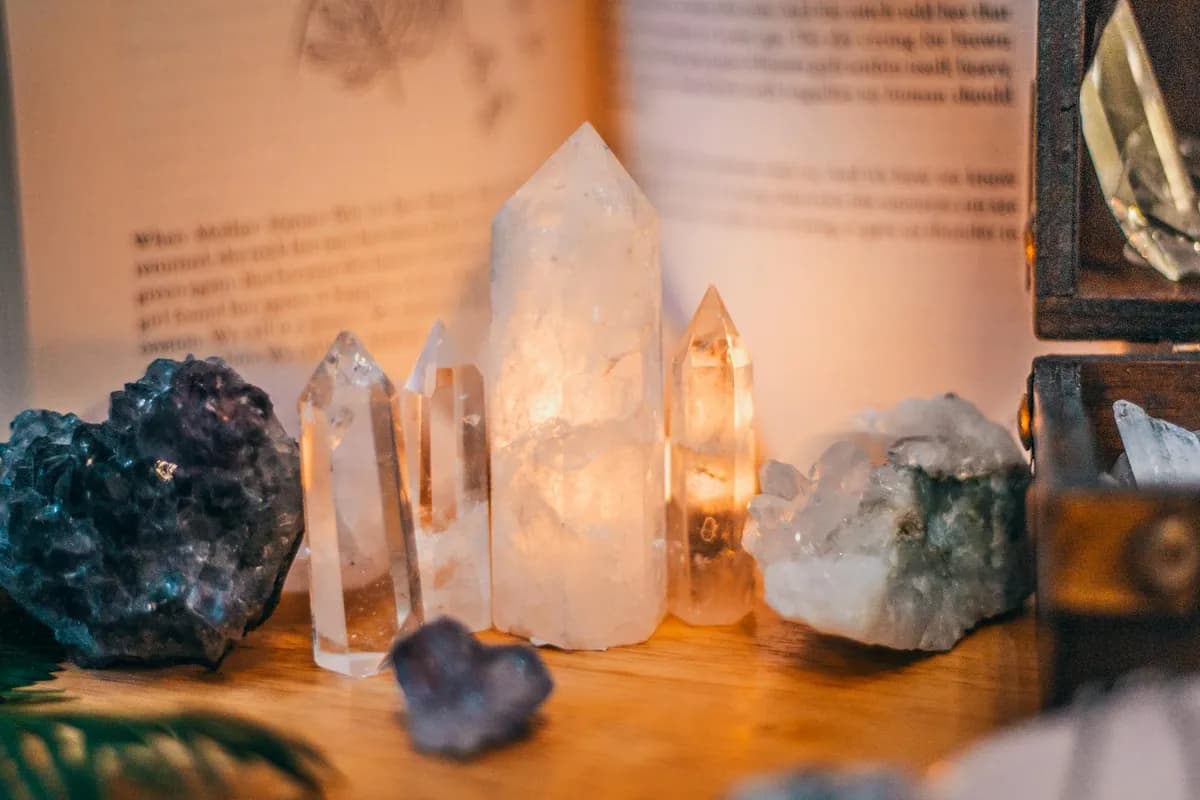
Crystals are placed on or around the body to support relaxation and emotional balance.
Crystal Healing, also known as lithotherapy, uses crystals and stones to support emotional and spiritual wellbeing.
At a glance
What it is
Crystals are placed on or around the body to support relaxation and emotional balance.
Why explore it
Many people feel calmer and more centered, making it a gentle add-on to everyday wellness.
How it’s experienced
A practitioner places crystals on your clothed body for a quiet, restful 30–60 minute session.
Evidence context
Benefits are experiential and anecdotal, as rigorous scientific research remains very limited.
See the evidence snapshotSafety
It's non-invasive and low risk, but should complement, never replace, professional medical care.
See staying safeHistory & Origin
Crystal Healing, also known as lithotherapy, utilizes the vibrational energy of crystals to promote physical and emotional healing.
Crystal healing draws from ancient traditions spanning multiple cultures and continents. Archaeological evidence suggests that crystals and gemstones were used in healing practices by ancient Egyptian, Greek, and Chinese civilizations, often incorporated into amulets, talismans, and ceremonial objects. In Traditional Chinese Medicine, jade and other stones have been valued for thousands of years as tools for promoting health and spiritual development.
The modern crystal healing movement emerged prominently in the 1970s and 1980s during the broader New Age movement, gaining particular momentum through alternative health practitioners and wellness communities. Key figures in popularizing contemporary crystal healing include Katrina Raphaell, whose "Crystal Enlightenment" series published in the 1980s became foundational texts, and numerous other authors who compiled and systematized traditional beliefs about specific stones and their properties.
The practice spread globally through wellness centers, metaphysical shops, and holistic health practitioners, becoming increasingly integrated into complementary medicine practices. Books, online communities, and social media have significantly amplified crystal healing's reach, particularly among individuals interested in alternative approaches to wellbeing and spiritual exploration.
Today, crystal healing exists within a diverse ecosystem of complementary practices, often combined with meditation, energy work, and other holistic modalities. While it maintains strong cultural and traditional roots, contemporary crystal healing varies widely in application and philosophy among different practitioners and communities.
Mechanism
Crystal Healing is best framed as a traditional, symbolic, energetic, reflective, or spiritual practice rather than a validated medical mechanism. Practitioners may use ritual, attention, sound, imagery, touch-free work, cards, symbols, prayer, or intention to support meaning-making and a sense of connection. People may explore it for reflection, calm, or spiritual context, while health claims should remain cautious and personal. Practitioners place crystals on or near the body, typically at energy centres (chakras) or specific body areas, with the intention that the stones' purported vibrational frequencies will rebalance disrupted energy fields and support healing.
Your first visit
A typical session outline to help you feel prepared
A crystal healing session invites you to relax as carefully chosen stones are placed on and around your body to support energetic balance and inner calm.
Your practitioner begins with a relaxed conversation about your current wellbeing, emotions, and any intentions you are holding, so they can understand what you are seeking from the session.
Based on your intake, the practitioner hand-picks specific crystals for you, choosing stones by their traditional energetic properties, color, and intuitive sense of what may best support your needs.
You are invited to lie fully clothed on a comfortable massage table while the room is softly lit and often accompanied by gentle music or silence to help you settle and feel safe.
The practitioner mindfully places stones on or near your body, often along the seven chakra points from crown to root, and may also arrange crystals around you on the table.
You simply rest quietly for 30 to 60 minutes while the crystals remain in place, and you may notice warmth, tingling, heaviness, or simply a deep sense of stillness.
Throughout the session the practitioner may gently reposition or swap crystals as they sense shifts in your energy field, and they may hold stones near specific areas for focused attention.
The practitioner carefully removes each crystal, grounding the energy by gently touching your feet or shoulders, and takes a quiet moment to signal the session is complete.
You are given space to slowly return, share any experiences, and receive guidance such as drinking extra water, journaling, or resting, as shifts in mood or clarity may continue over the following days.
The Evidence
What research and tradition tell us about crystal healing, and how to understand its place in a broader health picture.
Valued by many; not supported by clinical evidence
Crystal healing sits within metaphysical and traditional frameworks rather than evidence-based medicine. Reported benefits are consistent with relaxation and expectancy effects, and no rigorous clinical evidence supports direct physiological mechanisms.
Available research is sparse and methodologically weak. Systematic reviews have found insufficient evidence to support direct healing properties. Reported benefits are consistent with well-documented placebo and relaxation responses, which are real experiences even when mechanisms remain unvalidated.
The practice operates within a metaphysical worldview that conventional science does not substantiate. This does not invalidate the personal or spiritual meaning people find in it, but it does mean that claims about physical mechanisms should be understood as traditional belief rather than established fact.
Modern crystal healing drew momentum from the 1970s New Age movement and practitioners like Katrina Raphaell, but its roots are far older. Jade and gemstones have held therapeutic and spiritual significance in Traditional Chinese Medicine and other systems for millennia, reflecting enduring human meaning-making through the natural world.
Many people report stress relief, emotional calm, and a sense of grounding from crystal healing sessions. These experiences are real, even if the proposed energetic mechanisms are not scientifically validated. The structured ritual of a session, combined with mindful attention, may itself be the active ingredient for many seekers.
Crystal healing is non-invasive and carries no known direct physical risks for most people. However, some practitioners make strong curative claims that may lead seekers to delay assessment of serious medical or mental health conditions — this is the most meaningful risk in this space. High-cost crystal products can also create financial pressure. If you have a diagnosed condition, are taking medication, or have concerning symptoms, consult a qualified healthcare provider alongside any complementary practice.
Some practitioners or products make strong claims about crystal healing's ability to resolve physical or psychological conditions. The evidence does not support these claims. Gyfts encourages seekers to engage with crystal healing for its potential reflective, relaxation, or spiritual value while maintaining realistic expectations and continuing any recommended professional care.
Safety first
General guidance to help you decide whether this approach is appropriate for you. This is informational only and not a substitute for medical, psychological, or professional advice.
If you are experiencing severe distress, suicidal thoughts, psychosis, acute trauma, or another serious mental health concern, seek qualified support first.
This approach is not suitable for diagnosis, treatment instructions, or decisions that require medical, legal, financial, or professional advice.
Look for clear boundaries, transparent pricing, and practitioners who avoid fear-based claims or pressure to book frequent sessions.
Treat any insight as one reflective perspective, not absolute truth. Important decisions should be considered with appropriate professional support.
For you?
A simple, human way to weigh it up. This is general guidance, not personal medical advice — a qualified practitioner can advise on your situation.
Gyfts is a discovery platform, not a medical provider. Nothing here diagnoses, treats or replaces professional care. In an emergency, contact your local emergency number.
Explore approaches
Other practices people often explore alongside crystal healing.
In their words
FAQ
A typical session begins with a consultation about your goals and concerns. You then lie down in a relaxed position while the practitioner places crystals on or around your body, often at chakra points or areas of focus. You remain in this state for 30-60 minutes in a calm environment, encouraged to relax and remain open to the experience. The session concludes with discussion of the experience and recommendations for ongoing practice.
This varies considerably among individuals. Some people report feeling relaxed or experiencing shifts after a single session, while others need multiple sessions to notice changes. Many practitioners recommend starting with 4-6 weekly sessions to establish a baseline, then adjusting frequency based on your response. Consistency and personal openness to the practice appear to influence outcomes.
Crystal healing is based on the concept that crystals have vibrational energy that can influence human energy fields and promote healing. Practitioners view crystals as having inherent frequencies that align with different aspects of wellbeing. This explanation sits outside conventional scientific frameworks, and the mechanism remains unproven by mainstream science.
Yes, many people use crystals independently for meditation, sleep support, or general wellness. You can carry stones, place them under your pillow, wear them as jewelry, or meditate with them. Some practitioners recommend specific placements or practices tailored to your needs. However, working with a trained practitioner initially can help you learn which crystals resonate with you.
Crystal healing is non-invasive and typically causes no physical side effects. Some people report emotional releases or temporary energy shifts as their system rebalances, similar to experiences in other healing modalities. If you have concerns about your reaction, discuss them with your practitioner or healthcare provider.
Crystal healing does not chemically interact with medications since it does not involve ingestion or transdermal absorption. However, if you're managing a health condition with medication, maintain your prescribed treatment and inform your healthcare provider about all wellness practices you're using.
Crystal healing specifically uses stones and crystals as the primary tool, while other energy practices like Reiki or acupuncture use different modalities. Crystal healing can be used alone or combined with these other approaches. Many practitioners integrate multiple modalities based on their training and clients' needs.
Scientific evidence for crystal healing's efficacy remains limited and mixed. Most studies show results consistent with placebo effects or lack rigorous design. However, research on stress reduction and relaxation from complementary practices generally shows benefits, which may be what people experience. The specific healing properties attributed to particular crystals lack robust scientific support.
References
Educational sources that inform this overview. Inclusion is for context and does not imply endorsement.
Full citations are maintained by the Gyfts editorial team and reviewed periodically.
Keep exploring
Browse practitioners, explore honest overviews, and take what you learn to a conversation — at your own pace.