What it is
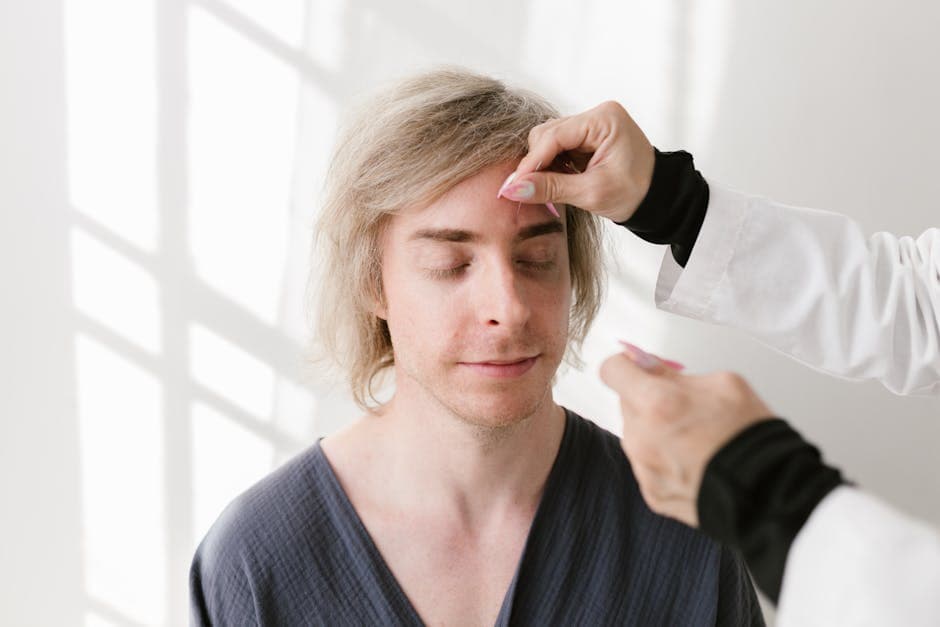
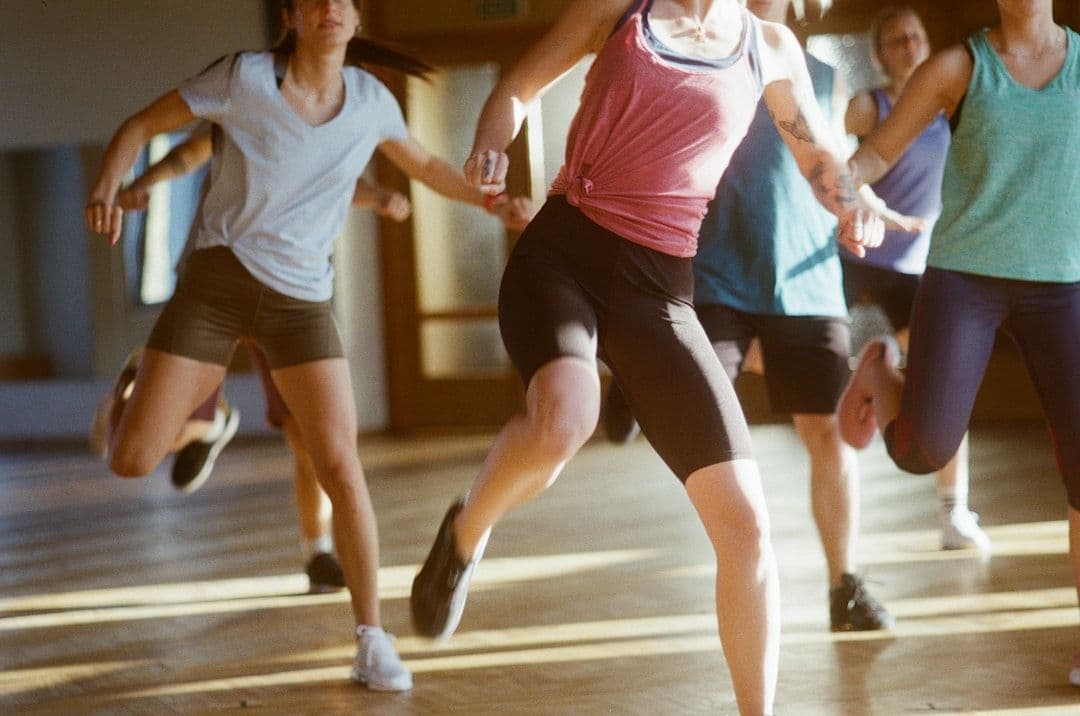
Dance therapy uses movement to support emotional health alongside conventional care.
Dance Therapy is a psychotherapeutic approach that uses movement and dance as tools for emotional expression, stress relief, and mental h...
At a glance
What it is
Dance therapy uses movement to support emotional health alongside conventional care.
Why explore it
Rhythmic movement may ease anxiety, build body confidence, and help process emotions non-verbally.
How it’s experienced
A trained therapist guides expressive movement and reflection — no dance experience required.
Evidence context
Early research shows mood and stress benefits, but evidence is still limited and small-scale.
See the evidence snapshotSafety
Generally low-risk, though medical clearance is wise for injuries, heart conditions, or acute mental health crises.
See staying safeHistory & Origin
Dance Therapy uses movement and dance as a means of self-expression, emotional release, and mental healing.
Dance Therapy emerged as a formal therapeutic modality in the mid-20th century, though movement-based healing has deep roots in human culture across dance, ritual, and celebration. The modern discipline began to take shape in the 1940s and 1950s when pioneers like Marian Chace, a modern dancer, began using dance as a therapeutic tool with psychiatric patients at St. Elizabeths Hospital in Washington, D.C. Chace observed that patients responded emotionally and psychologically to creative movement, leading to the development of structured dance therapy protocols. Her work laid the foundation for recognizing dance as a legitimate therapeutic intervention.
In the 1960s and 1970s, dance therapy expanded as a recognized field, with figures like Trudi Schoop and Mary Starks Whitehouse further developing the theoretical and practical frameworks. Professional organizations were established to standardize training and credentials, and the discipline began integrating concepts from psychology, neuroscience, and somatic therapy. The American Dance Therapy Association (ADTA), founded in 1966, helped professionalize the field and establish educational standards. Today, dance therapy draws on contemporary understanding of how movement affects the nervous system, emotional regulation, and psychological well-being, blending creative expression with therapeutic intention.
Approaches
Dance Therapy isn’t a single method. Practitioners may train in one tradition or blend several — here are the styles you’re most likely to meet.
Uses movement, body awareness, and therapeutic reflection within a mental health or supportive care framework.
Uses spontaneous movement, mindful witnessing, and reflection to explore inner experience.
Emphasizes felt sense, gentle movement exploration, and body awareness.
Uses shared movement, mirroring, and group process to support expression and connection.
Mechanism
Dance Therapy is generally framed as a guided process for attention, reflection, learning, and emotional integration. Depending on the method, a practitioner may use conversation, imagery, structured exercises, body awareness, or therapeutic techniques to help the person explore patterns and choices. It should not be presented as a standalone solution or a substitute for urgent care, but it may support self-understanding when practiced within an appropriate scope. Dance Therapy works by engaging the body as a direct pathway to emotional processing and psychological insight.
Your first visit
A typical session outline to help you feel prepared
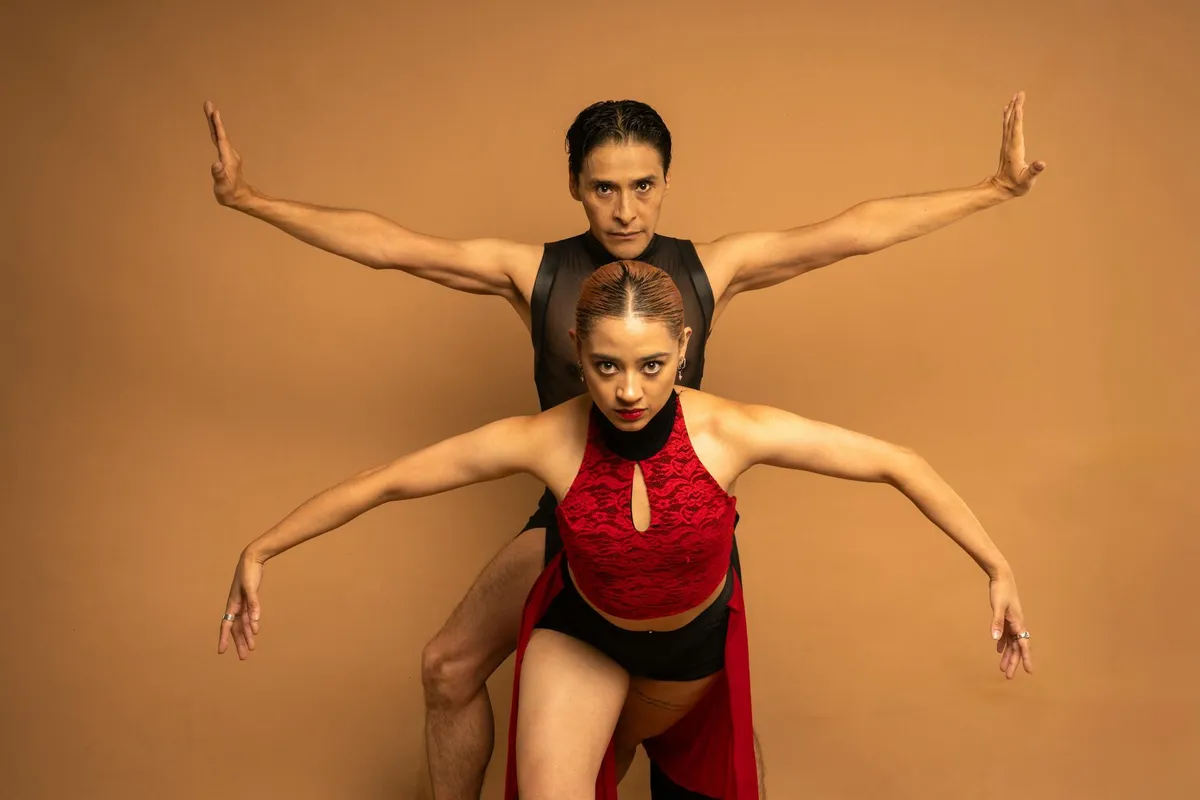
A dance therapy session blends gentle conversation with guided movement, helping you explore emotions and self-expression through your body at your own comfortable pace.
Your therapist greets you in a open, comfortable space and spends a few minutes asking how you're feeling today, both physically and emotionally, so the session can be tailored to where you are right now.
Together you briefly discuss what you'd like to explore or release during the session, whether that's stress, a particular emotion, or simply curiosity about how your body wants to move.
Your therapist guides you through gentle, low-pressure movements like shoulder rolls, slow walks across the room, or simple stretches to help your body ease in and your nervous system settle.
The heart of the session begins as your therapist offers prompts, music, or imagery to invite movement that reflects your inner experience, with no choreography or right way to move required.
Your therapist may gently mirror or move alongside you, creating a sense of being seen and supported, which can deepen your connection to what your body is expressing.
The movement gradually slows as you're guided into stillness or light stretching, giving your body and mind time to absorb and integrate whatever arose during the session.
You and your therapist sit together to talk through what you noticed, any emotions, images, or sensations that surfaced, helping you make meaning of your movement experience.
Your therapist wraps up by checking in on how you feel now compared to when you arrived, and may suggest simple movement practices to try at home before your next session.
The Evidence
What research currently shows about dance therapy, where the evidence is strong, where it is limited, and what to keep in mind.
Promising early findings, but more rigorous research is needed
Dance therapy has a growing body of supportive research, particularly for mood, anxiety, and trauma. Most studies are small-scale or qualitative, and large randomised controlled trials remain limited, so findings should be interpreted with appropriate caution.
Studies suggest dance therapy may reduce symptoms of depression, anxiety, and trauma, and support emotional regulation and self-esteem. However, most research is small-scale or qualitative. Heterogeneity in approaches and therapist training makes rigorous comparison difficult. Evidence is best described as emerging to moderate.
Existing studies most consistently examine dance therapy's effects on depression, anxiety, stress reduction, and trauma processing. Neuroscience interest in embodied cognition and somatic approaches has provided theoretical support for how movement may influence emotional and nervous system regulation, though more standardised clinical trials are needed.
Dance therapy sits outside conventional psychotherapy but draws on recognised psychological principles. It is best understood as a complementary or adjunctive approach rather than a standalone intervention for serious mental health conditions. Its value lies in offering a non-verbal, body-centred pathway to emotional processing.
Pioneered in the 1940s by figures such as Marian Chace, dance therapy developed from observations that creative movement supported emotional and psychological wellbeing in psychiatric settings. Professional bodies have since established training standards and credentials, grounding the field in both psychological theory and somatic practice.
Those with significant physical conditions, recent surgery, or balance disorders should consult a doctor before starting. Dance therapy is not a substitute for professional assessment and clinical support in cases of severe mental health presentations such as acute psychosis or active suicidal ideation. Always inform your therapist of physical limitations so modifications can be made.
The diversity of dance therapy approaches, variation in therapist training, and difficulty standardising sessions make it hard to draw firm conclusions across studies. Seekers should be cautious of inflated outcome claims. Choosing a practitioner credentialled through a recognised body such as the ADTA (American Dance Therapy Association) or DTAA (Dance Therapy Association of Australasia), and using dance therapy alongside appropriate professional care, is advisable.
Safety first
General guidance to help you decide whether this approach is appropriate for you. This is informational only and not a substitute for medical, psychological, or professional advice.
If you are pregnant, managing a health condition, recovering from injury or surgery, or taking medication, consult a qualified healthcare professional first.
Some situations call for extra care or a different approach. Share any conditions, injuries, or sensitivities with your practitioner before your first session.
Look for clear boundaries, transparent pricing, and practitioners who avoid fear-based claims or pressure to book frequent sessions.
Mild, short-lived effects such as tenderness, tiredness, or temporary soreness can occur. Rest, hydrate, and tell your practitioner how you respond.
For you?
A simple, human way to weigh it up. This is general guidance, not personal medical advice — a qualified practitioner can advise on your situation.
Gyfts is a discovery platform, not a medical provider. Nothing here diagnoses, treats or replaces professional care. In an emergency, contact your local emergency number.
Explore approaches
Other practices people often explore alongside dance therapy.
In their words
FAQ
No. Dance therapy is not about technique, performance, or being a "good dancer." It is about authentic movement and self-expression. Your therapist is trained to work with all bodies and movement abilities. The focus is on how movement helps you process emotions and connect with yourself, not on choreography or skill.
Self-consciousness is common and valid. A skilled dance therapist creates a safe, non-judgmental space and will work at your pace. You may begin with smaller, gentler movements and gradually explore more expressive movement as you build trust. Your therapist may also offer options for moving with eyes closed or moving alongside you rather than watching directly.
This varies widely depending on your goals and circumstances. Some people benefit from a single session or a short course of 4-8 sessions, while others engage in ongoing weekly therapy for months or years. Your therapist will help you develop a realistic plan and can adjust frequency based on your progress and needs.
Wear comfortable, loose-fitting clothing that allows free movement—yoga clothes, athletic wear, or casual pants and a t-shirt are ideal. Remove shoes or wear soft dance shoes or socks so you can feel the floor and move safely. Avoid restrictive clothing, heavy jewelry, or anything that makes you feel uncomfortable in your body.
No. Dance classes focus on learning choreography and technique. Dance therapy is a clinical or wellness intervention that uses movement as a tool for emotional and mental health. A dance therapist is trained in psychology, trauma awareness, and therapeutic technique, not just dance instruction.
Dance therapy can support trauma recovery by allowing the body to safely process stored emotional and physical tension through movement. However, trauma work requires a trained, trauma-informed therapist. Dance therapy works best as part of a comprehensive treatment plan that may include talk therapy or other professional support. Always ensure your therapist is trained in trauma-informed care.
Becoming emotional—crying, feeling anger, or other intense feelings—is a normal and often healthy part of dance therapy. Your therapist is trained to hold space for these emotions safely. Movement can release emotions stored in the body, and your therapist will support you through this process.
Coverage varies by insurance plan and location. Some insurance plans do cover dance therapy when provided by a licensed, credentialed dance therapist, particularly if it is part of a treatment plan for a diagnosed mental health condition. Check with your insurance provider and ask your therapist about billing options and any available sliding scale fees.
References
Educational sources that inform this overview. Inclusion is for context and does not imply endorsement.
Full citations are maintained by the Gyfts editorial team and reviewed periodically.
Keep exploring
Browse practitioners, explore honest overviews, and take what you learn to a conversation — at your own pace.