What it is
A practice using meditation and prayer to deepen spiritual awareness across many traditions.
Divine Connection practices aim to deepen spiritual awareness and foster a sense of unity with the sacred through meditation, prayer, and...

At a glance
What it is
A practice using meditation and prayer to deepen spiritual awareness across many traditions.
Why explore it
People turn to it for inner peace, life purpose, and meaning during personal transitions.
How it’s experienced
Sessions may include guided meditation or quiet reflection, with experiences varying widely.
Evidence context
Rooted in centuries of spiritual tradition and personal testimony rather than clinical research.
See the evidence snapshotSafety
Low-risk for most, but avoid practitioners who pressure beliefs or discourage medical care.
See staying safeHistory & Origin
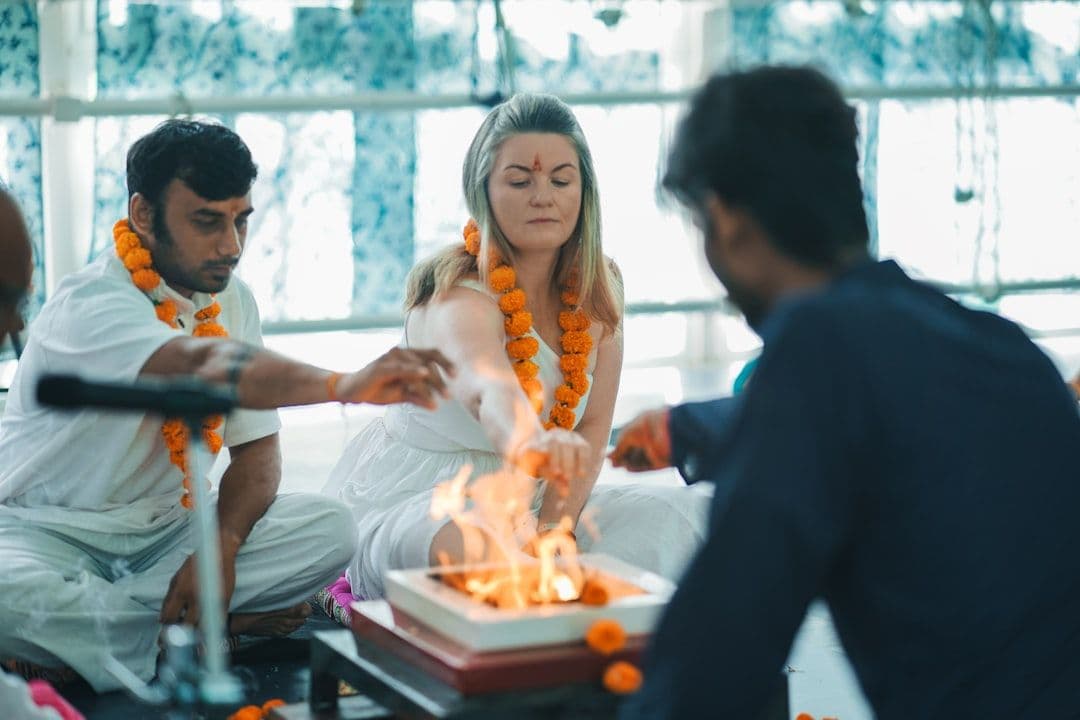
Divine Connection practices foster a profound connection with the divine, facilitating spiritual growth.
Divine Connection practices have roots extending across virtually all human cultures and spiritual traditions. Ancient contemplative practices appear in Hindu Vedic texts dating back thousands of years, Buddhist meditation techniques developed over 2,500 years ago, Christian mystical prayer traditions, Islamic Sufi practices, and indigenous spiritual rituals worldwide. These diverse approaches share a common thread: the human impulse to experience transcendence and connection with something greater than oneself.
The modern formalization of Divine Connection as a structured practice gained momentum in the 20th century as Western spirituality became increasingly secularized and individualized. Figures like Thich Nhat Hanh, Deepak Chopra, and numerous contemporary spiritual teachers have synthesized traditional wisdom with contemporary psychology and neuroscience to create accessible frameworks for modern practitioners. The rise of mindfulness and contemplative practice in secular contexts has made these approaches more mainstream, with hospitals, schools, and corporate wellness programs incorporating elements of spiritual connection practices.
The proliferation of Divine Connection modalities reflects both a return to ancient wisdom and an evolution of spiritual expression. Rather than replacing traditional religious practice, many contemporary Divine Connection approaches complement existing faith traditions while remaining accessible to secular practitioners seeking meaning and purpose. This democratization of spiritual practice has allowed individuals from all backgrounds to explore connection with the divine according to their own beliefs and preferences.
Mechanism
Divine Connection is best framed as a traditional, symbolic, energetic, reflective, or spiritual practice rather than a validated medical mechanism. Practitioners may use ritual, attention, sound, imagery, touch-free work, cards, symbols, prayer, or intention to support meaning-making and a sense of connection. People may explore it for reflection, calm, or spiritual context, while health claims should remain cautious and personal. Divine Connection practices involve cultivating awareness and communication with the transcendent or sacred through contemplation, prayer, ritual, or meditative techniques rooted in various spiritual traditions.
Your first visit
A typical session outline to help you feel prepared
A Divine Connection session blends meditation, prayer, and visualization to help you explore your spirituality and deepen your sense of inner purpose in a welcoming, judgment-free space.
Your practitioner opens with a relaxed, unhurried chat about your spiritual background, beliefs, and what drew you to the session, helping them understand your unique path.
Together you identify what you hope to experience or explore, whether that's peace, clarity, a sense of purpose, or simply curiosity about your own inner life.
The practitioner gently prepares the environment, which may include soft lighting, calming music, incense, or a brief opening prayer or centering moment suited to your beliefs.
You settle into a comfortable position and are guided into a meditation, visualization, or prayerful state using language and imagery that resonate with your personal worldview.
The heart of the session unfolds as you move through guided imagery, reflective silence, or devotional practice, allowing deeper awareness or a felt sense of connection to emerge.
After the active guidance ends, you rest quietly for a few moments to absorb whatever arose, with no pressure to interpret or explain what you experienced right away.
Your practitioner invites you to share any feelings, images, or insights that surfaced, helping you gently make sense of your experience without imposing any particular meaning.
The session closes with a grounding moment and your practitioner may suggest simple practices like journaling or a brief daily meditation to carry the experience forward.
The Evidence
What research and tradition tell us about Divine Connection practices and their role in spiritual and psychological wellbeing.
Rooted in tradition; limited by conventional measurement
Divine Connection practices draw on thousands of years of cross-cultural spiritual wisdom. Scientific study of the specific experiences involved is limited, though related contemplative practices show associations with reduced stress and improved psychological wellbeing.
The experiences central to Divine Connection — transcendence, sacred awareness, and felt connection with the divine — are inherently subjective and not measurable through conventional research methods. This does not diminish their significance for practitioners, but it does mean evidence rests on traditional wisdom and personal testimony rather than controlled studies.
From Vedic contemplation and Buddhist meditation to Christian mystical prayer, Sufi practice, and indigenous ritual, the impulse to connect with something greater than oneself is a near-universal human phenomenon. This breadth of tradition across independent cultures is itself considered meaningful context, even in the absence of clinical trials.
People who engage in Divine Connection practices commonly report increased sense of purpose, inner peace, and resilience. However, outcomes are shaped by personal belief, expectation, and the specific tradition involved. These factors make generalised claims difficult to support and highlight the importance of individual discernment.
Studies on meditation and contemplative prayer suggest associations with stress reduction and psychological wellbeing, but these findings do not directly validate the spiritual claims of Divine Connection work. The gap between measurable psychological effects and the metaphysical dimensions of these practices should be acknowledged honestly.
Those experiencing active mental health crises or psychiatric symptoms should seek professional support before engaging in intensive spiritual practice. Be alert to practitioners who pressure particular beliefs, claim to offer professional assessment, or discourage necessary medical or psychological care. Spiritual practice should complement, not replace, qualified professional support when it is needed.
Look for practitioners who respect your autonomy, maintain clear boundaries, and make no inflated outcome claims. There is no universal accreditation standard for Divine Connection work, so personal referrals, transparent communication about methods, and a practitioner's willingness to support your broader care are useful indicators of trustworthiness.
Safety first
General guidance to help you decide whether this approach is appropriate for you. This is informational only and not a substitute for medical, psychological, or professional advice.
If you are experiencing severe distress, suicidal thoughts, psychosis, acute trauma, or another serious mental health concern, seek qualified support first.
This approach is not suitable for diagnosis, treatment instructions, or decisions that require medical, legal, financial, or professional advice.
Look for clear boundaries, transparent pricing, and practitioners who avoid fear-based claims or pressure to book frequent sessions.
Treat any insight as one reflective perspective, not absolute truth. Important decisions should be considered with appropriate professional support.
For you?
A simple, human way to weigh it up. This is general guidance, not personal medical advice — a qualified practitioner can advise on your situation.
Gyfts is a discovery platform, not a medical provider. Nothing here diagnoses, treats or replaces professional care. In an emergency, contact your local emergency number.
Explore approaches
Other practices people often explore alongside divine connection.
In their words
FAQ
Sessions typically involve guided meditation, prayer, visualization, or contemplative practice designed to help you access a deeper sense of spiritual awareness and connection. The practitioner creates a safe, quiet space and guides you through techniques tailored to your beliefs and intentions. You remain fully conscious throughout and can stop at any time. Sessions are typically 45-90 minutes and focus on your inner experience and spiritual goals.
This varies widely based on your goals and commitment level. Some people benefit from regular weekly sessions to establish and deepen practice, while others engage monthly or periodically. Many practitioners recommend consistent practice over several weeks or months to notice meaningful shifts in awareness and spiritual connection. Discuss your specific goals with your practitioner to determine an appropriate frequency.
No. Divine Connection can be tailored to any faith tradition or to secular spirituality. Some practitioners work within specific religious frameworks, while others offer non-denominational approaches. Discuss your beliefs and preferences with potential practitioners to find someone whose approach aligns with yours.
Divine Connection practices complement but do not replace mental health treatment or medical care. If you're experiencing depression, anxiety, or other mental health concerns, maintain care with mental health professionals while using spiritual practices to support your overall wellbeing. Always consult with your doctor before discontinuing medical treatment.
Spiritual experiences vary widely and are highly subjective. Some people experience vivid insights, emotional releases, or feelings of connection, while others have quiet, subtle experiences or no apparent experience. Neither approach indicates failure. Spiritual development is often gradual, and consistent practice typically deepens over time, even when individual sessions feel unremarkable.
For most people, Divine Connection practices are considered safe. However, those with certain mental health conditions should consult their healthcare provider first. Ensure your practitioner maintains professional boundaries, respects your autonomy, and does not discourage you from seeking necessary medical or mental health care.
References
Educational sources that inform this overview. Inclusion is for context and does not imply endorsement.
Full citations are maintained by the Gyfts editorial team and reviewed periodically.
Keep exploring
Browse practitioners, explore honest overviews, and take what you learn to a conversation — at your own pace.