What it is
A practice honoring feminine energy to support healing, self-worth, and inner balance.
Divine Feminine is a spiritual practice centered on reconnecting with and honoring the feminine aspects of energy and consciousness withi...

At a glance
What it is
A practice honoring feminine energy to support healing, self-worth, and inner balance.
Why explore it
Many find it helpful for intuition, burnout relief, grief, and unlocking creativity.
How it’s experienced
Expect meditation, ritual, journaling, or circle gatherings, with deeply personal results.
Evidence context
Rooted in traditional wisdom across cultures, not clinical research, so outcomes vary personally.
See the evidence snapshotSafety
Low risk alongside professional care, but stabilize with licensed support if trauma is active.
See staying safeHistory & Origin
Divine Feminine emphasizes embracing and nurturing the feminine energy for empowerment and balance.
The Divine Feminine concept draws from ancient spiritual traditions across multiple cultures, including Hindu Tantra (the goddess Shakti), Chinese philosophy (yin energy), Wiccan and pagan traditions honoring the Goddess, and Indigenous spiritual practices that revered feminine creative power. These traditions have long recognized the feminine principle as essential to spiritual wholeness and cosmic balance.
In modern Western contexts, the Divine Feminine movement gained significant momentum during the feminist spirituality movement of the 1960s and 1970s, particularly through the work of authors and practitioners who sought to reclaim goddess spirituality and challenge patriarchal religious structures. Scholars and spiritual teachers like Starhawk, Jean Shinoda Bolen, and others articulated frameworks for understanding feminine spiritual energy as distinct from biological sex.
The contemporary Divine Feminine practice synthesizes these historical roots with modern psychology, energy work, and self-development approaches. It emphasizes qualities traditionally associated with the feminine—intuition, receptivity, nurturing, creativity, and emotional depth—while positioning these as valuable spiritual resources available to all people regardless of gender. The movement has expanded through workshops, books, online communities, and holistic practitioners worldwide.
Today, Divine Feminine work encompasses meditation, ritual, journaling, dance, energy healing, and guided introspection practices. It appeals to individuals seeking spiritual balance, emotional healing, and a reconnection with aspects of themselves they may have suppressed or undervalued.
Mechanism
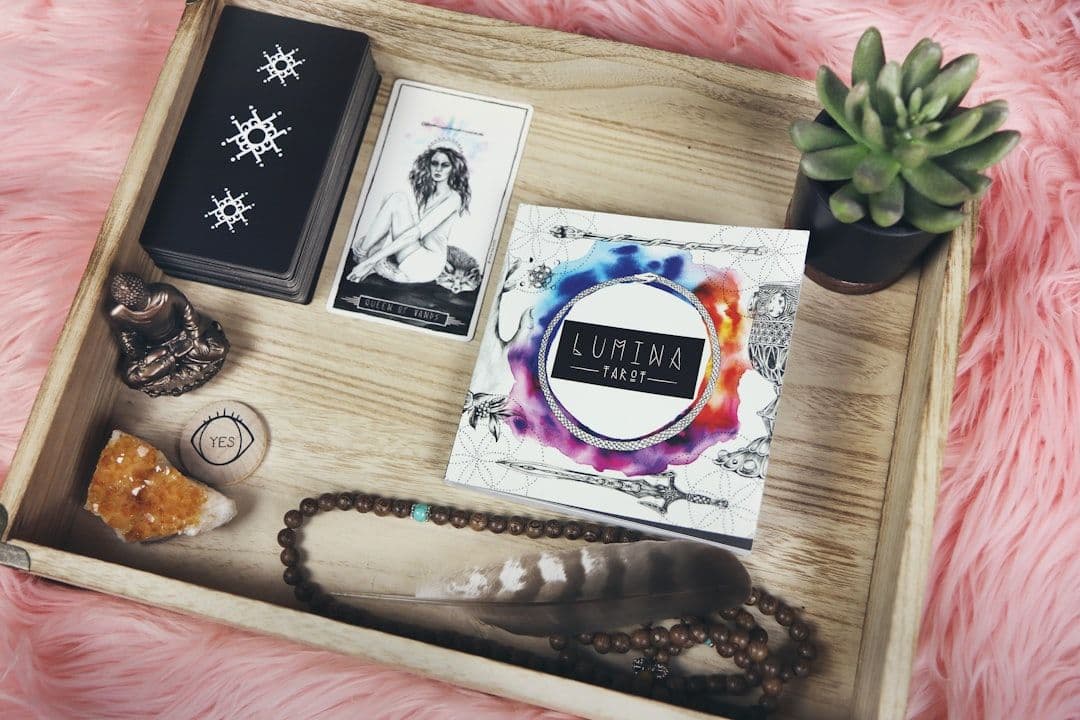
Divine Feminine is best framed as a traditional, symbolic, energetic, reflective, or spiritual practice rather than a validated medical mechanism. Practitioners may use ritual, attention, sound, imagery, touch-free work, cards, symbols, prayer, or intention to support meaning-making and a sense of connection. People may explore it for reflection, calm, or spiritual context, while health claims should remain cautious and personal. Divine Feminine practice centres on cultivating awareness of and alignment with traditionally feminine energies—often described as receptive, intuitive, nurturing, and creative—through meditation, ritual, embodied movement, and intentional reflection.
Your first visit
A typical session outline to help you feel prepared
A Divine Feminine session blends guided meditation, energy work, and ritual to help you reconnect with your inner wisdom and emotional depth.
Your practitioner opens with a relaxed chat about what brought you here and what you hope to explore. There are no wrong answers — this is simply about helping you feel safe and understood.
The room is arranged with intention — soft lighting, candles, symbolic objects like flowers or crystals may be present. You may be invited to take a few slow breaths together to signal the shift into
You and your practitioner co-create a simple intention for the session, such as releasing self-doubt or reconnecting with creativity. This becomes a gentle anchor for everything that follows.
You are led through a spoken meditation, often drawing on nature imagery, archetypes like the moon or goddess figures, or your own body's sensations. Most people sit or lie comfortably for this portion.
Depending on your practitioner's approach, this might include light energy work, breathwork, journaling prompts, or expressive movement. You are always invited, never pushed, and can pause or redirect at any time.
A small ritual closes the active portion — this could be lighting a candle, drawing an oracle card, or speaking an affirmation aloud. It serves as a meaningful marker between the session work and retu
Your practitioner invites you to share what arose for you — images, feelings, or insights. You may feel peaceful, emotionally released, or quietly energized; all responses are welcome and normal.
You leave with optional suggestions for continuing the work at home, such as a journaling prompt or a simple daily practice. Your practitioner may recommend a follow-up session to let the work deepen over time.
The Evidence
What research and tradition say about Divine Feminine practice, and where the evidence begins and ends.
Rooted in tradition; not yet studied as a clinical practice
Divine Feminine is a spiritual and metaphysical practice with deep roots across world traditions. No clinical research tests it directly, though related practices like meditation and journaling have documented wellbeing benefits.
This practice works with concepts like feminine energy, archetypal symbolism, and inner receptivity — frameworks that belong to spiritual and metaphysical traditions rather than clinical science. These ideas are not testable by conventional research methods, and that is expected for this category of practice. Engaging with it means entering a meaning-making framework, not a medical one.
There are no randomised controlled trials, peer-reviewed studies, or outcome measurements of Divine Feminine as a distinct modality. Related practices — meditation, mindfulness, creative expression, and journaling — have evidence supporting stress reduction and emotional processing, but those findings do not validate Divine Feminine's specific theoretical framework or claimed mechanisms.
Hindu Tantra, Chinese yin philosophy, Wiccan and pagan goddess traditions, and various Indigenous practices have long honoured feminine creative and spiritual power. The modern Western movement built on these roots during the feminist spirituality wave of the 1960s–70s, synthesising ancient symbolism with contemporary psychology and personal development.
Practitioners typically use Divine Feminine work to reconnect with intuition, process grief or emotional wounds, build self-worth, and explore spirituality. These are meaningful personal goals. Whether outcomes arise from the specific framework or from the reflective and community aspects of practice is not established by research.
If you are experiencing severe depression, suicidal ideation, active psychosis, or acute trauma, consult a licensed mental health professional before beginning this practice. Divine Feminine work can surface suppressed emotions; having a therapist or support network in place is advisable. Those with complex trauma histories should seek a trauma-informed practitioner.
Divine Feminine practice may offer genuine meaning, community, and personal insight for those drawn to it. However, it is not a substitute for professional assessment or mental health care, and inflated outcome claims should be viewed with caution. Approach it as a complementary dimension of wellbeing, not a standalone intervention for health conditions.
Safety first
General guidance to help you decide whether this approach is appropriate for you. This is informational only and not a substitute for medical, psychological, or professional advice.
If you are pregnant, managing a health condition, recovering from injury or surgery, or taking medication, consult a qualified healthcare professional first.
Some situations call for extra care or a different approach. Share any conditions, injuries, or sensitivities with your practitioner before your first session.
Look for clear boundaries, transparent pricing, and practitioners who avoid fear-based claims or pressure to book frequent sessions.
Mild, short-lived effects such as tenderness, tiredness, or temporary soreness can occur. Rest, hydrate, and tell your practitioner how you respond.
For you?
A simple, human way to weigh it up. This is general guidance, not personal medical advice — a qualified practitioner can advise on your situation.
Gyfts is a discovery platform, not a medical provider. Nothing here diagnoses, treats or replaces professional care. In an emergency, contact your local emergency number.
Explore approaches
Other practices people often explore alongside divine feminine.
In their words
FAQ
No. While it draws on feminine spiritual energy and qualities traditionally associated with femininity, Divine Feminine practice is designed for people of all genders. Everyone has both masculine and feminine energies; the practice helps individuals access and balance these aspects of themselves regardless of their gender identity.
Sessions vary by practitioner but commonly include guided meditation, visualization, journaling, creative expression, energy work, and dialogue about your inner experience. Your practitioner creates a safe space for you to reconnect with your intuition, emotions, and creative power through practices tailored to your needs.
This depends on your goals and starting point. Some people benefit from ongoing weekly or bi-weekly sessions for several months or longer. Others use it as occasional support during transitions. Many practitioners recommend a series of 6-8 sessions to establish meaningful shifts, with follow-up sessions as desired for continued growth.
Divine Feminine practices can be adapted to align with many faith traditions or kept entirely secular and psychological. Discuss any concerns with your practitioner beforehand. Some religious communities have specific teachings about gender and spirituality; ensure the practice complements rather than contradicts your faith if that matters to you.
Some people experience dramatic shifts; others notice subtle, gradual changes. Both are valid. Spiritual and emotional work unfolds at different paces for different people. If you feel disconnected after several sessions, discuss this with your practitioner—they may adjust their approach or it may simply not be the right modality for you at this time.
No. Divine Feminine practice is complementary and supportive but not a cure or replacement for evidence-based mental health treatment. If you have a diagnosed mental health condition, continue working with your healthcare provider. These practices can enhance your overall wellbeing and support your recovery alongside professional care.
Divine Feminine practitioners are not typically licensed therapists and do not provide clinical mental health treatment. Their work is spiritually and energetically focused, emphasizing connection with inner wisdom and feminine qualities. Therapy is clinical treatment by a licensed professional addressing diagnosed mental health conditions. They can complement each other but serve different purposes.
References
Educational sources that inform this overview. Inclusion is for context and does not imply endorsement.
Full citations are maintained by the Gyfts editorial team and reviewed periodically.
Keep exploring
Browse practitioners, explore honest overviews, and take what you learn to a conversation — at your own pace.