What it is
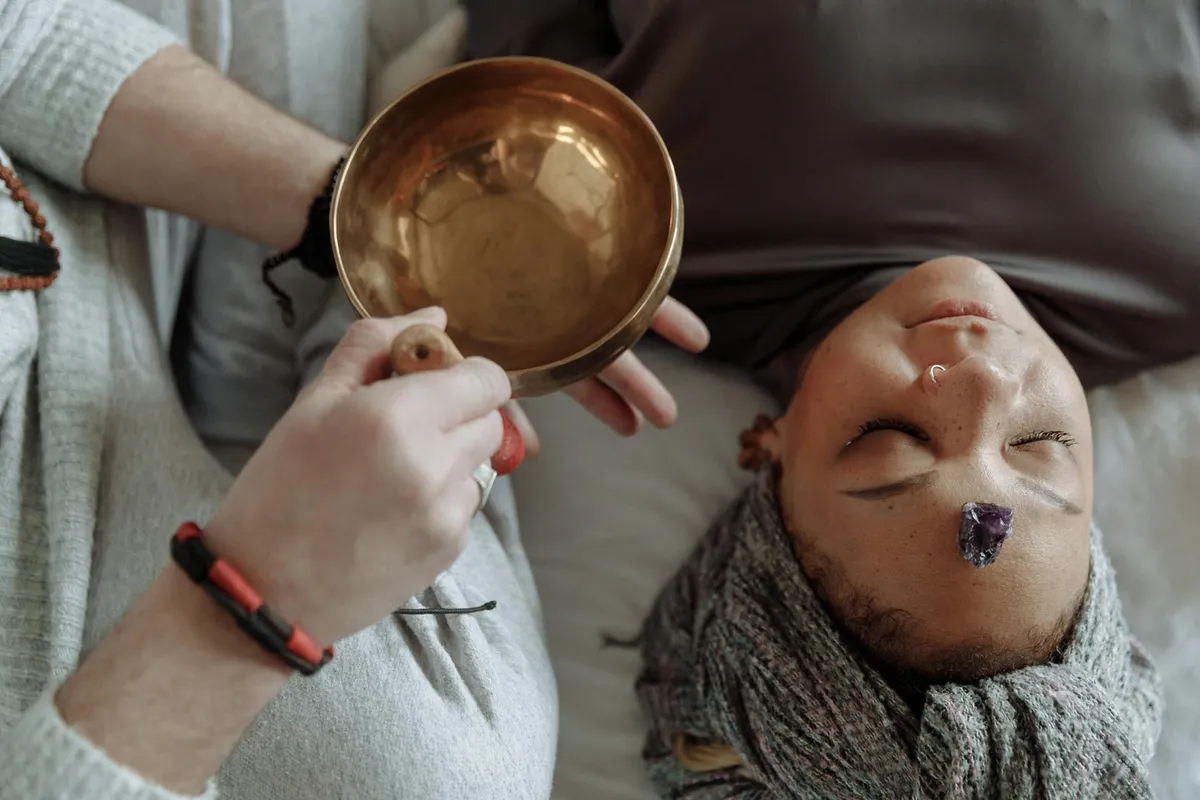
Energy Healing works with your body's life force through Reiki, touch, or qi gong to invite calm.
Energy Healing is a complementary practice based on the concept that vital life force flows through the body and can be channeled to prom...
At a glance
What it is
Energy Healing works with your body's life force through Reiki, touch, or qi gong to invite calm.
Why explore it
It may ease stress, lift mood, and bring a sense of peace during life's bigger transitions.
How it’s experienced
Expect gentle touch or hovering hands, often bringing warmth, tingling, or a deep sense of calm.
Evidence context
Evidence is mostly personal accounts, so keep realistic expectations and an open, curious mind.
See the evidence snapshotSafety
Generally safe alongside conventional care, but always check with your doctor before making changes.
See staying safeHistory & Origin
Energy Healing involves channeling healing energy to address physical, emotional, and spiritual imbalances.
Energy Healing practices are rooted in ancient healing traditions spanning thousands of years across multiple cultures. Traditional Chinese Medicine, developed over 3,000 years ago, describes Qi (pronounced "chee") as the vital life force flowing through meridian pathways in the body. Similarly, Ayurvedic medicine from India speaks of Prana as the universal life force that sustains all living beings. These foundational concepts informed modern Energy Healing practices in the West.
In the late 19th and early 20th centuries, Japanese practitioner Mikao Usui developed Reiki, systematizing Energy Healing techniques into a structured practice that could be learned and transmitted. Reiki gained significant popularity in Japan and subsequently spread throughout Europe and North America during the 1970s and 1980s. Around the same time, Filipino healer Ambrose Worrall and others brought renewed attention to what became known as hands-on healing or spiritual healing practices.
The modern Energy Healing movement encompasses diverse approaches including Pranic Healing (developed by Choa Kok Sui in the 1980s), Qi Gong and Tai Chi from Chinese traditions, therapeutic touch, and various contemporary modalities. The expansion of New Age spirituality and holistic health movements in the late 20th century accelerated the integration of Energy Healing into complementary health practices worldwide. Today, Energy Healing practitioners operate in wellness centers, spas, private practices, and some integrative medical clinics across numerous countries.
Approaches
Energy Healing isn’t a single method. Practitioners may train in one tradition or blend several — here are the styles you’re most likely to meet.
Uses light touch or hands-off practice with the intention of supporting relaxation and energy balance.
A structured biofield approach often used in supportive care settings.
Uses hands near the body with the intention of assessing and balancing the energy field.
Uses a no-touch approach that focuses on cleansing and energizing the body's energy field.
Mechanism
Energy Healing is best framed as a traditional, symbolic, energetic, reflective, or spiritual practice rather than a validated medical mechanism. Practitioners may use ritual, attention, sound, imagery, touch-free work, cards, symbols, prayer, or intention to support meaning-making and a sense of connection. People may explore it for reflection, calm, or spiritual context, while health claims should remain cautious and personal. Energy healing practitioners work from the premise that imbalances in the body's vital life force (known as Qi, prana, or chi across different traditions) contribute to physical illness and emotional distress.
Your first visit
A typical session outline to help you feel prepared
An energy healing session is a gentle, fully clothed experience where a practitioner works with your body's subtle energy field to support balance and wellbeing.
Your practitioner greets you and asks about your health history, stress levels, and what you're hoping to get from the session so they can personalize their approach.
Together you'll identify a focus or intention for the session, whether that's relaxation, emotional clarity, or simply openness, giving the work a meaningful direction.
You lie fully clothed on a padded treatment table in a quiet, softly lit room. No undressing is needed, and you can adjust pillows or blankets to feel completely at ease.
Before touching or hovering near you, the practitioner takes a moment to ground and center themselves, a key step in energy work that prepares them to sense and engage with your field.
The practitioner slowly moves their hands a few inches above your body to sense areas that feel dense, depleted, or out of balance before the hands-on portion begins.
With hands lightly resting on or hovering near specific areas, the practitioner works to encourage the flow of energy, which many people experience as warmth, tingling, or a wave of deep calm.
As the session winds down, the practitioner gently signals the end of active work and may use light touch at your feet or shoulders to help you feel grounded and present again.
You'll have a few minutes to reorient before chatting about what the practitioner noticed and any self-care suggestions, like drinking water, resting, or journaling, to extend the session's benefits.
The Evidence
What research and tradition say about Energy Healing, and how to approach it with informed expectations.
Rooted in tradition; limited scientific support
Energy Healing draws on ancient frameworks not yet validated by modern science. Some studies suggest relaxation and wellbeing benefits, but methodological limitations mean these findings cannot be attributed to specific energetic mechanisms.
Concepts like Qi, prana, and life force energy are central to Energy Healing traditions but fall outside the scope of conventional physics and biology. Scientific instruments cannot detect the energies described. This does not invalidate personal experience, but it does mean claims should be understood as traditional or spiritual rather than evidence-based.
Research on practices like Reiki involves small samples, lacks adequate controls, and cannot reliably blind participants. Observed benefits — such as reduced anxiety or improved mood — may reflect placebo response, therapeutic attention, or a calming environment rather than energy transfer. No robust evidence supports specific energetic mechanisms.
Traditional Chinese Medicine's concept of Qi and Ayurveda's prana both describe vital life forces that inform modern Energy Healing. Reiki, systematised by Mikao Usui in early 20th-century Japan, brought these ideas into a structured Western-accessible form. These traditions carry deep cultural meaning independent of scientific validation.
Practitioners are not qualified to assess, manage, or advise on medical or psychiatric conditions. Energy Healing should not replace established care, and sessions should not lead to stopping prescribed treatments. Be cautious of inflated outcome claims or practitioners who discourage conventional medical involvement.
People with acute medical conditions, severe mental health symptoms, pacemakers, recent surgery, or pregnancy should consult their healthcare provider before beginning sessions. Energy Healing must never replace emergency care. If a practitioner makes medical claims or discourages conventional treatment, treat this as a warning sign.
Look for practitioners who are transparent about the nature and limits of their work, do not make inflated outcome claims, and support your engagement with conventional healthcare. Recognised training credentials (such as Reiki attunement levels) exist but are not regulated in most countries. A good practitioner will not exploit vulnerability or create dependency.
Safety first
General guidance to help you decide whether this approach is appropriate for you. This is informational only and not a substitute for medical, psychological, or professional advice.
If you are experiencing severe distress, suicidal thoughts, psychosis, acute trauma, or another serious mental health concern, seek qualified support first.
This approach is not suitable for diagnosis, treatment instructions, or decisions that require medical, legal, financial, or professional advice.
Look for clear boundaries, transparent pricing, and practitioners who avoid fear-based claims or pressure to book frequent sessions.
Treat any insight as one reflective perspective, not absolute truth. Important decisions should be considered with appropriate professional support.
For you?
A simple, human way to weigh it up. This is general guidance, not personal medical advice — a qualified practitioner can advise on your situation.
Gyfts is a discovery platform, not a medical provider. Nothing here diagnoses, treats or replaces professional care. In an emergency, contact your local emergency number.
Explore approaches
Other practices people often explore alongside energy healing.
In their words
FAQ
In Energy Healing, 'energy' refers to a vital life force believed to flow through all living beings—called Qi in Chinese medicine, Prana in Ayurveda, and by other names across traditions. While this concept is not recognized by conventional science, practitioners believe that blockages or imbalances in this energy can affect physical and emotional well-being. The concept remains metaphysical and is not measurable by standard scientific instruments.
Experiences vary widely. Some people report feeling warmth, tingling, heaviness, or lightness in specific areas. Others feel deeply relaxed or emotionally moved. Many describe a sense of peace or well-being. Some people don't notice obvious physical sensations but report feeling better in the days following treatment. There's no 'correct' experience—different responses don't indicate whether treatment is working.
This varies greatly depending on your goals and condition. Some people benefit from a single session for relaxation. For addressing chronic emotional or spiritual concerns, practitioners often recommend 4-6 sessions initially to establish momentum. Ongoing maintenance sessions might be monthly or quarterly. Your practitioner will make recommendations based on your individual situation, but the optimal number of sessions is not scientifically established.
No. Energy Healing is a complementary practice intended to support overall wellness alongside conventional medical care, not replace it. If you have a diagnosed medical condition, continue working with your doctor and take prescribed medications as directed. Always inform both your healthcare providers and Energy Healing practitioner about all treatments you're receiving.
Energy Healing is not supported by robust clinical evidence in the conventional scientific sense. Research on modalities like Reiki shows mixed results, with many studies limited by small sample sizes or methodological challenges. While some studies suggest benefits for relaxation and well-being, these could reflect placebo effects or the power of therapeutic attention. Energy Healing is best understood as a traditional practice rather than an evidence-based medical treatment.
Look for practitioners with specific training in a recognized modality (Reiki, Pranic Healing, etc.) and relevant certifications from established organizations. Ask about their training, experience, and approach. Check for professional liability insurance and clear pricing. Request referrals or read reviews from past clients. Remember that licensing and regulation of Energy Healing varies by location and is not standardized across the field.
Different Energy Healing modalities emphasize different approaches and theoretical frameworks. Reiki uses hands-on or hands-off techniques and channel universal energy. Pranic Healing emphasizes specific hand movements and visualization of energy. Qi Gong combines movement, breathing, and meditation based on Traditional Chinese Medicine. Therapeutic Touch focuses on intentional hand movements in the energy field. Despite these differences, they all operate on the principle of channeling or directing vital life force for healing.
References
Educational sources that inform this overview. Inclusion is for context and does not imply endorsement.
Full citations are maintained by the Gyfts editorial team and reviewed periodically.
Keep exploring
Browse practitioners, explore honest overviews, and take what you learn to a conversation — at your own pace.