What it is
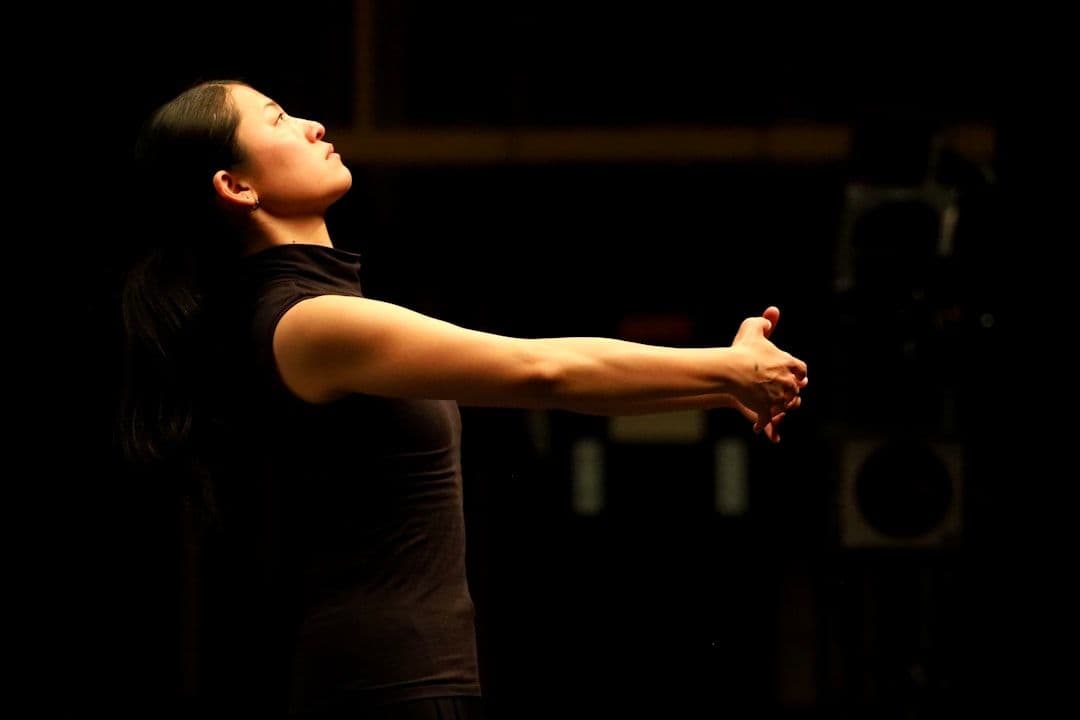
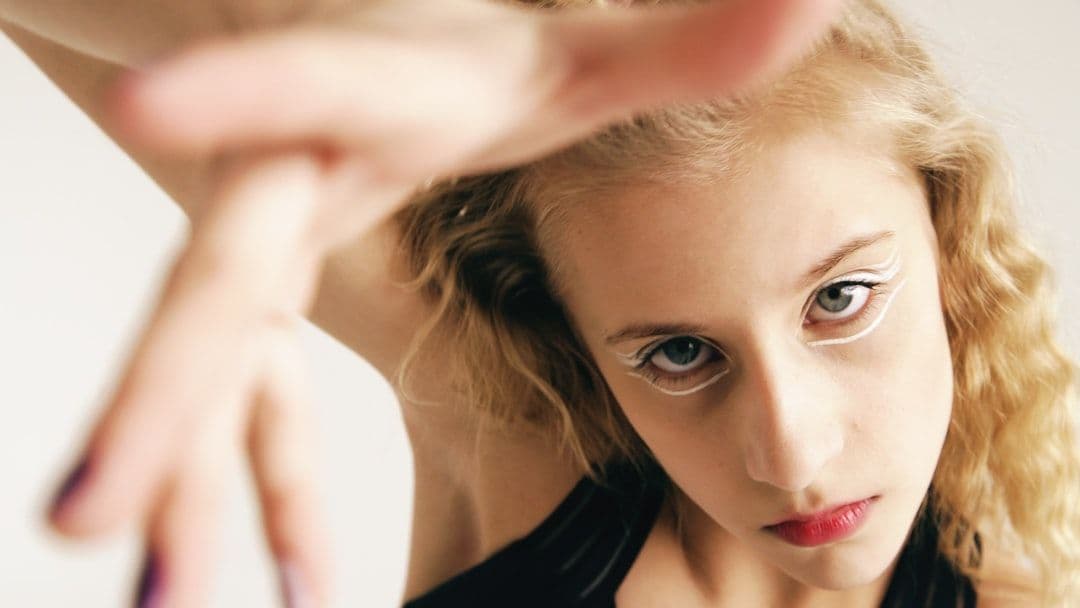
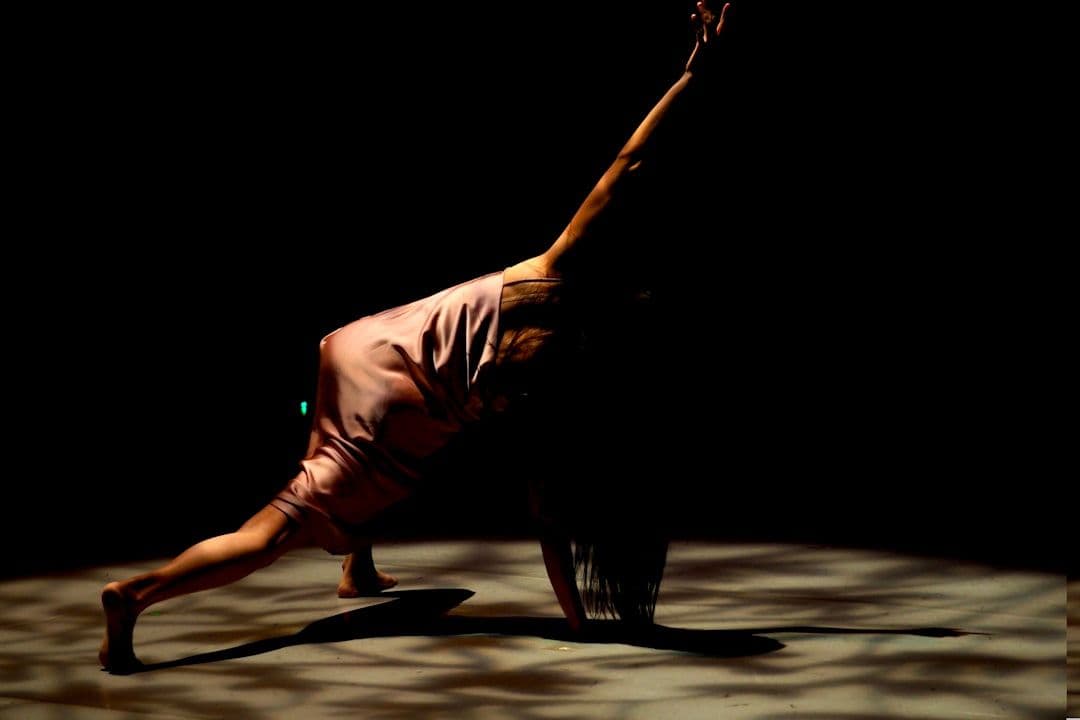
A therapy using art, music, movement, and writing to help you process emotions creatively.
Expressive Arts therapy uses creative modalities like visual art, music, dance, and writing to facilitate emotional healing and self-expr...
At a glance
What it is
A therapy using art, music, movement, and writing to help you process emotions creatively.
Why explore it
It may ease trauma, anxiety, and grief by unlocking feelings that are hard to put into words.
How it’s experienced
A trained guide leads creative activities suited to you, with no artistic skill required.
Evidence context
Research supports emotional benefits, though outcomes vary by person and practitioner skill.
See the evidence snapshotSafety
It's low-risk, but those with acute psychiatric conditions should check with a provider first.
See staying safeHistory & Origin
Expressive Arts involve artistic forms of expression to facilitate emotional and psychological healing.
Expressive Arts therapy emerged in the mid-20th century as practitioners recognized the therapeutic potential of creative expression. The field developed from art therapy, dance/movement therapy, and music therapy traditions, each with roots in both Western psychology and ancient healing practices that used artistic expression for emotional and spiritual well-being. Key figures including Edith Kramer in art therapy and Marion Chace in dance therapy pioneered formal frameworks for using creative modalities in therapeutic settings during the 1940s-1960s.
The integrative approach of Expressive Arts—combining multiple artistic forms in a single therapeutic container—was formally developed in the 1970s and 1980s, with significant contributions from Natalie Rogers, Carl Rogers' daughter, who created the Person-Centered Expressive Arts approach. This integrated model recognized that different individuals resonate with different art forms, and that combining modalities could deepen therapeutic work. The practice drew on humanistic psychology, existential theory, and the understanding that the creative process itself, rather than artistic skill or product quality, holds healing potential.
Expressive Arts therapy has expanded globally, influenced by diverse cultural artistic traditions and healing practices. It became formalized through professional organizations, training programs, and research initiatives throughout North America, Europe, and increasingly in other regions. Today, it is practiced in clinical settings, community centers, schools, and private practice, often integrated with other therapeutic approaches.
Mechanism
Expressive Arts is generally framed as a guided process for attention, reflection, learning, and emotional integration. Depending on the method, a practitioner may use conversation, imagery, structured exercises, body awareness, or therapeutic techniques to help the person explore patterns and choices. It should not be presented as a standalone solution or a substitute for urgent care, but it may support self-understanding when practiced within an appropriate scope. Expressive Arts therapy operates on the principle that creative processes bypass verbal, analytical thinking to access emotions and experiences stored in the body and unconscious mind.
Your first visit
A typical session outline to help you feel prepared
A typical Expressive Arts session blends creative exploration with gentle reflection, using art-making as a pathway to self-discovery rather than producing polished work.
Your practitioner greets you warmly and asks how you're feeling today, creating a relaxed, judgment-free space before any creative work begins.
You're invited to briefly share what's on your mind or heart — there's no pressure to have it figured out, just an open conversation about where you are right now.
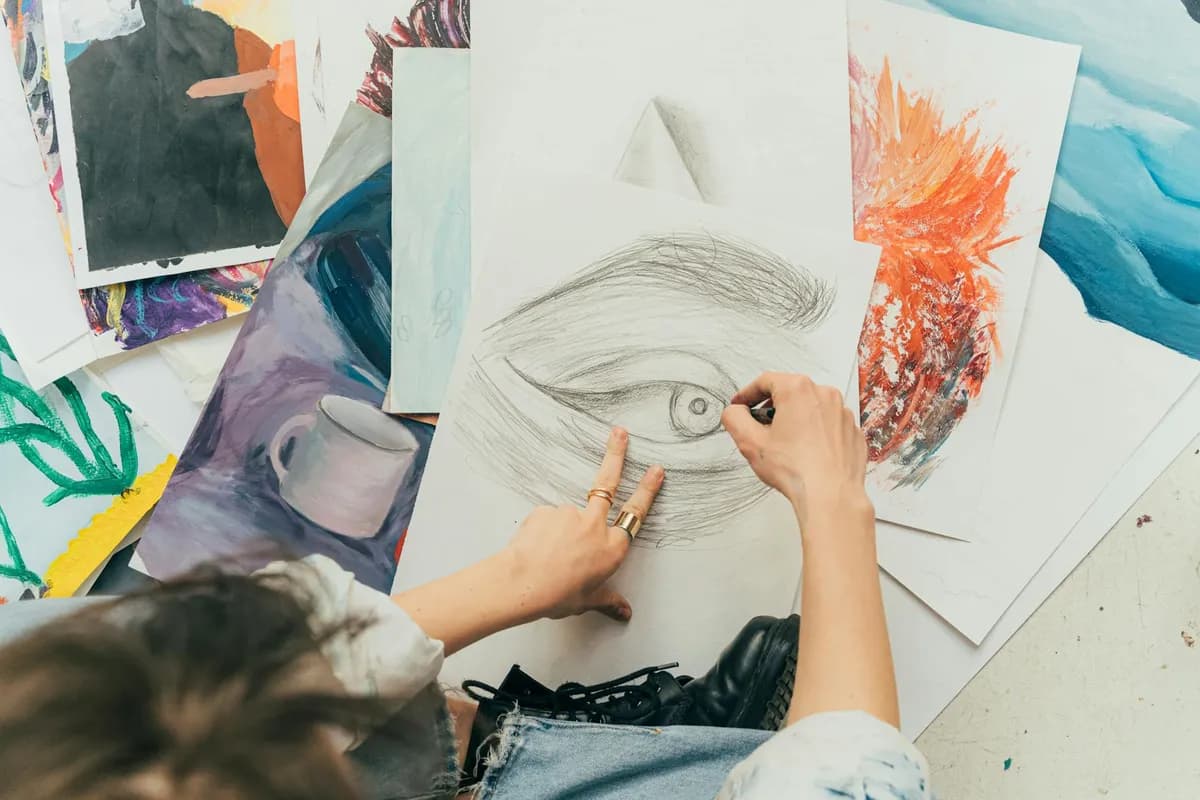
Together you explore which creative outlet feels most alive for you today — drawing, collage, movement, writing, clay, music, or something else entirely.
Your practitioner offers a gentle prompt or theme to spark your expression, such as drawing an emotion or moving through a feeling, with full freedom to interpret it your own way.
This is the heart of the session — you create freely while your practitioner holds supportive space, never directing or critiquing, only encouraging the process as it unfolds.
Once you feel complete, your practitioner gently invites you to look at or sit with what you've made, noticing what arises without analyzing or judging the work.
You share any insights, images, or feelings that surfaced during the creative process, with your practitioner asking open questions to deepen your self-understanding.
The session ends with a grounding moment — a breath, a word, or a simple ritual — and your practitioner may suggest a small creative practice to carry with you until next time.
The Evidence
What research says about Expressive Arts therapy, where the evidence is strong, and where gaps remain.
Promising support for emotional well-being, with a developing evidence base
Research supports the therapeutic value of creative expression for anxiety, depression, and trauma recovery. Evidence for Expressive Arts as an integrated modality is still maturing, and most studies focus on individual art forms rather than combined approaches.
Research over the past two decades shows promising results for reducing anxiety and depression symptoms, supporting trauma processing, and improving emotional regulation. However, many studies have small sample sizes, lack control groups, or use inconsistent delivery methods. This makes it difficult to draw firm conclusions about efficacy for Expressive Arts as a unified approach.
Art therapy, music therapy, and dance/movement therapy each have their own research bodies, but integrated Expressive Arts as a combined method has less direct study. Variability in practitioner training and session structure also makes it hard to compare findings across studies. Consumers should weigh promising signals alongside these methodological gaps.
Formal frameworks emerged in the 1940s–60s through pioneers like Edith Kramer and Marion Chace. The integrated multi-modal model was developed in the 1970s–80s, notably by Natalie Rogers, who recognised that combining artistic forms could deepen therapeutic access. The field draws on both Western psychology and longstanding cultural practices using art for emotional well-being.
Expressive Arts is not a standard clinical intervention, but it is increasingly used alongside conventional mental health care. It is best understood as a complementary support rather than a standalone approach for serious mental health conditions. Its value lies in offering non-verbal, creative routes to emotional processing that conventional talk-based approaches may not always provide.
Those experiencing acute suicidal thoughts, active psychosis, severe dissociation, or crisis situations should seek professional mental health support before beginning. If you have a diagnosed mental health condition, check with your provider to ensure Expressive Arts complements your existing care. Creative work can surface strong emotions, so working with a qualified practitioner is advisable for vulnerable individuals.
Look for practitioners with formal training in Expressive Arts therapy or a recognised individual art therapy discipline, and check for registration with a relevant professional body in your country. Training standards differ internationally, so asking about qualifications and experience with your specific concerns is reasonable. Expressive Arts is not a substitute for professional assessment or mental health treatment where those are indicated.
Safety first
General guidance to help you decide whether this approach is appropriate for you. This is informational only and not a substitute for medical, psychological, or professional advice.
If you are pregnant, managing a health condition, recovering from injury or surgery, or taking medication, consult a qualified healthcare professional first.
Some situations call for extra care or a different approach. Share any conditions, injuries, or sensitivities with your practitioner before your first session.
Look for clear boundaries, transparent pricing, and practitioners who avoid fear-based claims or pressure to book frequent sessions.
Mild, short-lived effects such as tenderness, tiredness, or temporary soreness can occur. Rest, hydrate, and tell your practitioner how you respond.
For you?
A simple, human way to weigh it up. This is general guidance, not personal medical advice — a qualified practitioner can advise on your situation.
Gyfts is a discovery platform, not a medical provider. Nothing here diagnoses, treats or replaces professional care. In an emergency, contact your local emergency number.
Explore approaches
Other practices people often explore alongside expressive arts.
In their words
FAQ
Sessions typically begin with a brief check-in about how you're feeling, followed by warm-up activities to help you settle. You then engage in creative expression using one or more artistic modalities—you might paint, draw, dance, sing, write, or use clay. There's no need for artistic skill; the focus is on the creative process itself. Your practitioner may offer gentle guidance or prompts, or you may work freely. After creating, you and your practitioner reflect on your experience and what emerged. Sessions usually last 50-90 minutes.
This varies greatly depending on your goals, the issues you're addressing, and your individual response to the work. Some people benefit from short-term work (6-12 sessions) to address a specific challenge, while others engage in ongoing therapy over months or years. Your practitioner will discuss a treatment plan during your initial consultation and adjust frequency and duration as needed. Regular weekly sessions are typical, though some people work bi-weekly or monthly.
Absolutely not. Expressive Arts therapy is not about creating beautiful or skilled art—it's about the process of expression itself. Many people who feel they have no artistic ability find Expressive Arts deeply meaningful. The value comes from externalizing your inner experience, not from the quality of the final product. Your practitioner is trained to help you access creative expression regardless of your perceived skill level.
Common modalities include visual arts (drawing, painting, collage, sculpture), dance and movement, music (singing, playing instruments, listening and responding), drama and role-play, and writing (poetry, journaling, storytelling). Many practitioners use an integrative approach, combining multiple modalities in a single session. Your practitioner will assess which modalities resonate most with you.
Expressive Arts therapy is best viewed as a complementary approach that works alongside traditional mental health treatment, not as a replacement. If you are taking medication for anxiety, depression, or other conditions, continue that treatment unless advised otherwise by your prescriber. If you are in traditional therapy, Expressive Arts can enhance that work. Always discuss any mental health concerns with your doctor.
Like traditional therapy, Expressive Arts therapy operates under confidentiality agreements. Your artwork, statements, and any information shared are kept private. Your practitioner will explain their confidentiality policy and its limits (for example, they may be required to report if you disclose intent to harm yourself or others). Ask about how your creative work is stored and whether you can take it home or if it will be kept by your practitioner.
Yes. Children often find creative expression easier than verbal processing and may be especially responsive to Expressive Arts therapy. Practitioners working with children are trained in developmental appropriateness and child-centered approaches. Expressive Arts is used with children to address anxiety, behavioral challenges, trauma, grief, and to support emotional development. Parental involvement varies depending on the child's age and the therapeutic approach.
Reactions vary. Some people feel energized, lighter, or emotionally released. Others feel emotionally activated or reflective. It's common to feel tired or to need quiet time after a session. Occasionally, emotional intensity can increase temporarily as you process previously unexpressed feelings. This is generally part of the healing process, though discuss any concerning responses with your practitioner. They can provide grounding techniques or coping strategies.
References
Educational sources that inform this overview. Inclusion is for context and does not imply endorsement.
Full citations are maintained by the Gyfts editorial team and reviewed periodically.
Keep exploring
Browse practitioners, explore honest overviews, and take what you learn to a conversation — at your own pace.