What it is
Sound, vibration, and energy frequencies are used to support physical and emotional balance.
A range of holistic practices that use sound, vibration, or frequency concepts to promote wellness and balance
At a glance
What it is
Sound, vibration, and energy frequencies are used to support physical and emotional balance.
Why explore it
It may boost relaxation, sleep, and mood, and pairs nicely with yoga or meditation.
How it’s experienced
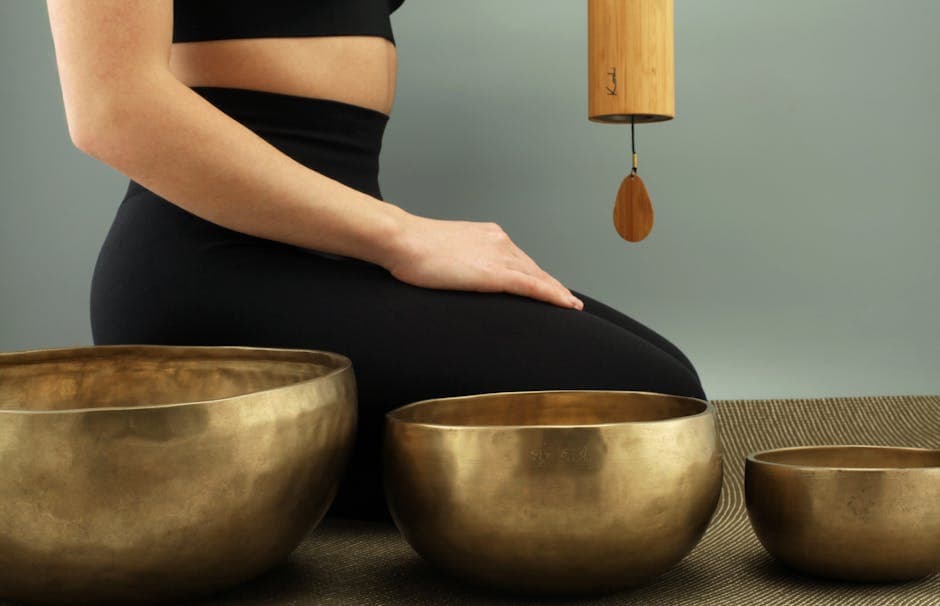
Expect tuning forks, singing bowls, or audio tones that may bring subtle calm or warmth.
Evidence context
Research is still growing, so results vary and some claims have stronger backing than others.
See the evidence snapshotSafety
It's low risk for most, but check with your doctor if you have a pacemaker or are pregnant.
See staying safeHistory & Origin
Frequency-Based Therapy groups multiple vibration-oriented practices.
Frequency-based approaches have roots in multiple cultural and scientific traditions. Ancient civilizations, including Egyptian, Greek, and Asian cultures, recognized the healing potential of sound and vibration—from Tibetan singing bowls to Vedic chanting. In the 20th century, interest in vibrational medicine grew alongside developments in physics and acoustics, with pioneers like Dr. Royal Rife proposing that specific frequencies could affect living organisms. The modern expansion of frequency-based therapy accelerated in the 1980s and 1990s as New Age and complementary health movements embraced sound healing, bioresonance, and frequency medicine as integrative tools.
The category encompasses diverse practices: sound baths using crystal bowls or gongs, cymatics (studying effects of sound waves on matter), biofeedback systems, and devices claiming to emit therapeutic frequencies. Each practice developed its own theoretical framework, ranging from quantum physics-inspired explanations to traditional energy medicine models. Some practitioners ground their work in acoustical science and evidence-based principles, while others emphasize metaphysical or energetic mechanisms.
Frequency-based therapy gained popularity through wellness centers, yoga studios, and alternative health clinics worldwide. Scientific interest has grown unevenly—some frequency-based modalities (such as certain ultrasound applications) have substantial evidence, while others remain largely in the emerging or traditional-use category. The field continues to evolve as both practitioners and researchers explore the measurable effects of sound and vibration on human physiology and psychology.
Mechanism
Frequency-Based Therapy is generally framed as a guided process for attention, reflection, learning, and emotional integration. Depending on the method, a practitioner may use conversation, imagery, structured exercises, body awareness, or therapeutic techniques to help the person explore patterns and choices. It should not be presented as a standalone solution or a substitute for urgent care, but it may support self-understanding when practiced within an appropriate scope. Frequency-based approaches operate on the principle that the human body responds to external vibrations and sound waves.
Your first visit
A typical session outline to help you feel prepared
A Frequency-Based Therapy session uses sound and vibrational tools to support relaxation and wellbeing, guiding you through a calm, restorative experience from start to finish.
Your practitioner begins by reviewing your health history, current concerns, and goals so the session can be tailored specifically to you and your body's needs.
The practitioner may ask about areas of tension, fatigue, or imbalance to help select the right frequencies or instruments, such as tuning forks, singing bowls, or digital tone generators.
You'll lie fully clothed on a treatment table or sit in a reclining chair in a quiet, dimly lit room — no special clothing is required, just something loose and comfortable.
The practitioner introduces sound or vibrational tools near or gently on the body, which may include tuning forks placed on specific points, singing bowls struck nearby, or speakers delivering precise tones.
As the session unfolds, you may notice a gentle hum, tingling, warmth, or a deep sense of stillness — simply breathe naturally and allow the vibrations to wash over you without any effort on your part.
The practitioner listens and observes your responses, adjusting the tools, tones, or placement throughout the session to support a balanced and comfortable experience for you.
The practitioner gradually winds down the sound, giving your body a moment to settle before guiding you gently back to full awareness with soft cues and quiet stillness.
Before you leave, your practitioner will share aftercare tips — drinking plenty of water, resting if needed, and noting any shifts in mood or energy — and may suggest a follow-up schedule.
The Evidence
What research says about frequency-based therapy, where evidence is strong, where it is limited, and what to consider before exploring it.
A broad category with uneven scientific support
Frequency-based therapy spans many practices with very different evidence bases. Some modalities have moderate research support; others rely primarily on traditional use or early-stage findings. Outcomes vary significantly by specific approach.
Therapeutic ultrasound has moderate clinical support for pain and muscle recovery. Sound bath research shows early promise for relaxation and sleep, but studies are often small and lack robust controls. Claims around specific frequencies such as 432 Hz or 528 Hz remain largely anecdotal. Overall, the category is best described as emerging.
This means it operates largely outside conventional medical systems and draws on diverse theoretical models. Some sub-modalities overlap with complementary or traditional system approaches. Users are encouraged to explore it alongside, not instead of, qualified professional care where health concerns are present.
Tibetan singing bowls, Vedic chanting, and Greek therapeutic music all reflect longstanding cultural recognition of sound's effect on wellbeing. Modern frequency therapy built on these traditions alongside 20th-century physics and acoustics. Understanding this context helps distinguish cultural heritage from evidence-based health claims.
Proposed mechanisms such as cellular resonance or water molecule effects in the body lack robust scientific validation. Placebo effects are difficult to separate from outcomes in sound-based studies. Users should be cautious of inflated outcome claims and seek practitioners who communicate honestly about what is and is not established.
People with pacemakers, implanted electronic devices, epilepsy, or heart arrhythmias should seek medical advice before engaging with vibration or sound-based modalities. Those who are pregnant, post-surgical, or managing serious mental health conditions should also consult their care provider. It is not a substitute for professional assessment of any health condition.
There is no universal accreditation standard for frequency-based therapy. Look for practitioners who are transparent about their training, honest about evidence limitations, and who do not make inflated outcome claims. If you have an existing health condition, inform both your practitioner and your primary care provider before starting sessions.
Safety first
General guidance to help you decide whether this approach is appropriate for you. This is informational only and not a substitute for medical, psychological, or professional advice.
If you are pregnant, managing a health condition, recovering from injury or surgery, or taking medication, consult a qualified healthcare professional first.
Some situations call for extra care or a different approach. Share any conditions, injuries, or sensitivities with your practitioner before your first session.
Look for clear boundaries, transparent pricing, and practitioners who avoid fear-based claims or pressure to book frequent sessions.
Mild, short-lived effects such as tenderness, tiredness, or temporary soreness can occur. Rest, hydrate, and tell your practitioner how you respond.
For you?
A simple, human way to weigh it up. This is general guidance, not personal medical advice — a qualified practitioner can advise on your situation.
Gyfts is a discovery platform, not a medical provider. Nothing here diagnoses, treats or replaces professional care. In an emergency, contact your local emergency number.
Explore approaches
Other practices people often explore alongside frequency-based therapy.
In their words
FAQ
Sessions vary by modality. In sound bath sessions, you relax while a practitioner plays singing bowls, gongs, or other instruments, allowing vibrations to move through your body. In other frequency modalities, devices may emit specific frequencies, or biofeedback systems monitor your response to frequency stimulation. Most sessions last 30–60 minutes and are designed to be deeply relaxing.
This varies widely. Some people experience benefit from a single session, while others benefit from a series of weekly or biweekly treatments. Your practitioner will recommend a plan based on your goals and response. Some use frequency therapy as an occasional wellness tool, while others incorporate it regularly into their health routine.
The evidence varies considerably by modality. Some frequency-based practices, such as therapeutic ultrasound, have moderate scientific support. Sound bath experiences and other frequency modalities have emerging evidence and are primarily supported by user reports and traditional use. No frequency-based therapy should replace necessary medical treatment. Always consult your healthcare provider about your specific health concerns.
Many people use frequency-based therapy alongside conventional care as a complementary wellness tool. However, always inform both your medical doctor and your frequency practitioner about all treatments you are receiving. Never stop or reduce prescribed medications without medical guidance, and do not use frequency therapy as a replacement for necessary medical care.
Wear comfortable, loose-fitting clothing that allows you to relax fully. You typically remain clothed during frequency sessions. Avoid heavy jewelry or metal accessories, as these may interfere with certain modalities. Your practitioner will provide specific guidance based on their particular approach.
Frequency-based therapy is generally considered low-risk when practiced by qualified practitioners. Some people report temporary mild effects such as drowsiness, emotional release, or mild headache as the body adjusts. Serious side effects are rare but may include discomfort if frequencies trigger underlying sensitivities. Always report any unusual effects to your practitioner and consult a healthcare provider if concerns persist.
Frequency-based therapy is an umbrella term encompassing multiple modalities, of which sound healing is one category. Other frequency-based practices include bioresonance, cymatics, and device-based frequency work. Each operates on different principles and mechanisms, so they should be evaluated individually.
Frequency-based therapy may support relaxation and general wellbeing and can complement mental health care. However, it is not a replacement for psychiatric treatment, therapy, or medication for diagnosed mental health conditions. If you have anxiety, depression, or other mental health concerns, consult a mental health professional for comprehensive care.
References
Educational sources that inform this overview. Inclusion is for context and does not imply endorsement.
Full citations are maintained by the Gyfts editorial team and reviewed periodically.
Keep exploring
Browse practitioners, explore honest overviews, and take what you learn to a conversation — at your own pace.