What it is
IM shots deliver nutrients or medications straight into muscle, bypassing digestion.
Intramuscular (IM) shots involve injecting medications, nutrients, or vaccines directly into muscle tissue for rapid absorption and targe...
At a glance
What it is
IM shots deliver nutrients or medications straight into muscle, bypassing digestion.
Why explore it
IM delivery may improve absorption of B12 or vitamin D when digestion is compromised.
How it’s experienced
A practitioner injects 1–3 mL into muscle — brief, mildly uncomfortable, done in minutes.
Evidence context
Strong support exists for medical IM use, but nutrient shots for healthy people need more research.
See the evidence snapshotSafety
Generally safe with sterile technique — check with your doctor if you take blood thinners.
See staying safeHistory & Origin
Intramuscular (IM) Shots involve the administration of medications or nutrients via intramuscular injections.
Intramuscular injection as a medical technique emerged in the late 19th century with advances in hypodermic needle technology and sterile injection practices. The development of the hypodermic syringe in the 1850s by Charles Gabriel Pravaz and Alexander Wood laid the groundwork, but it wasn't until refined sterilization techniques and pharmaceutical standardization that IM injections became a reliable clinical tool. The method gained prominence in the early 20th century as physicians recognized the advantages of bypassing the gastrointestinal system for certain medications and nutrients, allowing for more consistent dosing and faster therapeutic effects.
The practice expanded significantly during the mid-20th century with the development of B-complex vitamins and injectable hormone therapies. Vitamin B12 injections became particularly popular for treating pernicious anemia and supporting energy metabolism, establishing a foundation for wellness-focused IM shot programs. The modality further evolved as complementary health practitioners began offering nutrient-based IM injections—including B vitamins, amino acids, and micronutrients—marketed for energy enhancement, immune support, and athletic performance.
Today, IM shots are administered across conventional medical settings (pharmacies, clinics, hospitals) and complementary health practices. Their popularity in wellness contexts has grown with celebrity endorsements and the wellness industry's emphasis on optimized nutrient delivery. However, the evidence base and regulatory oversight differ significantly between pharmaceutical IM treatments (well-regulated and evidence-based) and nutrient formulations offered in complementary settings (less standardized and variable in evidence).
Mechanism
Intramuscular (IM) Shots is generally framed as a guided process for attention, reflection, learning, and emotional integration. Depending on the method, a practitioner may use conversation, imagery, structured exercises, body awareness, or therapeutic techniques to help the person explore patterns and choices. It should not be presented as a standalone solution or a substitute for urgent care, but it may support self-understanding when practiced within an appropriate scope. Intramuscular injections deposit medication or nutrient solutions directly into muscle tissue, bypassing the digestive system to allow rapid absorption into the bloodstream.
Your first visit
A typical session outline to help you feel prepared
An IM shot session is quick and straightforward, typically wrapping up in under 15 minutes from check-in to walking out the door feeling ready to go.
You'll be greeted and asked to fill out or confirm your health intake form, covering any medications, allergies, and your wellness goals so your provider can personalize your shot.
Your provider sits with you briefly to review your intake and discuss what you're hoping to support, whether that's energy, immunity, recovery, or something else, and confirms IM shots are a good fit for you today.
Together you'll choose the specific vitamin or nutrient blend for your injection, such as B12, vitamin D, or a custom mix, based on your goals and any previous sessions.
Your provider selects an injection site, most commonly the upper arm or glute muscle, cleanses the area with an alcohol swab, and confirms you're comfortable and consenting before proceeding.
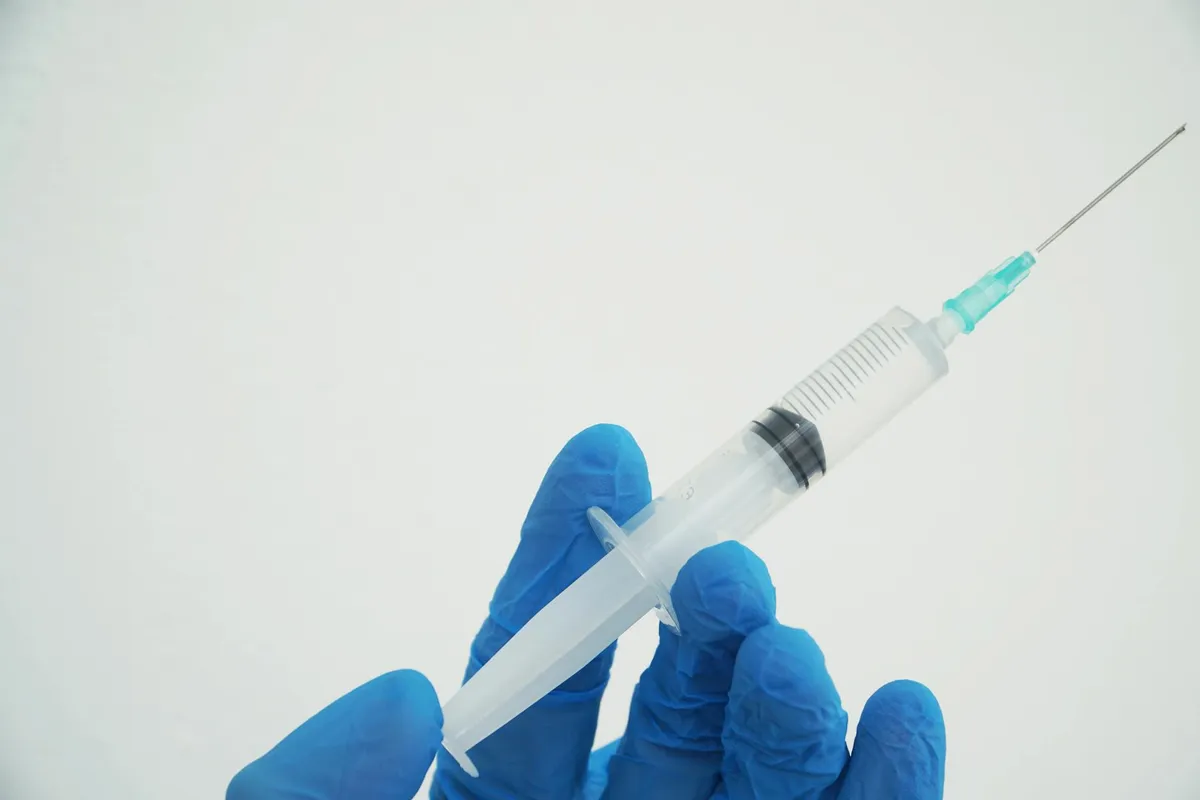
Using a fresh sterile needle, your provider administers the shot directly into the muscle. Most people feel only a brief pinch lasting one to two seconds, and the injection itself is complete in under a minute.
Right after the shot, your provider checks in on how you're feeling and applies light pressure or a small bandage to the site if needed. Mild warmth or slight achiness at the spot is completely normal.
Before you leave, your provider shares simple aftercare tips, like staying hydrated and avoiding intense pressure on the injection site for a few hours, and notes any sensations to watch for.
You'll wrap up by discussing a cadence that suits your goals, anywhere from weekly to monthly sessions, and can book your next appointment before heading out.
The Evidence
What the research says about IM shots — and where the evidence is strong, mixed, or still developing.
Strong for specific deficiencies; limited for general wellness use
IM injections have robust clinical backing for established medical uses such as vaccines and B12 for documented deficiency. Evidence for broader wellness applications — such as energy optimisation in non-deficient individuals — is considerably weaker and less consistent.
Vaccines, hormone therapies, and B12 injections for pernicious anemia are backed by rigorous clinical trials and regulatory review. These applications have clear, well-defined populations and measurable outcomes. The further a use moves from a documented deficiency or approved indication, the thinner the supporting evidence becomes.
Studies on B vitamins and micronutrients generally show benefit in people with confirmed deficiencies. Results in individuals without documented deficiency are inconsistent. Amino acid and multi-nutrient injection formulas popular in complementary settings have not been evaluated in large, well-controlled trials, making outcome claims difficult to verify.
When offered outside regulated medical contexts, IM shots occupy an alternative space where practitioner training, product quality, and sterile technique vary. The absence of standardised formulations means two clinics may offer very different products under the same name. Asking about practitioner qualifications and product sourcing is reasonable and important.
Local reactions — soreness, bruising, swelling — are common and usually mild. Serious risks include infection, nerve injury, and allergic reactions, all of which are minimised by sterile technique and qualified administration. People with bleeding disorders, blood thinners, active skin infections, or compromised immunity should consult their doctor before proceeding.
Active infection or cellulitis at the injection site, severe bleeding disorders, and known allergy to any injection component are absolute reasons to avoid IM shots without medical oversight. Pregnant or breastfeeding individuals should discuss all substances with their healthcare provider before receiving any injection outside a clinical setting.
IM injections should only be administered by a qualified and licensed practitioner. Ask about their credentials, the source and composition of substances used, and how adverse reactions are managed. If you are receiving IM shots alongside conventional medical care, inform both providers to avoid interactions or duplication.
Safety first
General guidance to help you decide whether this approach is appropriate for you. This is informational only and not a substitute for medical, psychological, or professional advice.
If you are pregnant, managing a health condition, recovering from injury or surgery, or taking medication, consult a qualified healthcare professional first.
Mild, short-lived effects such as tenderness, tiredness, or temporary soreness can occur. Rest, hydrate, and tell your practitioner how you respond.
Some situations call for extra care or a different approach. Share any conditions, injuries, or sensitivities with your practitioner before your first session.
Look for clear boundaries, transparent pricing, and practitioners who avoid fear-based claims or pressure to book frequent sessions.
For you?
A simple, human way to weigh it up. This is general guidance, not personal medical advice — a qualified practitioner can advise on your situation.
Gyfts is a discovery platform, not a medical provider. Nothing here diagnoses, treats or replaces professional care. In an emergency, contact your local emergency number.
Explore approaches
Other practices people often explore alongside intramuscular (im) shots.
In their words
FAQ
IM shot formulations vary widely depending on the health goal. Common components include B vitamins (B1, B2, B3, B5, B6, B12), amino acids (methionine, inositol, choline), micronutrients (zinc, selenium, magnesium), or pharmaceutical medications prescribed by a doctor. In complementary settings, most wellness-focused IM shots contain vitamins and amino acids. Always ask your practitioner for a detailed ingredient list and verify pharmaceutical quality.
Some people report feeling effects within hours (increased energy, improved mood), while others notice benefits over several injections or weeks of regular treatment. However, individual responses vary significantly. The injection method allows faster absorption than oral supplements, but the actual physiological benefit depends on whether you had a deficiency being corrected, your baseline health status, and the specific substance used. Many practitioners recommend a series of injections before evaluating effectiveness.
This depends entirely on your health goals and baseline status. Some people receive a single injection (such as a vaccine or allergy shot), while others follow protocols of weekly injections for 4-8 weeks, then monthly maintenance. If you're correcting a specific deficiency, your practitioner may recommend a defined series. Wellness-focused protocols vary widely. Discuss realistic timelines and expected duration with your practitioner before starting.
IM injections typically cause minimal discomfort—most people describe a brief pinch followed by pressure as the solution is administered. Pain levels vary based on needle gauge, injection speed, and individual pain sensitivity. The injection site may feel sore or tender for 24-48 hours afterward, similar to post-vaccination soreness. Techniques like slow injection, proper site selection, and muscle relaxation can minimize discomfort.
Local side effects are most common: soreness, bruising, or slight swelling at the injection site typically resolves within 48 hours. Systemic side effects are rare but may include mild nausea, headache, or fatigue, especially with initial injections. Serious side effects such as allergic reactions, infections, or nerve damage are uncommon when sterile technique is properly followed. Always report any concerning symptoms to your practitioner immediately.
Most IM shots can be combined with other medications, but some interactions are possible. Blood thinners may increase bruising risk. Certain medications might affect B vitamin metabolism or absorption. Always disclose all medications, supplements, and medical conditions to your practitioner before treatment. If you're seeing multiple healthcare providers, coordinate care to ensure all practitioners are aware of your complete treatment plan.
Intramuscular (IM) injections deliver substances directly into muscle tissue, providing relatively rapid absorption while being less invasive than intravenous (IV) injections. Intravenous injections bypass absorption entirely, delivering directly to the bloodstream—faster but requiring more expertise. Subcutaneous injections go into fatty tissue under the skin—slower absorption but easier to self-administer. IM injections balance effectiveness, absorption speed, and safety for most wellness applications.
This depends on what's being injected. Prescription medications and vaccines administered via IM injection require a licensed healthcare provider. Nutrient-based IM shots offered in complementary settings may be administered by trained practitioners with varying credentials. Verify your practitioner's training, credentials, and adherence to sterile protocols. Even in complementary settings, proper assessment of safety and appropriateness for your individual health status is essential.
References
Educational sources that inform this overview. Inclusion is for context and does not imply endorsement.
Full citations are maintained by the Gyfts editorial team and reviewed periodically.
Keep exploring
Browse practitioners, explore honest overviews, and take what you learn to a conversation — at your own pace.