What it is
Indigenous healing from Canada's Nations blending ceremony, plants, and spirit into one path.
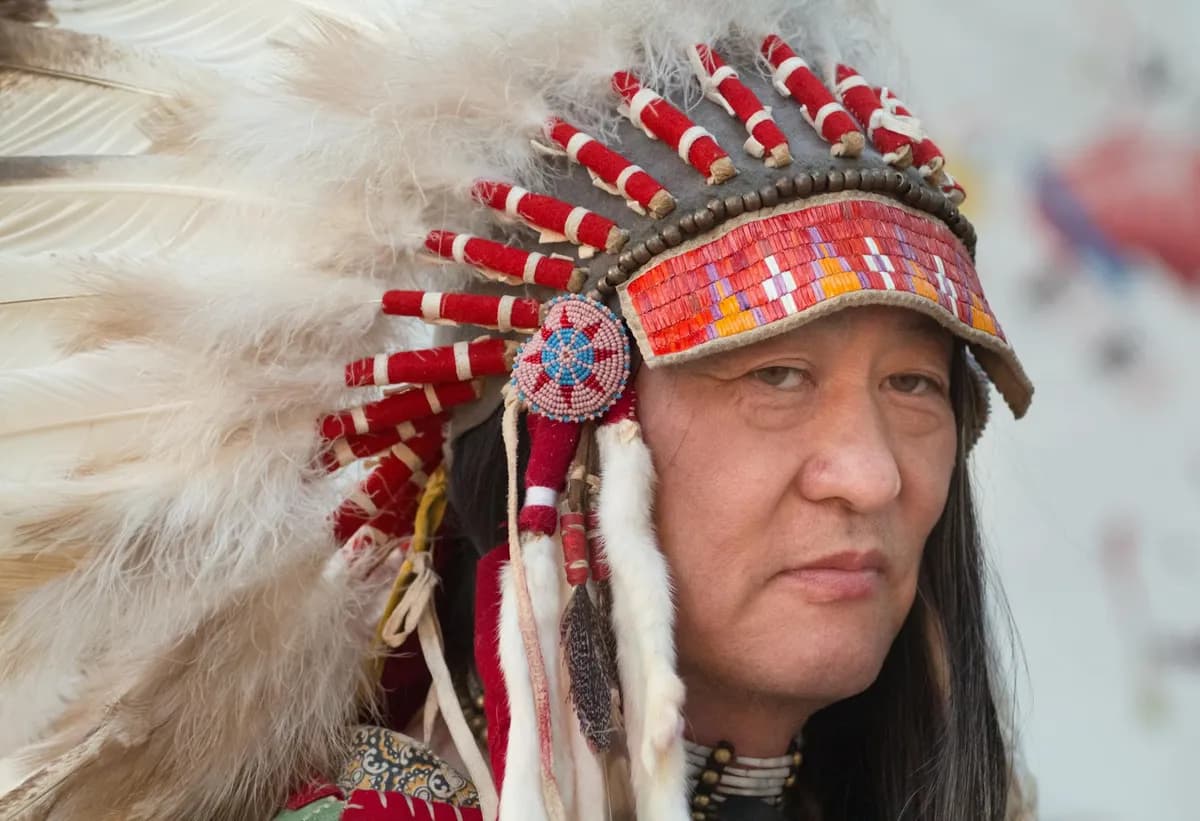
Native Canadian healing encompasses traditional practices, ceremonies, and medicines rooted in the diverse cultures of Indigenous peoples...
At a glance
What it is
Indigenous healing from Canada's Nations blending ceremony, plants, and spirit into one path.
Why explore it
May ease stress, grief, or addiction by restoring balance through ceremony and community.
How it’s experienced
Expect smudging, talking circles, elder guidance, or sweat lodge — shaped by the healer's Nation.
Evidence context
Rooted in thousands of years of tradition; formal Western research remains limited but growing.
See the evidence snapshotSafety
Low-risk with a trusted healer; disclose medications and flag heat sensitivity before sweat lodge.
See staying safeHistory & Origin
Native Canadian encompasses healing practices and traditions rooted in the cultures of Indigenous peoples in Canada.
Native Canadian healing traditions span thousands of years, developed by diverse Indigenous nations including First Nations, Métis, and Inuit peoples across the country. Each nation maintained distinct healing practices shaped by their environment, spiritual beliefs, and accumulated knowledge passed down through generations. These traditions include the use of medicinal plants, sweat lodge ceremonies, smudging with sacred plants, talking circles, and other rituals designed to restore balance to the body, mind, and spirit.
Before European contact, Indigenous healers—often called medicine people, shamans, or healers—held important roles within their communities, using their deep knowledge of local plants, animal medicines, and spiritual practices to treat illness and maintain community health. This knowledge was preserved through oral tradition and apprenticeship, with healers training for many years to master their craft and understand both the physical and spiritual dimensions of healing.
Following colonization and the suppression of Indigenous cultures through residential schools, forced relocations, and legal restrictions, many traditional healing practices were disrupted or lost. However, Indigenous communities have worked to revitalize and reclaim these practices in recent decades. Today, Native Canadian healing represents a revival and ongoing evolution of these traditions, with many practitioners combining ancestral knowledge with contemporary understanding, and communities working to restore these practices as part of cultural reclamation and health sovereignty.
Key figures in the modern revitalization of Native Canadian healing include Indigenous healers, elders, and knowledge keepers who have documented and shared traditional practices, as well as researchers and advocates who have worked to legitimize Indigenous knowledge systems and support their integration into contemporary healthcare. Organizations across Canada now support traditional healing practices and work to ensure Indigenous peoples have access to culturally appropriate health care that honors their heritage.
Mechanism
Native Canadian is a broader health tradition or knowledge system rather than a single technique. Practitioners may draw on cultural teachings, observation, lifestyle guidance, ritual, remedies, bodywork, or community practice. Its working model should be described in its own traditional context and not overstated as biomedical proof. People may explore it for cultural continuity, reflection, and supportive wellbeing practices. Indigenous Canadian healing integrates physical, emotional, spiritual, and community dimensions through ceremonies, plant-based medicines, and practitioner guidance tailored to specific nations' traditions.
Your first visit
A typical session outline to help you feel prepared
A Native Canadian healing session weaves together conversation, ceremony, and traditional practice to support your whole self — body, mind, and spirit.
You are greeted warmly, often with a moment of quiet or a brief prayer to set intention. Some healers may smudge the space before you enter, filling the room with the smoke of sage, cedar, or sweetgrass.
The healer invites you to share what has brought you to them — physical discomfort, emotional weight, or a sense of imbalance. This is a listening space, unhurried and non-judgmental, where your full story matters.
Rather than focusing on symptoms alone, the healer considers your spiritual, emotional, mental, and physical wellbeing together. They may ask about your relationships, your community, or your dreams t
You will likely be invited into a smudging ritual, where sacred smoke from herbs like sage or sweetgrass is gently wafted around your body. This is a spiritual cleansing practice meant to clear heavy
Depending on the healer's tradition and your needs, this may include drumming, chanting, storytelling, herbal remedies, energy work, or ceremony. You might sit, lie down, or participate actively — you
After the main practice, you are given time to rest quietly and absorb the experience. You may feel deeply relaxed, emotionally tender, or gently energized — all of these responses are natural and welcomed.
The healer closes the session, often with a prayer or a moment of gratitude. They will offer practical guidance for continuing your wellbeing at home, which may include herbal teas, rest, time in natu
The Evidence
What research and tradition tell us about Native Canadian healing practices, and where the evidence is strong, limited, or still emerging.
Thousands of years of practice; formal research remains limited
Native Canadian healing traditions carry deep accumulated knowledge across diverse Indigenous nations, but the Western scientific evidence base is sparse. Limited research does not diminish the cultural and community significance of these traditions — it reflects historical gaps in how these systems have been studied and valued.
Certain traditional medicinal plants used in Indigenous Canadian healing have been investigated for biochemical properties. Research on practices like smudging with sage has identified some antimicrobial activity. However, large-scale clinical trials are sparse, and the evidence base is early-stage for most practices.
Native Canadian healing spans First Nations, Métis, and Inuit peoples, each with distinct practices shaped by environment, language, and spiritual understanding. Knowledge has been preserved through oral tradition and apprenticeship. This is a living system, not a historical artifact, and its value extends beyond what Western methodology has yet measured.
Before and after European contact, Indigenous healers held central roles in community wellbeing, drawing on deep knowledge of local plants, animal medicines, and ceremony. Practices such as sweat lodges, talking circles, and smudging were designed to restore balance across physical, emotional, and spiritual dimensions of health.
Western scientific methodology has been applied unevenly to Indigenous knowledge systems. Many communities have not sought external validation of their practices, and some knowledge is intentionally protected. Absence of published evidence should not be interpreted as absence of cultural value or lived significance.
Native Canadian healing practices are not a replacement for professional assessment of serious or acute conditions. If you have a significant medical or mental health concern, consult a qualified healthcare provider first. In any emergency, contact emergency services immediately. Choose practitioners with genuine community standing and clear credentials.
Look for healers, elders, or knowledge keepers affiliated with band council health programs, Indigenous community health centres, or recognised healing registries where these exist. Note that some practitioners work publicly while others operate within ceremonially restricted contexts. Be cautious of anyone discouraging you from also working with conventional healthcare providers. Authentic practitioners typically welcome collaborative approaches.
Safety first
General guidance to help you decide whether this approach is appropriate for you. This is informational only and not a substitute for medical, psychological, or professional advice.
If you are pregnant, managing a health condition, recovering from injury or surgery, or taking medication, consult a qualified healthcare professional first.
Some situations call for extra care or a different approach. Share any conditions, injuries, or sensitivities with your practitioner before your first session.
Look for clear boundaries, transparent pricing, and practitioners who avoid fear-based claims or pressure to book frequent sessions.
Mild, short-lived effects such as tenderness, tiredness, or temporary soreness can occur. Rest, hydrate, and tell your practitioner how you respond.
For you?
A simple, human way to weigh it up. This is general guidance, not personal medical advice — a qualified practitioner can advise on your situation.
Gyfts is a discovery platform, not a medical provider. Nothing here diagnoses, treats or replaces professional care. In an emergency, contact your local emergency number.
Explore approaches
Other practices people often explore alongside native canadian.
In their words
Read next
FAQ
No. Canada is home to many distinct Indigenous nations—First Nations, Métis, and Inuit peoples—each with their own unique healing traditions, languages, and spiritual practices. A Mi'kmaq healer's approach differs from a Coast Salish healer's approach, which differs from an Inuit healer's. It's important to work with practitioners connected to specific nations and traditions, and to respect the cultural distinctiveness of these practices.
Yes, and many people do. However, you should inform both your doctor and your healer about all treatments you're receiving. Some herbal medicines may interact with pharmaceuticals, and certain conditions require medical monitoring. A good healer will support your use of conventional medicine when appropriate and work collaboratively with your healthcare team.
Sweat lodge ceremonies (inipi) are traditional purification rituals used by many First Nations. Participants sit in a small, heated structure while water is poured on heated rocks, creating intense steam. These ceremonies have both spiritual and physical purposes. They are generally safe when facilitated by experienced, knowledgeable leaders who screen participants for health conditions that might contraindicate heat exposure, such as uncontrolled hypertension, heart disease, or pregnancy. Always ask the facilitator about their experience and safety protocols.
Smudging involves burning sacred plant medicines—typically sage, sweetgrass, cedar, or tobacco—to cleanse, bless, or purify a person, space, or object. The smoke is believed to carry prayers and intentions. These plants are also used in healing ceremonies and preparations. It's important to note that these practices have specific cultural and spiritual significance and should be learned from and practiced respectfully, ideally under guidance from someone with cultural knowledge.
Healing timelines vary greatly depending on your condition, your commitment to the process, and the specific modality being used. Some people feel shifts after a single session; others require ongoing work over months or years. Your healer should provide realistic expectations and be willing to discuss progress and adjust the approach if needed. Healing is not always linear—you may experience periods of improvement and periods of consolidation.
Coverage varies. Some extended health insurance plans cover services from registered or certified practitioners, particularly if they hold credentials such as registration with provincial naturopathic associations (where applicable). However, many traditional healers do not carry formal credentials and may not be covered. Check your specific insurance policy and ask your healer about their credentials and whether they issue receipts for insurance claims.
Look for healers who are connected to their community, have been trained by respected elders or organizations, and are willing to be transparent about their background and approach. Ask for references, check if they're affiliated with Indigenous health organizations, and trust your intuition about whether you feel safe and respected. Be cautious of healers who work in isolation from their community or who make unrealistic promises.
This depends on the specific practice and the healer's perspective. Some healers welcome people of all backgrounds; others work only with Indigenous clients. Approach with respect and humility, understand that you are a guest to these traditions, and work only with practitioners who explicitly welcome your participation and can help you understand the cultural context.
References
Educational sources that inform this overview. Inclusion is for context and does not imply endorsement.
Full citations are maintained by the Gyfts editorial team and reviewed periodically.
Keep exploring
Browse practitioners, explore honest overviews, and take what you learn to a conversation — at your own pace.