What it is
Andean ceremonies honoring Mother Earth through offerings, prayer, and seasonal rituals.
Pachamama Rituals are spiritual and cultural practices rooted in Indigenous traditions that honor Mother Earth through ceremonies, ritual...
At a glance
What it is
Andean ceremonies honoring Mother Earth through offerings, prayer, and seasonal rituals.
Why explore it
Explore gratitude, nature connection, and alignment with Earth's rhythms through sacred ceremony.
How it’s experienced
Offerings and prayers led by Indigenous practitioners at natural sites or community gatherings.
Evidence context
No clinical research exists; authority comes from centuries of living Quechua and Aymara wisdom.
See the evidence snapshotSafety
Low-risk spiritually; choose knowledgeable practitioners and seek support if processing trauma.
See staying safeHistory & Origin
Pachamama Rituals encompass rituals and ceremonies that honor and connect with Mother Earth (Pachamama).
Pachamama Rituals originate from the Indigenous cultures of the Andean regions, particularly among Quechua, Aymara, and other South American peoples where 'Pachamama' literally translates to 'Mother Earth' or 'Mother World.' These practices date back centuries, predating European contact, and represent a sophisticated spiritual cosmology in which the Earth is understood as a living, conscious entity deserving of respect, gratitude, and reciprocal relationship. The rituals were developed as a means of maintaining balance between human communities and the natural world, acknowledging humanity's dependence on the Earth's resources and the sacred responsibility to care for the land.
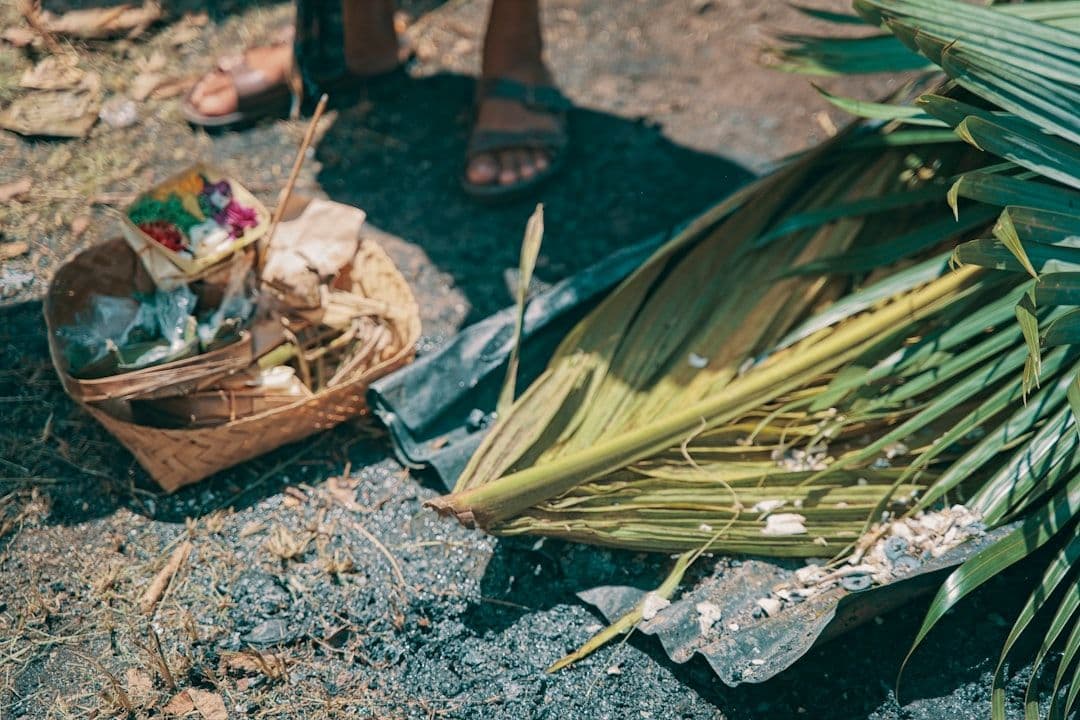
Traditional Pachamama Rituals typically involve offerings of coca leaves, alcohol (particularly chicha or singani), food, and other items placed into the earth or burned as a form of gratitude and petition. These ceremonies often occur during significant agricultural cycles, seasonal transitions, and life milestones. Key cultural bearers of these traditions include Andean communities who maintained these practices despite centuries of colonization and cultural suppression, preserving their spiritual knowledge through oral transmission and lived practice.
In recent decades, Pachamama Rituals have gained broader recognition beyond Indigenous communities as interest in Indigenous wisdom, environmental spirituality, and earth-based practices has grown globally. Contemporary practitioners, including both Indigenous people reclaiming their heritage and non-Indigenous individuals seeking deeper environmental connection, have adapted these rituals while attempting to honor their cultural origins. This expansion has created important conversations about cultural appropriation, authentic practice, and the responsibility of practitioners to approach these traditions with respect and proper knowledge.
Mechanism
Pachamama Rituals is a broader health tradition or knowledge system rather than a single technique. Practitioners may draw on cultural teachings, observation, lifestyle guidance, ritual, remedies, bodywork, or community practice. Its working model should be described in its own traditional context and not overstated as biomedical proof. People may explore it for cultural continuity, reflection, and supportive wellbeing practices. Pachamama Rituals involve ceremonial practices that create intentional space for reciprocal relationship with the Earth through structured offerings, invocations, and symbolic actions.
Your first visit
A typical session outline to help you feel prepared
A Pachamama ritual session weaves together earth-honoring ceremony, sacred offerings, and grounded intention-setting to help you reconnect with nature and yourself.
Your practitioner welcomes you warmly and invites you to remove your shoes and settle onto a cushion or mat close to the earth. A moment of quiet breathing helps you arrive fully in the space.
You and your practitioner have a gentle conversation about what brought you here — what you hope to release, honor, or invite into your life. This shapes the ceremony that follows.
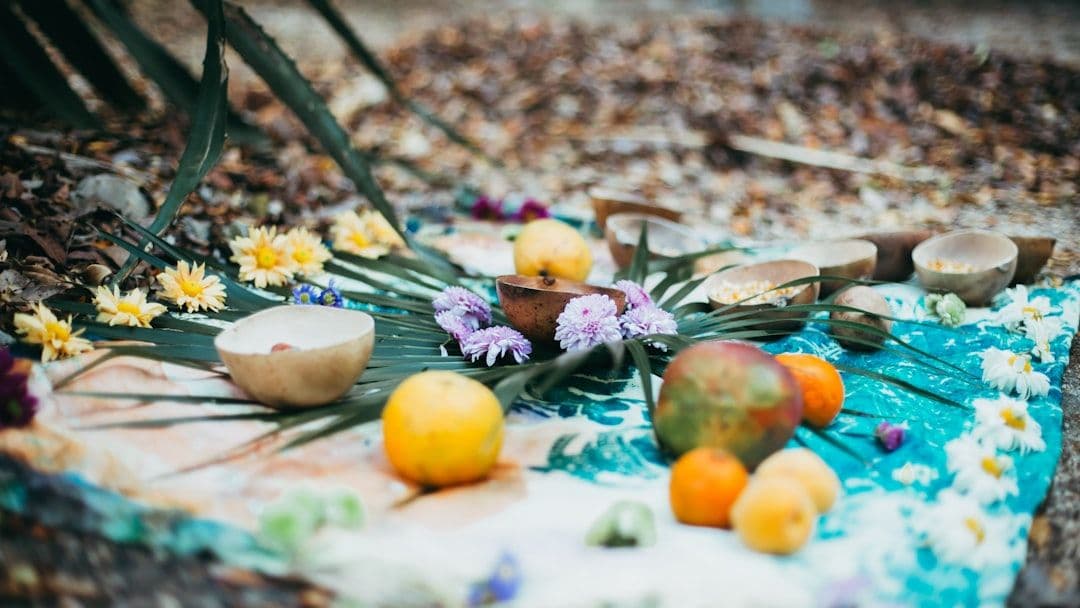
The practitioner prepares the ceremonial space, arranging a mesa or altar with earth elements like stones, flowers, seeds, and sacred herbs. You may be asked to place a personal object on the altar.
The ritual opens with spoken prayers or chants calling in the four directions and honoring Pachamama, the Earth Mother. You are invited to listen, repeat, or simply receive the invocation.
You participate in creating a despacho or earth offering, placing symbolic items — coca leaves, grains, flowers, sweets — with intention and gratitude. Each element carries meaning tied to your intentions.
With guidance, you speak or silently offer your prayers, gratitudes, and what you wish to release. The practitioner may use smoke, sound, or breath to support the energetic clearing process.
After the active ceremony, you rest quietly while the practitioner leads a short grounding practice, helping you integrate the experience and feel rooted in your body and the present moment.
Your practitioner closes the sacred space with gratitude and shares reflections or simple daily practices — like spending time in nature or making small earth offerings — to carry the ritual forward.
The Evidence
What research and tradition tell us about Pachamama Rituals and their role in wellbeing.
Rooted in centuries of Indigenous practice, limited formal study
Pachamama Rituals carry deep cultural and spiritual significance within Andean traditions. Western research on these ceremonies specifically is minimal, though broader evidence on nature connection, ritual, and culturally grounded practice offers relevant context.
Practiced by Quechua, Aymara, and related peoples, these ceremonies honour the Earth as a living presence deserving gratitude and care. Offerings such as despachos, coca leaves, and libations mark agricultural cycles, life transitions, and seasonal change. This is a living tradition, not a historical artefact, and continues to evolve within Indigenous communities today.
Studies on nature-based spirituality, environmental connection, and ceremonial practice suggest associations with reduced stress, improved mood, and greater sense of purpose. Research on Indigenous healing traditions has begun to validate the psychological and social value of culturally grounded practice. Evidence remains limited and largely indirect; inflated outcome claims should be viewed with caution.
Within the MACH framework, this practice sits in the Holistic category, recognising that human health is inseparable from community, environment, and meaning. Ritual ceremony can support psychological integration, a sense of belonging, and ecological awareness. These dimensions are not always captured by conventional health metrics but are increasingly recognised in wellbeing research.
Non-Indigenous practitioners should be transparent about their training and acknowledge the limits of their understanding. Commercialising or distorting these practices risks harm to the communities from which they originate. Where possible, learn from and financially support Indigenous knowledge holders. Respectful engagement strengthens rather than extracts from living traditions.
If you are experiencing severe anxiety, depression, psychosis, or suicidal ideation, please consult a qualified mental health professional. Those with trauma related to colonisation, cultural suppression, or environmental loss may benefit from working alongside a trauma-informed therapist. Ritual practice can be a meaningful complement to professional support, not a substitute for it.
Ask about a practitioner's training, lineage, and relationship to the communities whose traditions they share. Be cautious of practitioners making inflated outcome claims or offering these ceremonies purely as commercial experiences. Authentic practitioners typically emphasise reciprocity, community, and ongoing learning rather than positioning themselves as sole authorities.
Safety first
General guidance to help you decide whether this approach is appropriate for you. This is informational only and not a substitute for medical, psychological, or professional advice.
If you are pregnant, managing a health condition, recovering from injury or surgery, or taking medication, consult a qualified healthcare professional first.
Some situations call for extra care or a different approach. Share any conditions, injuries, or sensitivities with your practitioner before your first session.
Look for clear boundaries, transparent pricing, and practitioners who avoid fear-based claims or pressure to book frequent sessions.
Mild, short-lived effects such as tenderness, tiredness, or temporary soreness can occur. Rest, hydrate, and tell your practitioner how you respond.
For you?
A simple, human way to weigh it up. This is general guidance, not personal medical advice — a qualified practitioner can advise on your situation.
Gyfts is a discovery platform, not a medical provider. Nothing here diagnoses, treats or replaces professional care. In an emergency, contact your local emergency number.
Explore approaches
Other practices people often explore alongside pachamama rituals.
In their words
FAQ
Pachamama is a term from Quechua and other Andean Indigenous languages meaning 'Mother Earth' or 'Mother World.' In these worldviews, Pachamama is understood as a living, conscious entity—not metaphorically, but as an actual spiritual being with whom humans can communicate and maintain reciprocal relationships. She is both the physical Earth and a spiritual presence worthy of honor and gratitude.
There is no single answer, as different Indigenous communities and practitioners hold varying perspectives. Some welcome respectful participation from all people; others believe these practices should be reserved for community members. The most ethical approach is to seek out practitioners who can guide you appropriately and to approach with genuine respect rather than cultural tourism. If you are not Indigenous, prioritize learning from Indigenous teachers and supporting Indigenous-led practices.
Traditional offerings vary by region and intention but commonly include coca leaves (in Andean contexts), alcohol such as chicha or singani, grains, flowers, herbs, and food. Modern practitioners may also use items like cacao, coffee, seeds, or other natural materials. The offering itself is less important than the intention and gratitude behind it. Practitioners typically explain appropriate offerings for specific rituals.
Session length varies widely depending on the type of ritual. Simple personal rituals may take 20-30 minutes, while more elaborate ceremonies can extend 1-3 hours or longer. Group rituals and seasonal ceremonies may span an entire day or occur over multiple days. Your practitioner will provide timing details during consultation.
This depends entirely on your personal goals and spiritual practice. Some people participate in rituals once for a specific intention or life event. Others engage in ongoing seasonal ceremonies or monthly practices. Many practitioners recommend beginning with an initial ritual to establish connection, then determining frequency based on your experience and desires. There is no standard protocol.
Pachamama Rituals emerge from Indigenous spiritual traditions and cosmologies that predate European religions. While they are deeply spiritual, they are not typically aligned with any particular religion. People of various faith backgrounds participate in these practices, and many find them compatible with their existing religious beliefs, though some may not.
Pachamama Rituals are spiritual and symbolic practices, not magical systems designed to produce supernatural effects. Their value lies in deepening your spiritual connection, clarifying intentions, supporting psychological and emotional shifts, and fostering environmental consciousness. Some practitioners and participants understand them as ways of communicating with subtle energies or spiritual dimensions; others view them primarily as meaningful symbolic practices. Approach with realistic expectations.
Yes, many people develop personal home practices after learning from a practitioner. Simple offerings of gratitude to the Earth, meditation in nature, or acknowledging seasonal transitions can be done independently. However, if you are new to these practices, working with an experienced practitioner first helps ensure you understand the principles and approach respectfully. Some elaborate or community-focused ceremonies are best facilitated by trained practitioners.
You don't need to hold any particular beliefs to participate in or benefit from these rituals. Many people find value in the symbolic, psychological, and environmental aspects of the practice—the act of honoring nature, setting intentions, and creating meaningful ceremony—regardless of whether they conceptualize it in spiritual terms. That said, if ritual and ceremony hold no appeal for you, other practices may be better suited to your needs.
References
Educational sources that inform this overview. Inclusion is for context and does not imply endorsement.
Full citations are maintained by the Gyfts editorial team and reviewed periodically.
Keep exploring
Browse practitioners, explore honest overviews, and take what you learn to a conversation — at your own pace.