What it is
A Reiki lineage weaving energy work with teachings on inner wisdom and spiritual growth.
Reiki Jin-Kei Do is a spiritual energy healing system that combines traditional Reiki with an emphasis on spiritual growth, inner wisdom,...

At a glance
What it is
A Reiki lineage weaving energy work with teachings on inner wisdom and spiritual growth.
Why explore it
May ease stress and bring clarity, while deepening meditation and a sense of higher purpose.
How it’s experienced
A practitioner uses gentle touch or hovering hands; you may feel warmth, calm, or emotional shifts.
Evidence context
Rooted in tradition, not clinical trials; general Reiki research exists but findings remain preliminary.
See the evidence snapshotSafety
Non-invasive and low-risk; check with your healthcare provider if you have serious health concerns.
See staying safeHistory & Origin
Reiki Jin-Kei Do is a Reiki system that emphasizes spiritual growth, inner wisdom, and healing through Reiki energy.
Reiki Jin-Kei Do emerged as a modern evolution of traditional Reiki practice, integrating the foundational energy work of Reiki with a deeper focus on spiritual development and inner wisdom. While rooted in the original Reiki system developed by Mikao Usui in early 20th-century Japan, Jin-Kei Do represents a contemporary interpretation that emphasizes the practitioner's journey toward higher consciousness and self-realization alongside client healing.
The system developed as Reiki spread globally and practitioners sought to deepen the spiritual dimensions of the practice. Rather than focusing solely on physical healing or symptom relief, Reiki Jin-Kei Do integrates meditation, spiritual philosophy, and energy work to support holistic transformation. The name reflects this intention: practitioners work with Reiki energy to align with their "higher self" and inner wisdom.
Key to Reiki Jin-Kei Do's development was the recognition that healing extends beyond the physical body to include emotional, mental, and spiritual dimensions. Practitioners are trained not only to channel healing energy but to cultivate their own spiritual awareness and understanding, which then informs their work with clients. This approach has gained popularity among those seeking healing modalities that explicitly address spiritual growth alongside wellness.
Today, Reiki Jin-Kei Do is practiced globally by energy healers, wellness practitioners, and spiritual teachers who view it as a comprehensive path for both personal transformation and service to others. It remains part of the broader Reiki tradition while offering a distinct emphasis on wisdom, consciousness development, and alignment with one's authentic self.
Mechanism
Reiki Jin-Kei Do is best framed as a traditional, symbolic, energetic, reflective, or spiritual practice rather than a validated medical mechanism. Practitioners may use ritual, attention, sound, imagery, touch-free work, cards, symbols, prayer, or intention to support meaning-making and a sense of connection. People may explore it for reflection, calm, or spiritual context, while health claims should remain cautious and personal. Reiki Jin-Kei Do combines hands-on or distance energy transmission with meditation and spiritual practice to facilitate healing and self-awareness.
Your first visit
A typical session outline to help you feel prepared
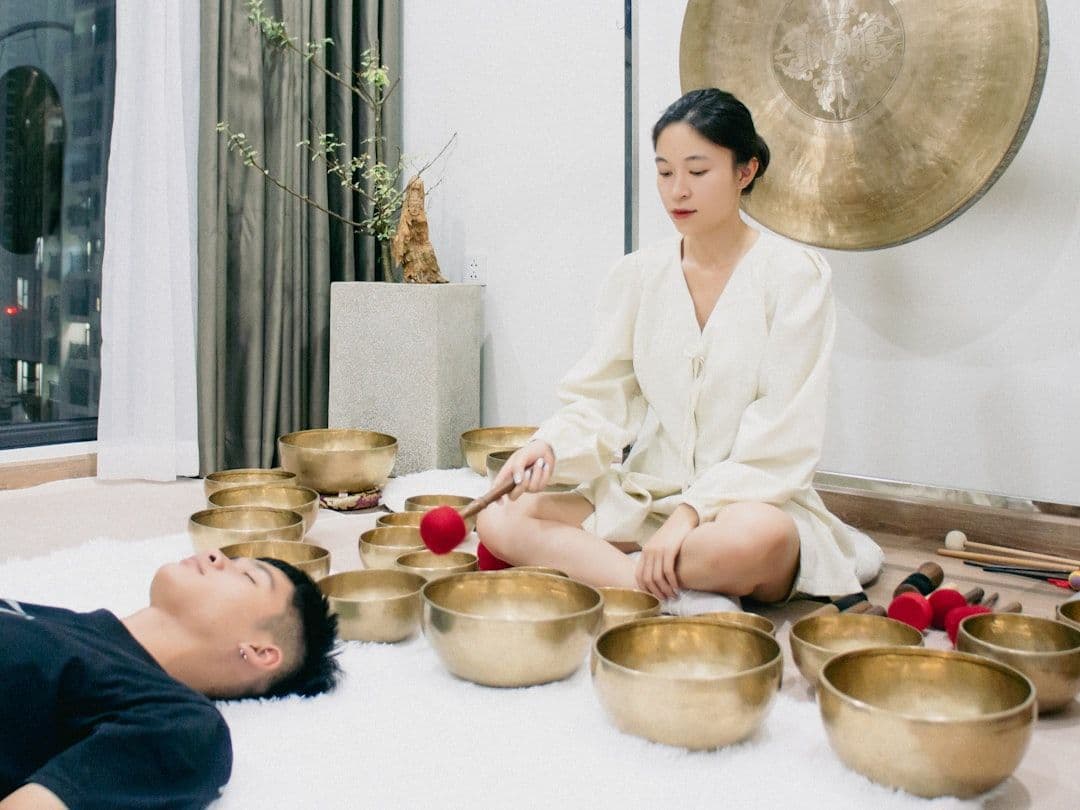
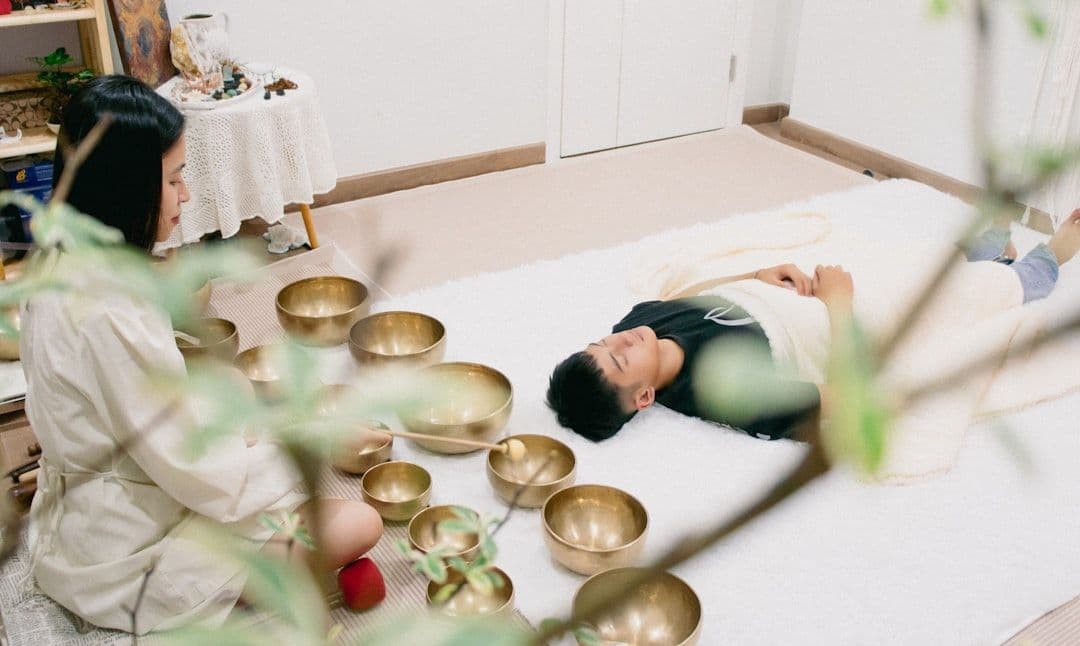
A Reiki Jin-Kei Do session blends gentle energy work with Buddhist-lineage wisdom, guiding you into deep relaxation through light touch and mindful intention.
Your practitioner begins with a calm intake chat, asking about your wellbeing, any emotional burdens, and what you're hoping to experience. This lineage values compassion as a foundation, so expect a
Together you'll identify a simple intention or area of focus for the session, whether physical ease, emotional clarity, or spiritual grounding. This is a distinctive step in Jin-Kei Do's compassion-centered approach.
You lie fully clothed on a comfortable treatment table, usually with soft lighting and gentle silence or quiet music. No undressing is needed, and you can keep your shoes on or remove them as you prefer.
Before touching you, your practitioner takes a few quiet moments to center themselves using Jin-Kei Do meditative practice, attuning to the compassionate source energy that defines this lineage.
The practitioner moves their hands slowly above your body to sense the flow and quality of your energy field, noticing areas that feel congested, depleted, or unsettled before any hands-on work begins.
Using a sequence of gentle hand positions on or just above your head, torso, and limbs, your practitioner channels energy with focused compassionate intent. You may feel warmth, tingling, heaviness, or waves of calm.
The practitioner gently draws the session to a close by smoothing the energy field and grounding you back into your body, often with a few slow deliberate strokes or a brief pause at your feet.
You're given a moment to lie quietly before slowly sitting up. Your practitioner will share observations, suggest drinking water, and offer simple guidance on integrating any shifts you noticed during the session.
The Evidence
What research and tradition tell us about Reiki Jin-Kei Do, and where the evidence is limited.
Rooted in tradition; limited scientific research
Reiki Jin-Kei Do is valued within spiritual and holistic communities for relaxation and personal growth, but scientific evidence for energy healing remains limited and inconclusive. Its spiritual dimensions sit outside conventional research frameworks.
Some studies on Reiki suggest modest benefits for stress reduction and relaxation, but results are inconsistent and difficult to separate from placebo or therapeutic attention effects. No robust clinical trials exist specifically for Reiki Jin-Kei Do. Claims beyond relaxation and wellbeing support are not substantiated by current evidence.
Within the MACH holistic framework, this practice is valued for supporting the whole person rather than targeting isolated symptoms. Practitioners and recipients often report benefits related to relaxation, emotional processing, and a sense of inner alignment. These outcomes are meaningful to many people even where formal evidence is limited.
Originating from the Reiki system developed in early 20th-century Japan, Reiki Jin-Kei Do represents a contemporary evolution that deepens the spiritual and meditative dimensions of practice. Its value within this tradition rests on personal experience, lineage, and philosophy rather than scientific validation, which is appropriate to its nature.
The concept of channelling universal life force energy does not have a recognised mechanism within biomedical science. Spiritual dimensions such as consciousness expansion and alignment with higher self are outside the scope of clinical research. People should hold realistic expectations and not rely on this practice as a substitute for professional assessment or medical care.
There are no absolute contraindications. Those with serious medical conditions, unstable mental health, or recent surgery should inform their practitioner and consult their doctor before beginning. This practice should complement, not replace, professional healthcare. Inflated outcome claims from any practitioner are a reason for caution.
Regulation of Reiki practitioners differs widely by country. Look for practitioners with recognised lineage training, clear professional boundaries, and transparency about what sessions involve. A good practitioner will not discourage you from seeking medical care and will work respectfully alongside your existing health support.
Safety first
General guidance to help you decide whether this approach is appropriate for you. This is informational only and not a substitute for medical, psychological, or professional advice.
If you are pregnant, managing a health condition, recovering from injury or surgery, or taking medication, consult a qualified healthcare professional first.
Some situations call for extra care or a different approach. Share any conditions, injuries, or sensitivities with your practitioner before your first session.
Look for clear boundaries, transparent pricing, and practitioners who avoid fear-based claims or pressure to book frequent sessions.
Mild, short-lived effects such as tenderness, tiredness, or temporary soreness can occur. Rest, hydrate, and tell your practitioner how you respond.
For you?
A simple, human way to weigh it up. This is general guidance, not personal medical advice — a qualified practitioner can advise on your situation.
Gyfts is a discovery platform, not a medical provider. Nothing here diagnoses, treats or replaces professional care. In an emergency, contact your local emergency number.
Explore approaches
Other practices people often explore alongside reiki jin-kei do.
In their words
FAQ
While traditional Reiki focuses on healing energy transmission, Reiki Jin-Kei Do explicitly emphasizes spiritual development, inner wisdom, and alignment with one's higher self. It integrates the energy work of Reiki with spiritual philosophy and consciousness work, making it suitable for those seeking holistic transformation alongside healing. Both are valid approaches; Jin-Kei Do simply offers a more spiritually-oriented framework.
Experiences vary widely. Some people feel warmth, tingling, or deep relaxation. Others experience emotional releases, insights, or a sense of peace and clarity. Some notice little physical sensation during the session but feel significant shifts afterward. All experiences are valid; there is no "correct" way to experience Reiki Jin-Kei Do. The energy works regardless of what you consciously perceive.
This depends on your goals and situation. Some people benefit from a single session for clarity or stress relief. Others pursue regular sessions—weekly or monthly—as part of an ongoing spiritual practice. Your practitioner can recommend a frequency based on your needs, but consistency often supports deeper results over time.
Reiki Jin-Kei Do is a complementary modality that may support overall wellbeing and stress reduction, which can positively influence health. However, it is not a substitute for medical diagnosis and treatment. If you have a health condition, work with qualified healthcare providers for appropriate care and discuss Reiki as a complementary practice alongside your medical treatment.
Many practitioners report that Reiki Jin-Kei Do works regardless of conscious belief, though openness and receptivity may enhance your experience. What matters most is your intention to support your own healing and growth. You need not adopt any particular spiritual belief; the modality can be approached from a purely energetic or wellness perspective.
Reiki Jin-Kei Do is generally safe and non-invasive for most people. However, those with serious medical or mental health conditions should consult their healthcare provider first. Some individuals may experience emotional intensity as energy shifts occur; ensure you have adequate support. Always work with trained, qualified practitioners.
Wear comfortable, loose clothing. Arrive a few minutes early to settle into the space. Share relevant information about your health, intentions, and concerns during the consultation. There are no special dietary or lifestyle requirements, though some practitioners suggest avoiding heavy meals immediately before your appointment. Most importantly, come with openness and a willingness to receive support.
References
Educational sources that inform this overview. Inclusion is for context and does not imply endorsement.
Full citations are maintained by the Gyfts editorial team and reviewed periodically.
Keep exploring
Browse practitioners, explore honest overviews, and take what you learn to a conversation — at your own pace.